







Come utilizzano i magneti gli altoparlanti? Considero i magneti il cuore di ogni altoparlante. Contribuiscono a trasformare i segnali elettrici nei suoni che ascolto ogni giorno. Tre componenti principali lavorano insieme: il magnete permanente, la bobina mobile (un elettromagnete) e il diaframma. Quando valuto le prestazioni di un altoparlante, la qualità del magnete è molto importante. Magneti più potenti aiutano gli altoparlanti a produrre un suono nitido e potente.
- I magneti potenti controllano il movimento e mi permettono di ottenere un suono preciso.
- Diversi tipi di magneti, come quelli al neodimio o in ferrite, influenzano il funzionamento degli altoparlanti.
- Un campo magnetico potente consente agli altoparlanti di gestire potenze elevate senza distorsioni. 🎵
Come utilizzano i magneti gli altoparlanti? (Passo dopo passo)
Come utilizzano i magneti gli altoparlanti per trasformare l'elettricità in suono? Considero questo processo un affascinante connubio tra fisica e ingegneria. Di seguito analizzo i vari passaggi, per spiegare come gli altoparlanti utilizzano i magneti per creare la musica e le voci che ascolto ogni giorno.
1. Il magnete permanente crea un campo costante
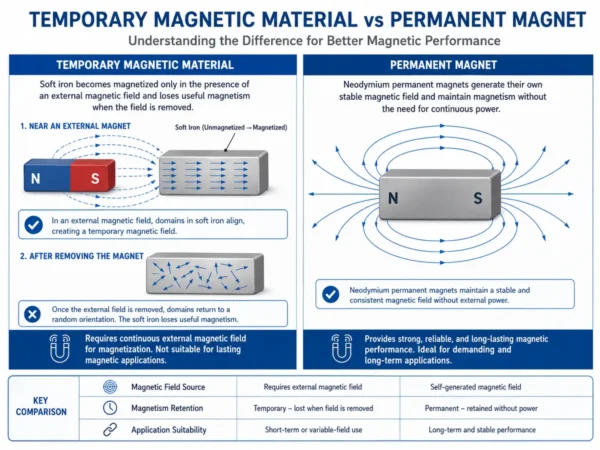
Quando guardo all'interno di un altoparlante, trovo sempre un magnete permanente. Questo magnete genera un campo magnetico stabile senza richiedere alimentazione. Il magnete rimane fissato al telaio dell'altoparlante, creando una zona costante in cui avviene tutto il processo. So che la forza e la qualità di questo campo magnetico sono molto importanti. I magneti al neodimio di alto grado, come quelli di Osenc, forniscono campi potenti e affidabili. Questo campo intenso è essenziale perché crea le condizioni per i passaggi successivi.
- I magneti permanenti generano un campo magnetico costante.
- Per il funzionamento del magnete non è necessaria alcuna alimentazione esterna.
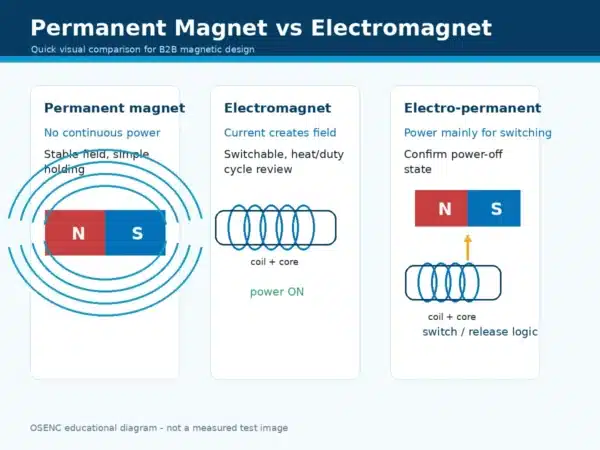
- Il magnete interagisce con l'elettromagnete (la bobina mobile) per produrre il suono.
2. La bobina mobile si trova nel campo (traferro)
Successivamente, considero la bobina mobile, costituita da un filo avvolto strettamente e fissato al cono dell'altoparlante. La bobina si trova proprio nel traferro del campo del magnete permanente. Questa posizione non è casuale. Gli ingegneri progettano il traferro in modo che la bobina possa muoversi liberamente, rimanendo però nella zona di maggiore intensità del campo magnetico. Quando collego l'altoparlante a una sorgente audio, la bobina è pronta a reagire.
- La bobina mobile si trova nel traferro del circuito magnetico.
- È collegata alla membrana o al cono.
- Quando è attraversata dalla corrente, la bobina può muoversi avanti e indietro.
3. Il segnale audio in CA attraversa la bobina
Quando riproduco musica, un segnale audio in corrente alternata (CA) attraversa la bobina mobile. La corrente cambia direzione molte volte al secondo, seguendo l’andamento delle onde sonore del segnale audio. Attraversando la bobina, genera un campo magnetico che interagisce con quello del magnete permanente. Questa interazione provoca il rapido movimento della bobina. Il movimento spinge e tira il cono, che vibra e mette in movimento l’aria generando onde sonore.
- I segnali audio in CA generano nella bobina un campo magnetico variabile.
- Il campo magnetico della bobina interagisce con il magnete permanente.
- La bobina e il cono vibrano insieme, producendo il suono.
🎧 Suggerimento: La qualità del magnete permanente e la precisione di posizionamento della bobina influiscono direttamente sul modo in cui gli altoparlanti utilizzano i magneti per generare un suono chiaro e potente.
Ho imparato che il modo in cui gli altoparlanti utilizzano i magneti non dipende soltanto dalla presenza di un magnete e di una bobina. Anche la progettazione, i materiali e l’ingegnerizzazione svolgono un ruolo importante. I magneti al neodimio di Osenc, ad esempio, offrono tolleranze ristrette e campi magnetici intensi, risultando ideali per altoparlanti ad alte prestazioni. Quando scelgo gli altoparlanti, verifico sempre il tipo di magnete, perché influisce sul modo in cui vengono utilizzati i magneti per produrre un suono nitido e privo di distorsioni.
Come utilizzano i magneti gli altoparlanti? Sfruttano il campo costante del magnete permanente, il posizionamento preciso della bobina mobile e il flusso dei segnali audio in CA per generare vibrazioni che si trasformano in suono. Questo processo avviene in ogni altoparlante, dai piccoli auricolari ai grandi impianti per concerti.
4. La bobina diventa un elettromagnete (la polarità si inverte)
In che modo la bobina diventa un elettromagnete e perché la sua polarità si inverte?
Considero la bobina mobile l’elemento chiave per trasformare l’elettricità in movimento. Quando invio un segnale audio attraverso la bobina, questa si comporta come un elettromagnete. La direzione della corrente elettrica cambia molte volte al secondo, seguendo la musica o la voce riprodotta. Questa variazione continua inverte ripetutamente la polarità della bobina.
- L’amplificatore invia corrente alternata (CA) alla bobina.
- Il campo magnetico della bobina cambia direzione insieme alla corrente.
- Ogni inversione determina se la bobina attrae o respinge il magnete permanente.
Se inverto i fili tra l’amplificatore e l’altoparlante, la polarità si inverte. Il cono dell’altoparlante si muove verso l’interno quando dovrebbe muoversi verso l’esterno e viceversa. Ciò può causare problemi audio, soprattutto se collego correttamente un altoparlante e l’altro in modo errato. Controllo sempre con attenzione i collegamenti per evitare questi problemi.
Nota: Le rapide inversioni di polarità nella bobina consentono all’altoparlante di seguire esattamente il segnale audio, producendo una riproduzione sonora accurata.
5. Attrazione e repulsione provocano la vibrazione
Che cosa fa vibrare l’altoparlante e produrre il suono?
Osservo l’interazione tra il campo magnetico della bobina e il magnete permanente. Quando la polarità della bobina coincide con quella del magnete, i due si attraggono. Quando le polarità sono opposte, si respingono. Questa forza alternata spinge e tira la bobina, collegata al diaframma.
- La corrente elettrica nella bobina genera un campo magnetico.
- La bobina e il magnete permanente si attraggono e si respingono.
- La bobina si muove rapidamente, facendo vibrare il diaframma.
Quando il diaframma vibra, comprime le particelle d’aria in una direzione e determina una rarefazione nell’altra. Questo movimento genera onde sonore che si propagano nell’aria. La continua variazione delle forze magnetiche mantiene in movimento la bobina e il diaframma, seguendo il ritmo del segnale audio.
🎶 Suggerimento: La forza del magnete e la precisione del movimento della bobina influiscono sulla nitidezza con cui percepisco musica e voci. I magneti al neodimio Osenc aiutano gli altoparlanti a generare vibrazioni intense e precise.
6. Il cono sposta l’aria → onde sonore
In che modo il movimento del cono genera onde sonore?
Considero il cono dell’altoparlante, detto anche membrana, l’elemento finale della trasformazione dell’elettricità in suono. La vibrazione della bobina fa muovere il cono avanti e indietro. Questo movimento spinge e richiama l’aria, generando onde sonore che raggiungono le mie orecchie.
- Il cono vibra per effetto dei segnali elettrici inviati alla bobina.
- Il cono vibrante sposta l’aria, producendo onde sonore.
- La forma e il materiale del cono influiscono sulla qualità e sulla diffusione del suono.
Noto che la progettazione del cono è importante. Un cono dalla forma adeguata favorisce una propagazione fluida e uniforme delle onde sonore. Per questo i produttori di altoparlanti, tra cui Osenc, prestano particolare attenzione ai materiali e alle forme dei coni nella progettazione di altoparlanti ad alte prestazioni.
📢 Curiosità: Il cono dell’altoparlante può muoversi migliaia di volte al secondo, generando l’intera gamma di suoni che percepisco nella musica e nel parlato.
Come funzionano gli altoparlanti: componenti principali
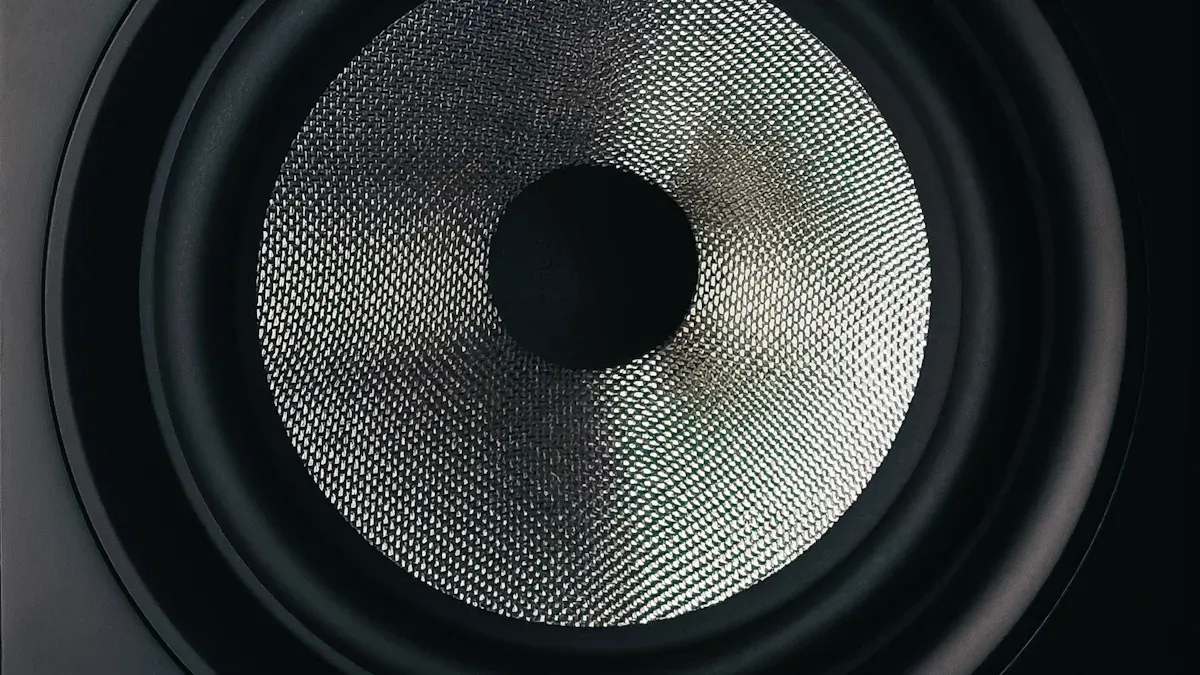
Quali sono i componenti principali di un altoparlante e come interagiscono per generare il suono?
Considero ogni altoparlante come un insieme di diversi componenti principali. Ogni parte svolge una funzione specifica nella trasformazione dei segnali elettrici nella musica e nelle voci che percepisco.
- Magnete permanente: genera un campo magnetico stabile.
- Bobina mobile (elettromagnete): si muove in risposta ai segnali elettrici.
- Diaframma (cono): Vibra, spostando l’aria e generando onde sonore.
- Sistema di amplificazione: Alimenta i trasduttori dell’altoparlante per ottenere un suono nitido.
- Cassa acustica: Modella il suono e controlla le vibrazioni.
- Batteria: Fornisce energia, soprattutto negli altoparlanti portatili.
Magnete permanente
Ruolo nel funzionamento dell’altoparlante
Il magnete permanente è sempre al centro del funzionamento degli altoparlanti. Genera un campo magnetico costante che interagisce con la bobina mobile. Quando la bobina riceve un segnale audio, si muove avanti e indietro all’interno di questo campo. L’intensità e la stabilità del campo generato dal magnete sono fondamentali per una riproduzione sonora accurata. Un magnete potente consente all’altoparlante di gestire potenze elevate e riprodurre un suono nitido e privo di distorsioni.
💡 Suggerimento: Il magnete permanente costituisce la base dell’intero processo di produzione del suono. Senza di esso, la bobina non può muoversi e non viene prodotto alcun suono.
Materiali utilizzati (neodimio, ferrite)
I magneti per altoparlanti sono realizzati con materiali diversi. Quelli più utilizzati sono la ferrite e il neodimio. Ecco un rapido confronto:
| Materiale | Descrizione | Impatto sulle prestazioni |
|---|---|---|
| Ferrite | A base di ossidi di ferro; richiede dimensioni maggiori per essere efficace | Conveniente, resistente alla corrosione, meno adatto a progettazioni compatte |
| Neodimio | Metallo delle terre rare, campo magnetico molto intenso, dimensioni compatte | Maggiore efficienza, consente di realizzare altoparlanti più piccoli, può arrugginire alle alte temperature |
| Alnico | Lega di alluminio, nichel e cobalto; usata principalmente negli altoparlanti per chitarra | Suono più caldo, costo elevato, meno diffusa negli altoparlanti moderni |
Scelgo i magneti al neodimio per altoparlanti per la loro forza e la loro efficienza. Osenc produce magneti al neodimio di alta qualità che consentono agli altoparlanti di generare un suono potente in dimensioni compatte. Li consiglio a chi cerca le massime prestazioni.
Bobina mobile (elettromagnete)
Come genera i campi magnetici
La bobina mobile si trova all'interno del campo magnetico generato dal magnete permanente. Quando riproduco musica, la bobina riceve una corrente alternata, che la trasforma in un elettromagnete. La polarità si inverte rapidamente, facendo muovere la bobina avanti e indietro. È questo movimento ad azionare la membrana.
- La progettazione della bobina influisce sulla gestione della potenza e sull'intensità sonora.
- Le bobine efficienti convertono l'energia elettrica in energia meccanica, migliorando la nitidezza del suono.
- Le bobine più leggere migliorano gli acuti, mentre quelle più pesanti accentuano i bassi.
- Una buona dissipazione del calore mantiene efficiente il funzionamento della bobina.
Posizionamento e progettazione
Ritengo che il posizionamento della bobina mobile sia fondamentale. Gli ingegneri la collocano nel traferro magnetico per ottenere la massima escursione. Un movimento lineare assicura una riproduzione sonora accurata. Se la bobina si muove in modo fluido, l'altoparlante produce un suono nitido con una distorsione minima.
🔧 Nota: Il design e la massa della bobina influenzano la risposta in frequenza. Scelgo altoparlanti con bobine ben progettate per ottenere una migliore qualità del suono.
Diaframma
Come vibra per creare il suono
Il diaframma, chiamato anche cono, è il componente che sento lavorare ogni volta che utilizzo un altoparlante. È collegato alla bobina mobile. Quando la bobina si muove, il diaframma vibra. Queste vibrazioni spingono e tirano l’aria, creando onde sonore.
Il materiale del diaframma è importante. I coni rigidi e leggeri rispondono rapidamente alle vibrazioni. Questo migliora la precisione e riduce la distorsione. Mi accorgo che la scelta del materiale influisce sul funzionamento degli altoparlanti e sulla qualità complessiva del suono.
🎶 Curiosità: Un diaframma ben progettato può muoversi migliaia di volte al secondo, producendo frequenze che vanno dai bassi profondi agli acuti brillanti.
Come vengono utilizzati i magneti negli altoparlanti: il processo
In che modo gli altoparlanti trasformano l’elettricità in suono utilizzando i magneti? Vedo questo processo come un percorso passo dopo passo, che inizia con la corrente elettrica e termina con la musica che ascolto ogni giorno. Ti illustrerò ciascuna fase.
Corrente elettrica e campo magnetico
Quando riproduco una canzone, il mio dispositivo invia una corrente elettrica attraverso la bobina mobile dell’altoparlante. Questa bobina, realizzata con un sottile filo di rame, si trova all’interno del campo magnetico creato dal magnete permanente. Quando la corrente scorre, la bobina diventa un elettromagnete. La direzione della corrente cambia rapidamente, invertendo avanti e indietro la polarità della bobina. Questo è il principio fondamentale dell’utilizzo dei magneti negli altoparlanti.
- L’amplificatore invia impulsi elettrici alla bobina mobile.
- La bobina genera un campo magnetico che cambia direzione in base al segnale audio.
- Questo campo interagisce con il campo del magnete permanente.
So che in questo caso la qualità del magnete è importante. I magneti al neodimio di precisione di Osenc forniscono un campo intenso e stabile, aiutando la bobina a rispondere rapidamente e con precisione a ogni variazione della musica.
🎵 Suggerimento: Più il campo magnetico è intenso e preciso, più il suono risulta chiaro e potente.
Interazione magnetica e vibrazione
Quando il campo magnetico della bobina interagisce con il magnete permanente, le forze spingono e tirano la bobina. Osservo che questo movimento alternato fa muovere rapidamente la bobina all’interno del traferro. La bobina è collegata alla membrana, quindi ogni suo movimento fa vibrare la membrana.
- Il campo magnetico variabile della bobina attrae e respinge il magnete permanente.
- Questo movimento fa vibrare la membrana.
- La vibrazione segue l’andamento del segnale audio originale.
Trovo affascinante che questo processo avvenga migliaia di volte al secondo. La precisione di queste vibrazioni dipende dalla qualità sia della bobina sia del magnete. I magneti al neodimio di Osenc contribuiscono a garantire che le vibrazioni rimangano fedeli al suono originale, anche a volumi elevati.
Movimento dell’aria e onde sonore
Quando la membrana vibra, spinge e tira l’aria davanti a sé. Questo movimento crea onde di pressione che si propagano nell’aria. Le mie orecchie percepiscono queste onde come suono.
- La membrana si muove a causa della bobina vibrante.
- L’aria viene spinta e richiamata, formando onde sonore.
- La forma e il materiale della membrana influenzano il modo in cui il suono si propaga.
Noto che ogni dettaglio è importante, dall’intensità del magnete alla progettazione della membrana. Magneti di alta qualità, like those from Osenc, help speakers produce sound that is both loud and clear.
📢 Curiosità: The diaphragm in a speaker can move back and forth more than 20,000 times per second, letting me hear everything from deep bass to sharp treble.
Magnet + voice coil interaction (why it moves)

Why does the voice coil move inside a speaker? I find the answer in the way magnets and electricity work together. When I send an audio signal through the voice coil, the coil becomes an electromagnet. This electromagnet sits inside the field of the permanent magnet. The interaction between these two magnetic fields creates the force that moves the coil—and the sound I hear.
Polarity change explanation (simple)
I see the movement start when the current flows through the coil. The direction of the current changes many times per second, following the music or voice. Each time the current switches direction, the polarity of the coil flips. This means the north and south poles of the electromagnet swap places. The permanent magnet stays the same, but the coil’s poles keep changing.
Here’s a simple table to show what happens:
| What Happens | Explanation |
|---|---|
| Interaction of magnetic fields | The current in the coil meets the permanent magnet’s field, creating force. |
| Reversal of force | When the current flips, the force direction reverses, moving the coil back. |
| Direction change of current | The coil’s poles switch, changing the magnetic push and pull. |
| Resulting motion | The coil moves back and forth, making sound waves. |
I watch as the coil gets pulled toward the magnet when the poles attract. When the current flips, the poles repel, and the coil moves the other way. This rapid back-and-forth motion causes vibrations as the current changes, which is how the speaker creates sound.
🎵 Suggerimento: The faster the current changes, the higher the pitch of the sound. Slow changes make deep bass, while fast changes make sharp treble.
Stronger field → more force / sensitivity
I have learned that the strength of the magnetic field matters a lot. A stronger field means the coil feels a bigger push or pull. This extra force lets the speaker move the diaphragm more powerfully, which makes the sound louder and clearer.
- Higher magnetic flux density increases the thrust on the diaphragm.
- More magnetic density means greater power and higher sound pressure (sensitivity).
- Stronger magnets help speakers produce louder sounds with the same amount of electricity.
- Better sensitivity means the speaker can turn small signals into big, clear sounds.
When I use speakers with high-quality neodymium magnets from Osenc, I notice the difference. These magnets create a strong, stable field. The voice coil responds quickly and accurately, so the sound stays true even at high volumes.
📈 Nota: Greater magnetic density not only boosts power but also improves efficiency. This means the speaker uses less energy to make more sound.
I always look for speakers with strong magnets and well-designed coils. This combination gives me crisp, powerful audio and makes sure every detail in the music comes through.
Types of Magnets in Speakers
What types of magnetsdo speakers use, and how do they compare?
I see three main types: neodymium, ferrite, and specialty magnets. Each type shapes how a speaker sounds and performs.
Magneti al neodimio
Benefits for Speaker Performance
I choose neodymium magnets when I want the best sound and efficiency. These magnets stand out for their strength and compact size. I often find them in high-end and portable speakers. Here are the main benefits:
- Compact and lightweight design 🧲
- Improved efficiency with less power use
- Enhanced sound quality and clarity
- Wide frequency response for rich audio
- Reduced distortion at high volumes
I rely on neodymium magnets to deliver precise control over diaphragm movement. This control lets speakers reproduce music with detail and accuracy. I see neodymium magnets as the key to modern, portable audio systems.
| Vantaggio | Descrizione |
|---|---|
| Compact and Lightweight Design | Neodymium magnets allow for smaller and lighter speaker systems, ideal for portable audio equipment. |
| Improved Efficiency | They require less power for the same sound output, leading to longer device life and reduced energy use. |
| Enhanced Sound Quality | Their strength provides precise control over diaphragm movement, resulting in better sound reproduction. |
| Wide Frequency Response | Capable of producing a broader frequency range, enhancing the fidelity of various audio elements. |
| Reduced Distortion | They exhibit lower distortion levels at high volumes, maintaining sound quality even at loud levels. |
Osenc’s Quality Standards
I trust Osenc for neodymium magnets because of their strict quality controls. Osenc manufactures magnets with tolerances as tight as +/- 0.005 mm. Their magnets meet ISO9001 and ISO16949 certifications. I know Osenc’s magnets help speakers achieve powerful sound in compact designs. Osenc’s engineering team supports custom solutions for unique audio needs.
Ferrite Magnets
Common Uses and Limitations
I see ferrite magnets in many budget and mid-range speakers. They work well in home theater systems, car speakers, and portable models. Ferrite magnets offer good durability and heat resistance. Here is how I use them:
- Home theater systems 🎬
- Car speakers 🚗
- Portable speakers
Ferrite magnets cost less and resist corrosion. However, they are less powerful than neodymium magnets. I notice that ferrite magnets result in bulkier speaker designs. They do not perform as well in high-performance or compact audio systems.
- Less powerful than neodymium magnets
- Bulkier designs
- Less efficient in high-performance applications
Specialty Magnets
Applications in Custom Speaker Designs
I use specialty magnets like neodymium and Samarium Cobalt for custom audio solutions. These magnets enhance performance in unique environments. Neodymium magnets provide a high strength-to-weight ratio, which lets me design compact speakers with strong output. Samarium Cobalt magnets work well in high-temperature settings and sensitive equipment. I customize these magnets to meet specific audio needs.
- Specialty magnets boost audio performance in custom designs
- Neodymium magnets enable compact, powerful speakers
- Samarium Cobalt magnets resist demagnetization and heat
- Customization allows tailored solutions for special applications
Magnet Comparison Table
I compare neodymium and ferrite magnets using this table:
| Caratteristica | Magneti al neodimio | Ferrite Magnets |
|---|---|---|
| Intensità | Stronger, ideal for high-frequency audio | Bulkier, suitable for stationary systems |
| Dimensioni | Compact and lightweight | Larger and heavier |
| Sound Quality | Superior, especially in high frequencies | Good, but less detailed |
| Costo | More expensive due to material rarity | More affordable |
| Heat Resistance | Moderato | Excellent |
| Durabilità | Good, but can be sensitive to heat | Very durable, suitable for high-power |
💡 Suggerimento: I always check the magnet type before choosing a speaker. Neodymium magnets from Osenc give me the best balance of size, power, and sound quality.
Quick comparison table (fast selection)
What is the fastest way to choose the right magnet for a speaker?
I always start with a quick comparison. I look at the magnet type, its size and strength, the cost, and where I usually find it in speakers. This method helps me make smart choices, especially when I want the best sound for my needs.
Type | Size/strength | Cost | Typical speakers
| Tipo di magnete | Size/Strength | Costo | Typical Speakers |
|---|---|---|---|
| Ceramic (Ferrite) | Moderate/Moderate | Bassa | Home audio, car speakers |
| Neodymium-Iron-Boron | Small/High | Reasonable | High-end, portable, pro audio |
| Alnico | Large/Moderate | Alta | Vintage, guitar amps |
| Samario-cobalto | Small/High | Molto alto | Custom, aerospace, specialty |
💡 Suggerimento: I use this table to match the magnet to the speaker’s purpose. For example, I pick neodymium for portable Bluetooth speakers because it is small and strong.
I notice that ceramic magnets, also called ferrite, are common in everyday speakers. They offer a good balance of size and cost. I see them in many home and car audio systems. Their moderate strength works well for most music and voice playback.
Neodymium magnets stand out for their power. I use them when I want a compact speaker with high output. These magnets let me design smaller speakers without losing sound quality. I find them in earbuds, portable speakers, and professional audio gear. Osenc’s neodymium magnets give me the precision and reliability I need for these applications.
Alnico magnets have a classic feel. I see them in vintage speakers and guitar amplifiers. They are larger and cost more, but they give a warm sound that many musicians love. I choose Alnico when I want that special tone.
Samarium Cobalt magnets are rare in everyday speakers. I use them for custom or high-tech designs. They resist heat and demagnetization, so I pick them for aerospace or specialty audio projects. Their cost is high, but their performance in extreme conditions is unmatched.
Here is how I decide quickly:
- I choose ceramic for budget and general use.
- I pick neodymium for high performance and small size.
- I select Alnico for vintage sound.
- I use Samarium Cobalt for custom, high-temperature needs.
🎧 Consiglio pratico: I always check the magnet’s size and strength before buying a speaker. Stronger magnets mean better sound and higher efficiency.
When I want the best mix of size, power, and value, I trust Osenc’s neodymium magnets. They help me build speakers that sound great and last long.
Magnet Choice and Speaker Performance
Sensitivity/efficiency
How does magnet choice affect speaker sensitivity and efficiency?
I always look at the magnet when I want to know how well a speaker will perform. The strength and type of magnet make a big difference in how sensitive and efficient the speaker is.
- NdFeB magnets give the strongest magnetic fields. I use them in compact audio devices to boost sensitivity and frequency response.
- Ferrite magnets are weaker but cost less. I choose them for larger speakers that need better heat resistance.
- Strong magnets help control moving parts. This leads to more accurate sound and less distortion.
When I test speakers, I notice that the magnetic flux density matters most. A higher flux density means the speaker can turn electrical signals into sound more effectively. I get louder sound with the same power input. The magnet’s strength also improves transient response, which helps the speaker reproduce fast musical notes clearly.
Here is a simple table showing how magnet strength affects sensitivity:
| Tipo di magnete | Sensitivity Level | Efficiency | Applicazione ideale |
|---|---|---|---|
| NdFeB | Alta | Alta | Portable, high-end |
| Ferrite | Moderato | Moderato | Home, car, large |
💡 Suggerimento: I always pick strong magnets for speakers that need high sensitivity and efficiency.
Sound Quality Impact
How does magnet type influence sound quality?
I find that the magnet’s strength and stability shape the sound I hear. Stronger magnets give me better control over the diaphragm. This means the speaker can reproduce music and voices with more detail.
- Strong magnets reduce distortion, especially at high volumes.
- Better control leads to clearer highs and deeper bass.
- The magnet’s material affects how well the speaker handles fast changes in sound.
When I use speakers with magneti al neodimio, I hear crisp treble and solid bass. The sound quality stays clear even when I turn up the power and volume of the speakers. I trust Osenc’s engineering team to help me choose the right magnet for custom audio projects. Their support ensures that every speaker meets my performance needs.
🎶 Nota: The right magnet helps the speaker deliver every detail in the music.
Efficiency and Size
How do magnet efficiency and size relate in speaker design?
I see that magnet size and efficiency go hand in hand. Larger magnets create stronger fields, which make speakers more efficient at turning electrical power into sound. This means I get louder sound without using more energy.
- Larger magnets improve power handling. My speakers can play louder without damage.
- Smaller magnets may cause distortion if they cannot provide a uniform field, especially at high volumes.
- Efficient magnets need less current to produce the same force.
When I design compact speakers, I use neodymium magnets. They let me keep the speaker small but powerful. For bigger systems, I choose ferrite magnets for their durability and heat resistance. Osenc offers custom magnet solutions, so I can match the magnet size and efficiency to any speaker design.
Ecco un rapido confronto:
| Dimensioni del magnete | Efficiency | Typical Application |
|---|---|---|
| Large | Alta | Home theater, car audio |
| Small | Moderato | Portable, wireless devices |
🧲 Curiosità: Efficient magnets help me build speakers that sound great and last longer.
Durability and Cost
What are the key durability and cost factors when choosing magnets for speakers?
I always consider durability and cost before selecting a magnet for any speaker project. These two factors shape the long-term performance and affordability of the final product.
Durability matters most in tough environments.
- I look for magnets that resist high temperatures if I build speakers for outdoor or automotive use.
- I choose magnets with strong corrosion resistance for marine audio or humid climates.
- I check the magnet’s ability to withstand vibration and mechanical stress, especially in portable speakers.
Cost influences my choice for mass production and custom designs.
- Ferrite magnets offer a budget-friendly option. I use them for large-scale manufacturing because they are affordable and easy to source.
- Neodymium magnets deliver top performance. I select them for premium speakers, even though they cost more.
- Specialty magnets, like Samarium Cobalt, suit custom or high-temperature applications. Their price is higher, but their durability justifies the investment in demanding environments.
💡 Suggerimento: I always balance durability and cost based on where the speaker will be used and the performance I expect.
Here is a table that helps me compare the main considerations:
| Consideration | Details |
|---|---|
| Environmental Durability | Temperature resistance is crucial for outdoor or hot environments. |
| Corrosion resistance is important for marine audio or humid conditions. | |
| Cost and Availability | Ferrite magnets are affordable and widely available for mass production. |
| Neodymium magnets provide superior performance but are more expensive. |
Industry experience shapes my decisions.
I have seen ferrite magnets last for years in home and car speakers. Their durability stands up to daily use. Neodymium magnets, on the other hand, excel in compact and high-performance designs. I use them when I need strong magnetic fields in small spaces. Osenc’s neodymium magnets meet strict ISO9001 and ISO16949 standards, which gives me confidence in their reliability for demanding audio projects.
I always weigh the trade-offs.
- Ferrite magnets: Lower cost, good durability, larger size.
- Neodymium magnets: Higher cost, excellent performance, compact size.
- Specialty magnets: Highest cost, best for extreme conditions.
🧲 Nota: I recommend choosing the magnet type that matches the speaker’s environment and expected lifespan. Strong, durable magnets help speakers sound great for years.
In sintesi:
I focus on durability for speakers in harsh conditions and cost for large production runs. I trust Osenc for reliable neodymium magnets when I need both performance and longevity. My experience tells me that the right magnet choice ensures speakers deliver clear sound and last longer, no matter where they are used.
Trends in Speaker Magnet Technology
What are the latest trends in speaker magnet technology?
I see three major innovations shaping the future of audio: miniaturization, eco-friendly materials, and custom engineering solutions. These trends help audio devices deliver better sound, last longer, and reduce environmental impact.
Miniaturization
I notice that audio devices keep getting smaller and lighter. Manufacturers now use compact neodymium magnets to shrink speaker size without losing sound quality. I find this trend especially important for portable audio products like earbuds, wireless speakers, and smart devices. Smaller magnets allow engineers to design audio systems that fit in tight spaces while still producing powerful sound.
- Compact magnets make audio devices lighter and easier to carry.
- Miniaturization supports slim designs for modern audio equipment.
- Smaller speakers can deliver high-quality audio in portable formats.
I often recommend Osenc’s neodymium magnets for miniaturized audio solutions. Their precision manufacturing ensures that even tiny magnets meet strict quality standards, which is vital for clear audio in compact devices.
Eco-Friendly Materials
I see a growing demand for sustainable audio technology. Loudspeakers offer a major opportunity for rare earth magnet recycling, accounting for about 20% of their usage worldwide. I learned that recycled neodymium magnets have a much lower environmental impact than new ones, especially in areas like global warming and human health. The REAP project highlights how hydrogen recycling technology can recover and repurpose neodymium iron boron alloys from discarded audio electronics.
- Recycled magnets reduce the environmental footprint of audio products.
- Hydrogen recycling helps reclaim valuable materials from old audio devices.
- Eco-friendly magnets support responsible audio manufacturing.
I believe that using recycled materials in audio speakers benefits both the environment and the audio industry. Osenc supports eco-friendly practices by offering magnets that meet high environmental standards, helping audio manufacturers create greener products.
Custom Engineering Solutions
I see custom engineering as a key driver for advanced audio applications. Engineers now use different types of magnets, such as ferrite and neodymium, to match specific audio needs. Ferrite magnets offer a cost-effective solution for many audio systems, while neodymium magnets provide compact size and strong output. Precision in manufacturing is crucial because speaker magnets must be dimensionally accurate for proper assembly and high-quality audio.
- Engineers select magnet types based on audio system requirements.
- Precision manufacturing ensures consistent audio performance.
- Custom solutions allow for unique audio designs and applications.
I work with Osenc’s engineering team to develop custom magnet assemblies for specialized audio projects. Their technical support and commitment to quality help me achieve the best results in every audio application.
🎧 Suggerimento: I always look for audio speakers that use advanced magnet technology. These innovations improve sound quality, efficiency, and sustainability.
| Trend | Benefit for Audio Devices | Example Application |
|---|---|---|
| Miniaturization | Smaller, lighter audio products | Wireless earbuds |
| Eco-Friendly Materials | Lower environmental impact | Recycled speaker magnets |
| Custom Engineering | Tailored audio solutions | High-end audio systems |
I believe that these trends will continue to shape the future of audio. By choosing speakers with advanced magnet technology, I enjoy better sound and help protect the environment.
How To Choose The Speaker Magnets
- Budget: Choose ferrite for lowest cost; choose neodymium if you can pay more for compact size and higher motor strength.
- Size & weight: For portable speakers and headphones, neodymium keeps drivers light and small; ferrite is heavier and bulkier.
- Power/efficiency: If you need higher SPL from a small driver, neodymium helps; ferrite can work but usually needs more volume.
- Heat tolerance: For long high-power use, check temperature grade (NxxH/NxxSH) and thermal design, not just magnet type.
- Environment: In humid or salty areas, neodymium needs good coating and sealing; ferrite is more tolerant but still needs protection.
- Supply & consistency: Ask for stable specs, pull/flux test method, and batch control; premium neodymium grades usually deliver tighter performance.
Conclusione
Magnets power every speaker I use. I see neodymium magnets as the top choice for clear, strong sound. When I select speakers, I always check magnet quality. Here’s why:
- Strong magnets boost sound clarity and efficiency.
- Magnet type shapes speaker size and performance.
- Osenc neodymium magnets meet strict industry standards.
🎧 I rely on magnets to turn electrical signals into music and voices. Next time I shop for speakers, I focus on magnet quality for the best audio experience.
FAQ
How do magnets make speakers work?
Magnets create movement that produces sound.
I see the permanent magnet and voice coil interact. The coil moves when electricity flows, pushing the diaphragm to make sound waves.
What type of magnet is best for speakers?
Neodymium magnets offer top performance.
I choose neodymium for strong magnetic fields and compact size. Ferrite works well for budget speakers.
| Tipo di magnete | Intensità | Dimensioni | Use Case |
|---|---|---|---|
| Neodimio | Alta | Small | Premium, portable |
| Ferrite | Medio | Larger | Home, car audio |
Why does magnet strength matter in speakers?
Stronger magnets improve sound clarity and efficiency.
I notice that higher magnetic flux density (measured in Tesla) lets speakers produce louder, clearer audio with less power.
- More force on the diaphragm
- Better sensitivity
- Lower distortion
Can I replace a speaker magnet?
Yes, but I must match size and strength.
I always check the magnet’s dimensions and material. Using Osenc neodymium magnets ensures reliable performance and precise fit for custom repairs.
Do all speakers use the same magnets?
No, speakers use different magnets based on design.
I find neodymium in earbuds and pro audio. Ferrite appears in larger home systems. Specialty magnets suit custom or high-temperature speakers.
🎧 I select the magnet type for each application.
How long do speaker magnets last?
Speaker magnets can last decades.
I see ferrite magnets working for 20+ years. Neodymium magnets from Osenc maintain strength and reliability for many years with proper care.
What affects speaker magnet durability?
Heat, moisture, and vibration impact durability.
I protect magnets from extreme temperatures and corrosion.
- Ferrite resists heat
- Neodymium needs coating
- Osenc magnets meet ISO standards for durability
Are recycled magnets used in speakers?
Yes, recycled magnets help reduce environmental impact.
I support using recycled neodymium magnets in audio devices. This practice lowers waste and supports eco-friendly manufacturing.
🌱 Eco-friendly audio is the future.