







Magneti al neodimio per altoparlanti
Loudspeaker magnet selection should start with the magnetic circuit and assembly structure, not only the magnet grade. Osenc helps B2B buyers review custom neodymium magnet requirements before sampling.
For loudspeaker, audio driver, and OEM speaker projects, the magnet shape, dimensions, magnetization direction, coating, working temperature, magnetic gap, and assembly method should be reviewed together.
Send your drawing, sample photo, current specification, or application details to discuss a practical custom magnet supply path.
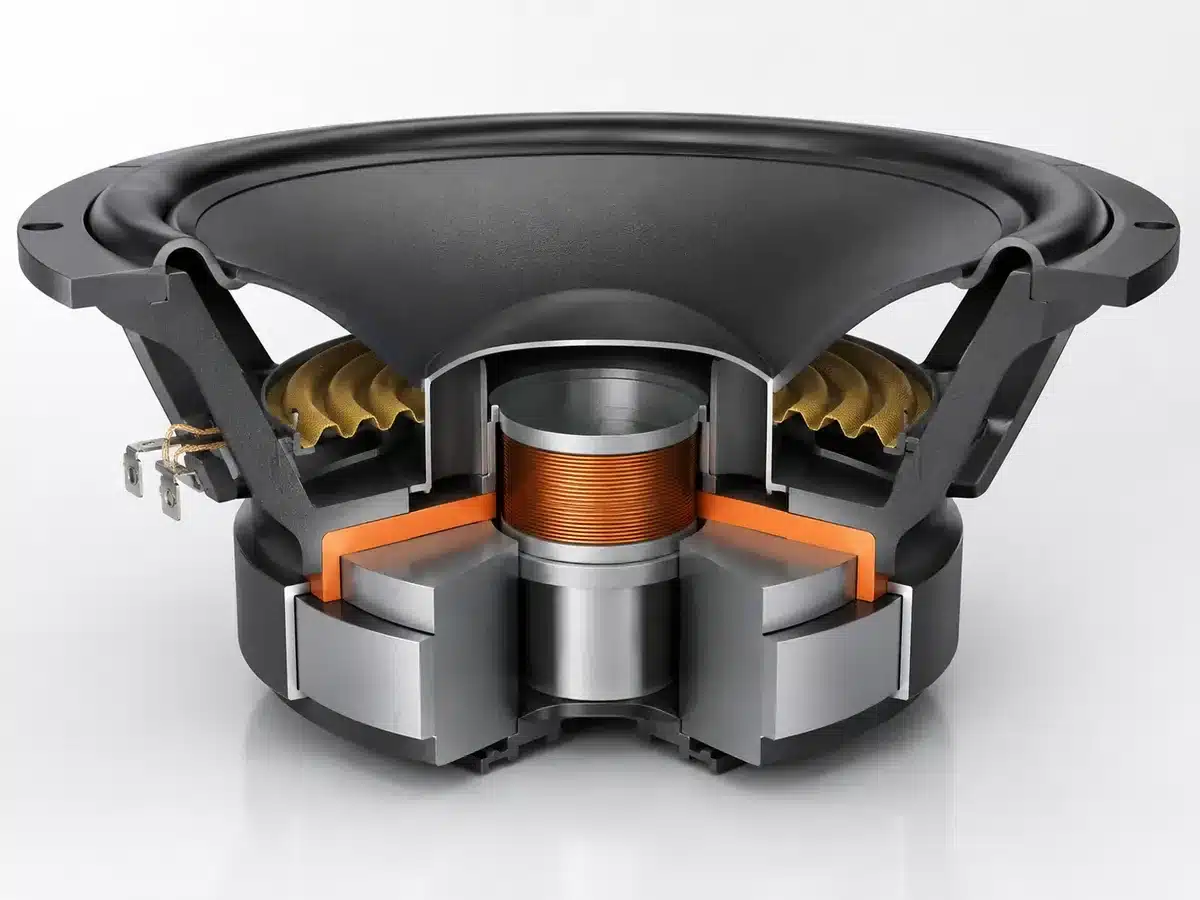
Start With the Speaker Magnetic Circuit, Not the Grade Name
A common mistake is to start with the strongest available neodymium grade. For loudspeaker magnet projects, that is not always the right approach.
The better starting point is the actual loudspeaker motor structure. Confirm the available space, magnet shape, magnetic gap around the voice coil, magnetization direction, coating, critical dimensions, and assembly method before sampling.
Un grado magnetico più elevato può offrire un potenziale magnetico maggiore, ma non è automaticamente migliore. La scelta finale dipende dalle dimensioni, dalla progettazione del circuito magnetico, dal traferro di lavoro, dalle condizioni di temperatura, dal rivestimento, dall’obiettivo di costo e dal metodo produttivo.
For a basic explanation of how speakers use magnets, you can read Osenc’s informational page: How Do Speakers Use Magnets?
Why Magnet Selection Matters in Loudspeaker Designs
In a moving-coil loudspeaker, the magnet is part of the magnetic system that works with the voice coil and surrounding metal structure. The magnet does not work alone.
Its result depends on the speaker motor structure, magnetic gap, steel parts, magnetization direction, and assembly condition. Two magnets with the same grade may not give the same result in different loudspeaker designs.
For B2B loudspeaker projects, the goal is not simply to buy a stronger magnet. The goal is to select a magnet that fits the available structure, supports the intended magnetic circuit, and can be produced and assembled with clear requirements.
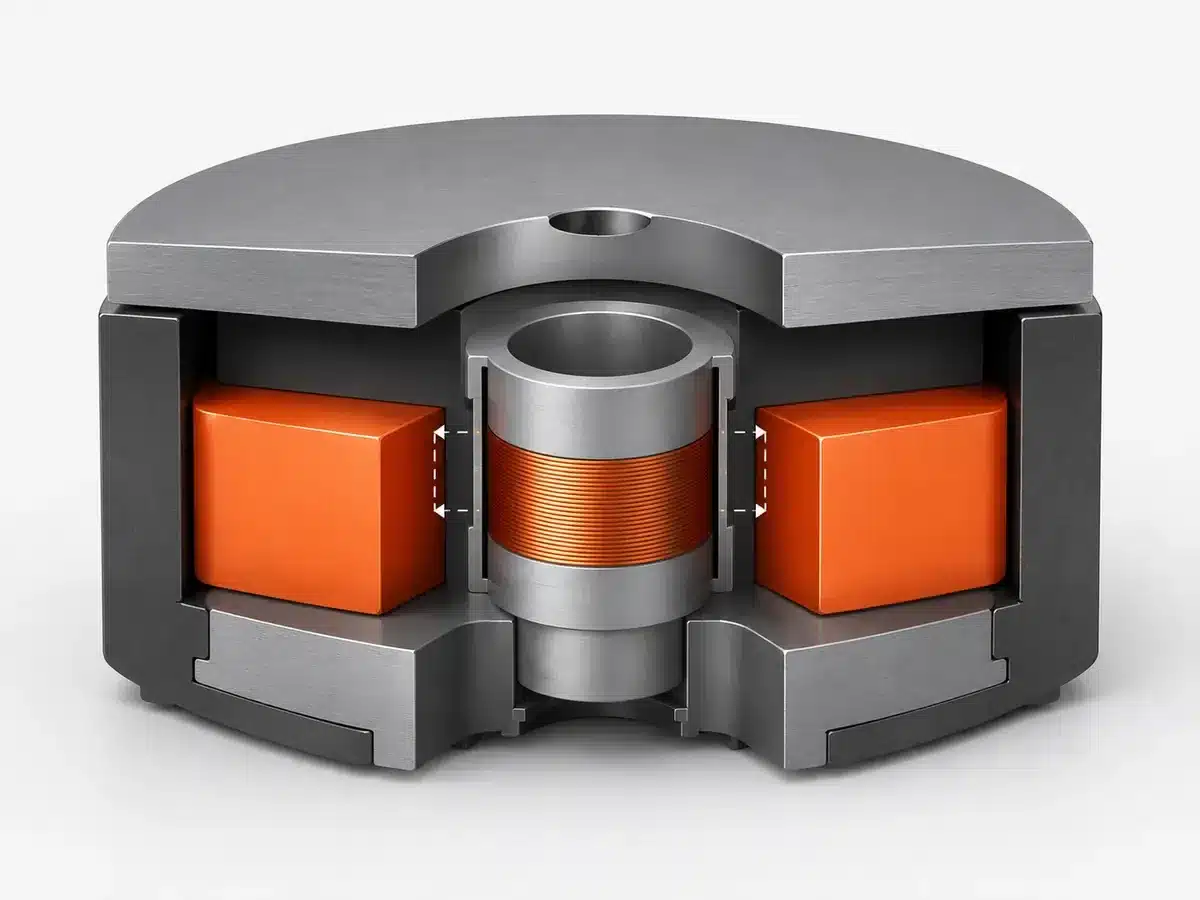
Where Custom Loudspeaker Magnets May Be Needed
Neodymium magnets may be considered in loudspeaker designs where compact size, magnetic performance within limited space, or weight reduction is important.
- Loudspeaker driver projects.
- Compact speaker and audio equipment projects.
- Professional audio driver assemblies.
- OEM speaker magnet sourcing and redesign projects.
- Custom acoustic assemblies where standard magnets do not fit.
- Projects where shape, coating, tolerance, or magnetization direction must be controlled.
The suitable magnet shape depends on the speaker motor structure and available space. Some projects may require ring magnets. Some may use disc magnets. Some designs may need block magnets, segment magnets, or custom-shaped magnets.
Principali fattori di progettazione da confermare prima della campionatura
Before requesting custom loudspeaker magnets, engineers and buyers should confirm the main design factors. These details help Osenc review manufacturing feasibility and reduce avoidable sampling problems.
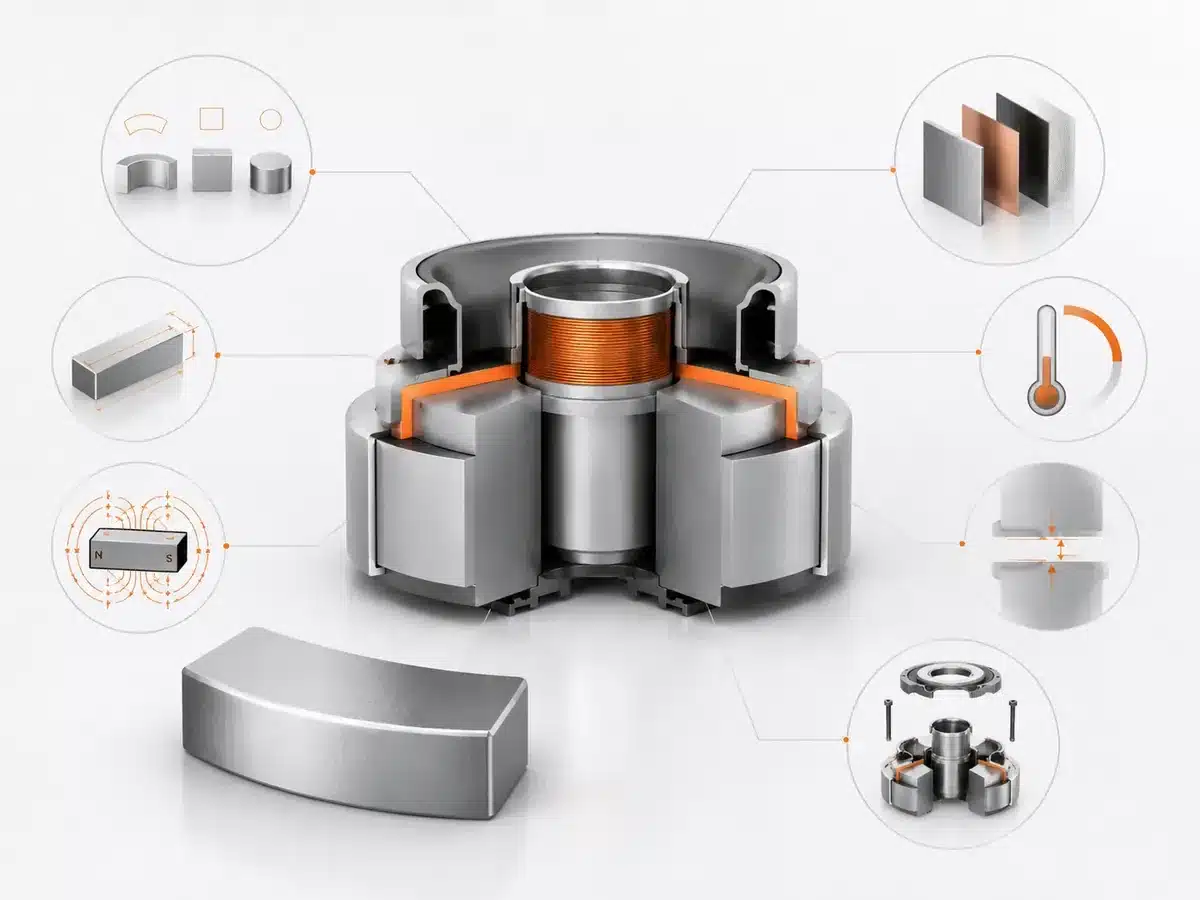
| Fattore di progettazione | Why It Matters in Loudspeaker Projects | Cosa inviare per la valutazione |
|---|---|---|
| Speaker motor structure | The magnet must match the actual magnetic circuit and assembly layout. | Speaker structure drawing, assembly drawing, sample photo, or structure description. |
| Forma del magnete | Shape affects fit, magnetic circuit layout, and assembly method. | Ring, disc, block, segment, or custom drawing. |
| Magnet dimensions | OD, ID, thickness, length, width, and custom features may affect fit. | 2D drawing, 3D file, measured sample, or current specification. |
| Direzione di magnetizzazione | The magnetization direction must match the magnetic circuit. | Axial, diametrical, radial, multipole, or marked drawing if available. |
| Grado | Grade affects magnetic performance, temperature resistance, cost, and supply practicality. | Target performance, working condition, and existing grade if known. |
| Magnetic gap / air gap | The magnet works with the gap and surrounding steel parts. | Magnetic gap information, voice coil area, pole piece, top plate, yoke, or housing details if available. |
| Temperatura di esercizio | Temperature and magnetic circuit conditions may affect magnet stability. | Normal working temperature and possible peak temperature. |
| Rivestimento | Coating affects corrosion protection, bonding, appearance, and final size. | Coating preference and working environment. |
| Critical tolerance | Tight fit may require clearer dimensional and inspection requirements. | Critical dimensions and inspection expectations. |
| Metodo di assemblaggio | Bonding, press-fit, mechanical positioning, and assembly order can affect magnet choice. | Assembly method and mating parts. |
You do not need every detail before contacting Osenc. If your team only has a sample, photo, or early drawing, Osenc can start from the available information and help identify missing specification points.
Which Magnet Options Should Be Reviewed for a Loudspeaker Project?
There is no universal “best loudspeaker magnet.” The right option depends on the speaker structure and production requirements.
This is not a fixed catalog. It is a review guide. For a real loudspeaker or audio driver project, the drawing, sample, magnetic circuit, and assembly details decide which option is practical.
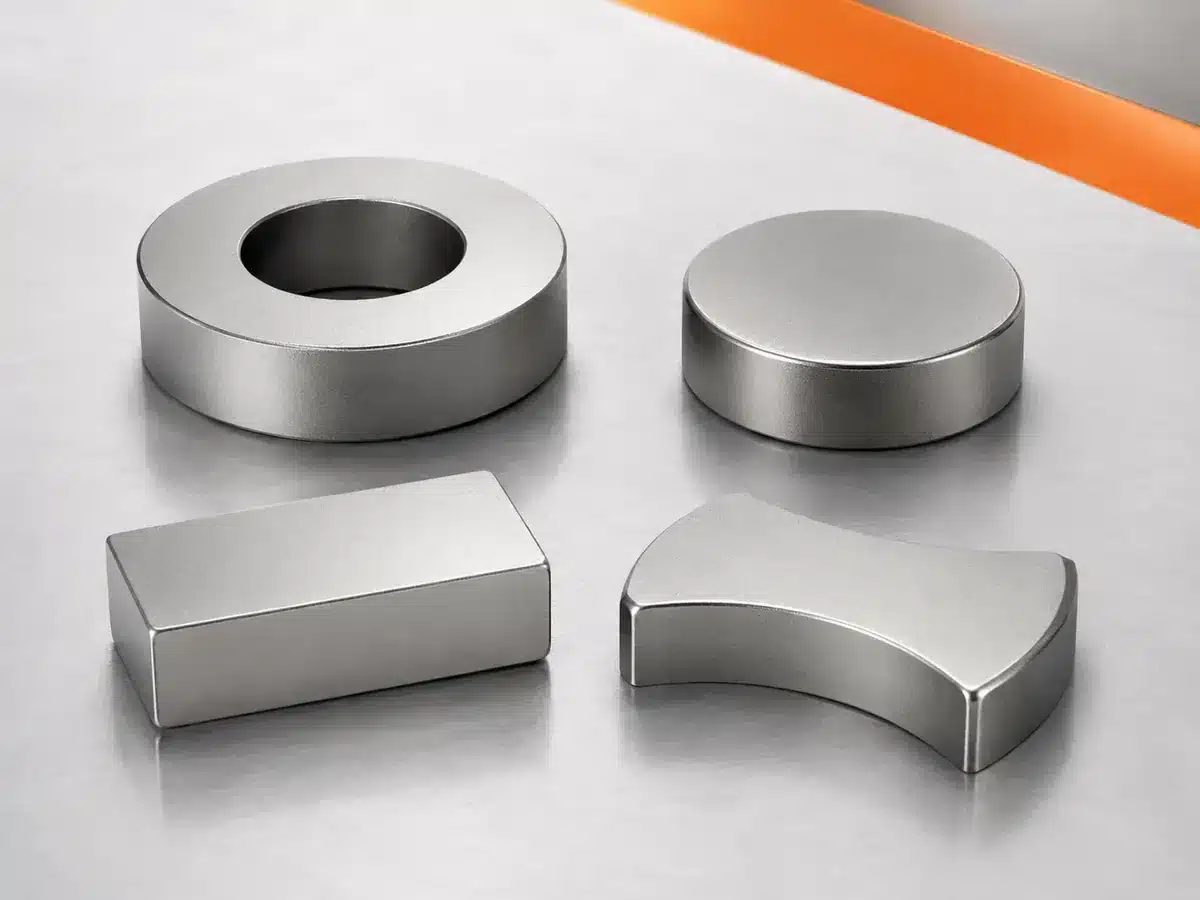
| Opzione di magnete | Quando può essere rilevante | Dati da confermare |
|---|---|---|
| Magneti ad anello | When the speaker structure requires a central opening or circular magnetic path. | OD, ID, thickness, magnetization direction, flatness, and concentricity needs. |
| Magneti a disco | When the design can use a solid round magnet form. | Diameter, thickness, magnetic direction, coating, and assembly method. |
| Magneti a blocco | When the speaker or audio assembly uses a rectangular magnetic layout. | Length, width, thickness, magnetization direction, and installation space. |
| Custom-shaped magnets | When standard shapes do not match the available space or assembly structure. | Drawing, critical dimensions, magnetization, coating, and quantity. |
| Gruppi magnetici | When loose magnets are not enough and the magnet must work with steel parts or other components. | Assembly drawing, mating parts, magnetic gap, and function requirement. |
Common Selection Mistakes in Loudspeaker Magnet Projects
Molti problemi in fase di campionatura derivano da una selezione troppo rapida del magnete. Un magnete può sembrare corretto per dimensioni, ma risultare comunque non idoneo all'applicazione finale.
Scelta basata esclusivamente sul grado
A higher grade can be useful in some designs, but grade alone does not decide whether the magnet is suitable. The magnet must work with the speaker structure, magnetic gap, temperature condition, coating, and assembly method.
Direzione di magnetizzazione trascurata
If the direction does not match the magnetic circuit, the magnet may not work as expected even when the size and material are correct.
Copying Another Speaker Magnet
Two magnets may look similar but behave differently in different speaker designs. Steel parts, housing, gap, and assembly method can all affect the final result.
Overlooking Coating and Fit
Coating can affect corrosion protection, bonding, appearance, and final dimensions. In tight assemblies, even small dimensional changes may matter.
Skipping Temperature Review
Working temperature and magnetic circuit conditions should be reviewed before sampling because magnet stability can be affected by heat and design conditions.
Sending an Incomplete RFQ
A vague request such as “we need strong speaker magnets” is not enough. Drawings, sample details, magnetization direction, and application context make the review much more useful.
How Osenc Supports Custom Loudspeaker Magnet Projects
Osenc focuses on magneti al neodimio and magnetic components for OEM projects. For loudspeaker and audio driver applications, Osenc can help review the magnet design from the manufacturing and application side.
Revisione di disegni tecnici e campioni
Esaminare i disegni tecnici dei magneti, i dettagli dei campioni, le specifiche attuali e le informazioni mancanti prima della campionatura.
Custom Magnet Discussion
Discuss ring magnets, disc magnets, block magnets, or custom shapes based on the speaker motor structure.
Valutazione della fattibilità produttiva
Review grade, coating, magnetization direction, critical dimensions, handling, and inspection considerations.
Osenc does not replace the customer’s complete acoustic design or final speaker validation. The finished magnet should still be tested inside the customer’s actual loudspeaker or audio driver structure.
What Should You Send for a Loudspeaker Magnet RFQ?
Una richiesta di offerta chiara consente a Osenc di comprendere più rapidamente il progetto. È possibile inviare disegni tecnici completi oppure iniziare con fotografie dei campioni e informazioni di base sull'applicazione.
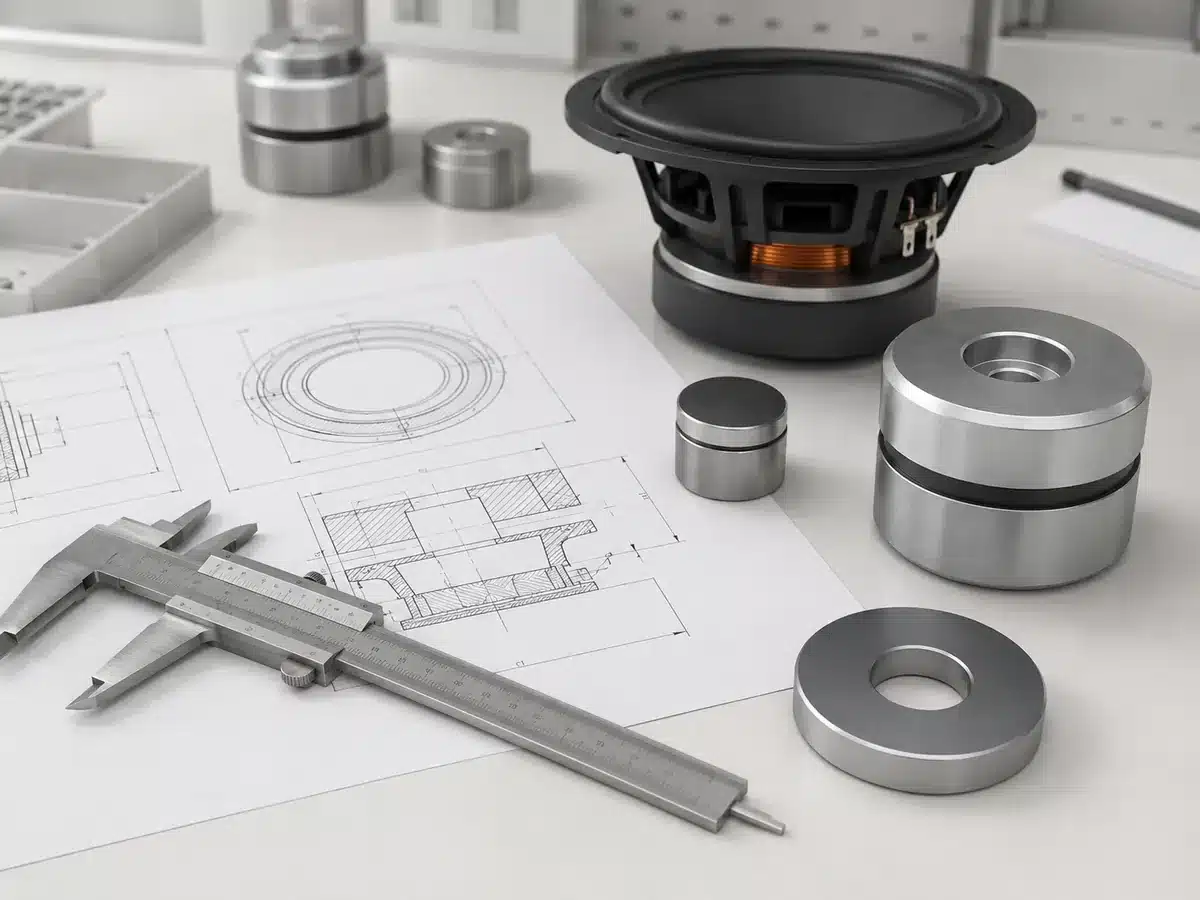
- Speaker type or audio device context.
- Disegno tecnico del magnete, modello 3D, fotografia del campione o specifica attuale.
- Magnet shape and main dimensions.
- Magnetization direction or polarity mark.
- Required grade, if already specified.
- Coating requirement, if known.
- Magnetic gap or voice coil area information if available.
- Related steel parts, top plate, pole piece, yoke, housing, or mating parts.
- Working temperature and possible peak temperature.
- Assembly method, such as bonding, press-fit, or mechanical positioning.
- Quantity target and sample requirement.
- Inspection or batch consistency requirements.
If you do not know the grade, coating, or magnetization direction yet, send the available drawing or sample details first. Osenc can review the information and help clarify what needs to be confirmed before sampling.
Before Sampling: What Should Be Checked?
A pre-sampling review helps reduce wrong-spec samples, unclear magnetization, coating mismatch, and avoidable back-and-forth communication.
| Review Point | Perché sono utili |
|---|---|
| Is the magnetization direction confirmed? | Avoids producing a magnet that cannot work in the intended magnetic circuit. |
| Are the critical dimensions marked? | Helps identify which dimensions affect assembly or performance most. |
| Is coating thickness considered? | Coating may affect final size, fit, bonding, and corrosion resistance. |
| Is the working temperature known? | Helps review whether temperature conditions may affect magnet selection. |
| Is the magnetic gap or related structure clear? | Helps review the magnet within the loudspeaker magnetic circuit. |
| Is the assembly method clear? | Helps check whether the coating, tolerance, and handling method are practical. |
| Are inspection expectations defined? | Helps align production and quality checks with the project’s real needs. |
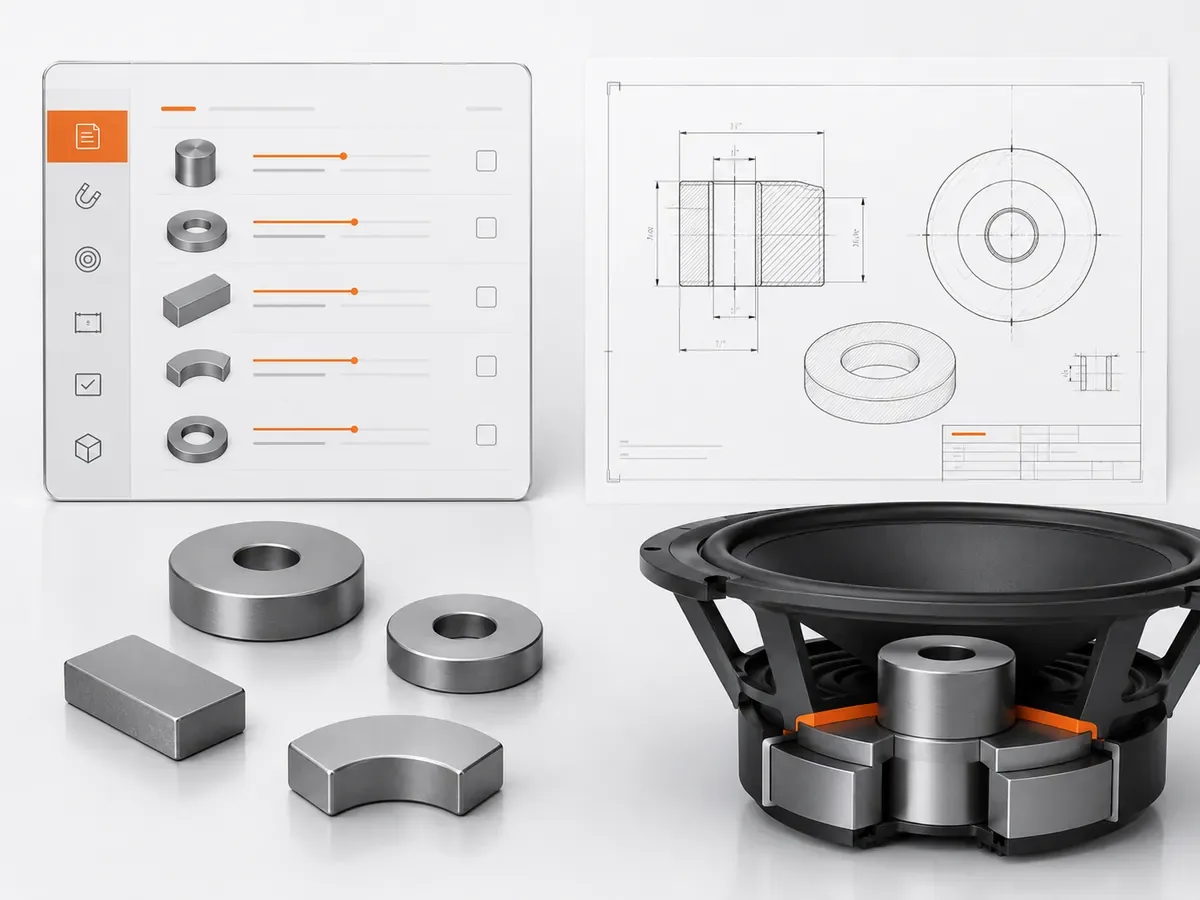
Related Osenc Magnet Capabilities
Loudspeaker magnet projects may connect with several Osenc product and service areas. The correct choice should be based on the actual drawing and application conditions.
Questions Buyers Often Ask
I magneti al neodimio sono adatti a tutti i tipi di altoparlanti?
No. I magneti al neodimio sono adatti a molti progetti di altoparlanti, soprattutto quando sono importanti l’ingombro ridotto o le prestazioni magnetiche in uno spazio limitato. Tuttavia, la scelta corretta dipende dalla struttura complessiva dell’altoparlante, dalla temperatura di esercizio, dall’obiettivo di costo e dal metodo di assemblaggio.
Un grado magnetico più elevato è sempre migliore per gli altoparlanti?
No. Un grado più elevato non è automaticamente migliore. Il grado deve essere valutato insieme alle dimensioni del magnete, alle condizioni di temperatura, al circuito magnetico, all’obiettivo di costo e ai requisiti di produzione.
Quale forma di magnete scegliere per un progetto di altoparlante?
La forma dipende dalla struttura del circuito magnetico dell’altoparlante e dallo spazio disponibile. In funzione del progetto, è possibile valutare magneti ad anello, a disco, a blocco, a segmento o con geometria personalizzata.
Perché è importante la direzione di magnetizzazione?
La direzione di magnetizzazione deve essere compatibile con il circuito magnetico. Se è errata, il magnete potrebbe non funzionare correttamente nel gruppo dell’altoparlante, anche se le dimensioni e il grado magnetico risultano corretti.
Il rivestimento è importante per i magneti degli altoparlanti?
Sì. Il rivestimento può influire sulla resistenza alla corrosione, sull’incollaggio, sull’aspetto e sulle dimensioni finali. Prima di scegliere il rivestimento, l’acquirente deve verificare l’ambiente di esercizio e il metodo di assemblaggio.
Quali informazioni devo inviare per richiedere un preventivo per un magnete personalizzato per altoparlanti?
Invia, se disponibili, un disegno tecnico, una foto del campione, la specifica attuale, la forma e le dimensioni del magnete, la direzione di magnetizzazione, la temperatura di esercizio, i requisiti di rivestimento, il metodo di assemblaggio, la quantità e i requisiti di controllo.
OSENC può esaminare disegni tecnici o campioni?
Sì. Osenc può esaminare disegni tecnici, campioni, specifiche e requisiti applicativi per progetti di magneti al neodimio personalizzati prima della fase di campionatura.
Can Osenc guarantee better loudspeaker sound quality?
Osenc can help review and supply custom magnets based on your drawing and application requirements. Final acoustic performance depends on the complete loudspeaker design, not only the magnet. The finished product should be validated in the customer’s own design and testing process.
Send Your Loudspeaker Magnet Drawing or Sample for Review
If you are developing custom neodymium magnets for loudspeakers, speaker drivers, or audio equipment, send Osenc your drawing, sample photo, current specification, magnetization direction, coating request, assembly condition, and quantity target.
Osenc can review the magnet specification and discuss a practical custom magnet solution before sampling.