







OSENC produce magneti al neodimio N55 personalizzati per circuiti magnetici OEM compatti, nei quali una maggiore densità di energia magnetica consente di ottenere l'uscita richiesta con un volume del magnete limitato. Forniamo geometrie a disco, blocco, anello e cilindro con dimensioni, rivestimento e magnetizzazione definiti a disegno, nonché requisiti di accettazione magnetica stabiliti per il progetto.
Invia il disegno tecnico, il traferro di lavoro, la temperatura di esercizio e l'uscita magnetica richiesta. Verifichiamo se il grado N55 offre un effettivo vantaggio progettuale e definiamo la specifica del componente finito prima della produzione.
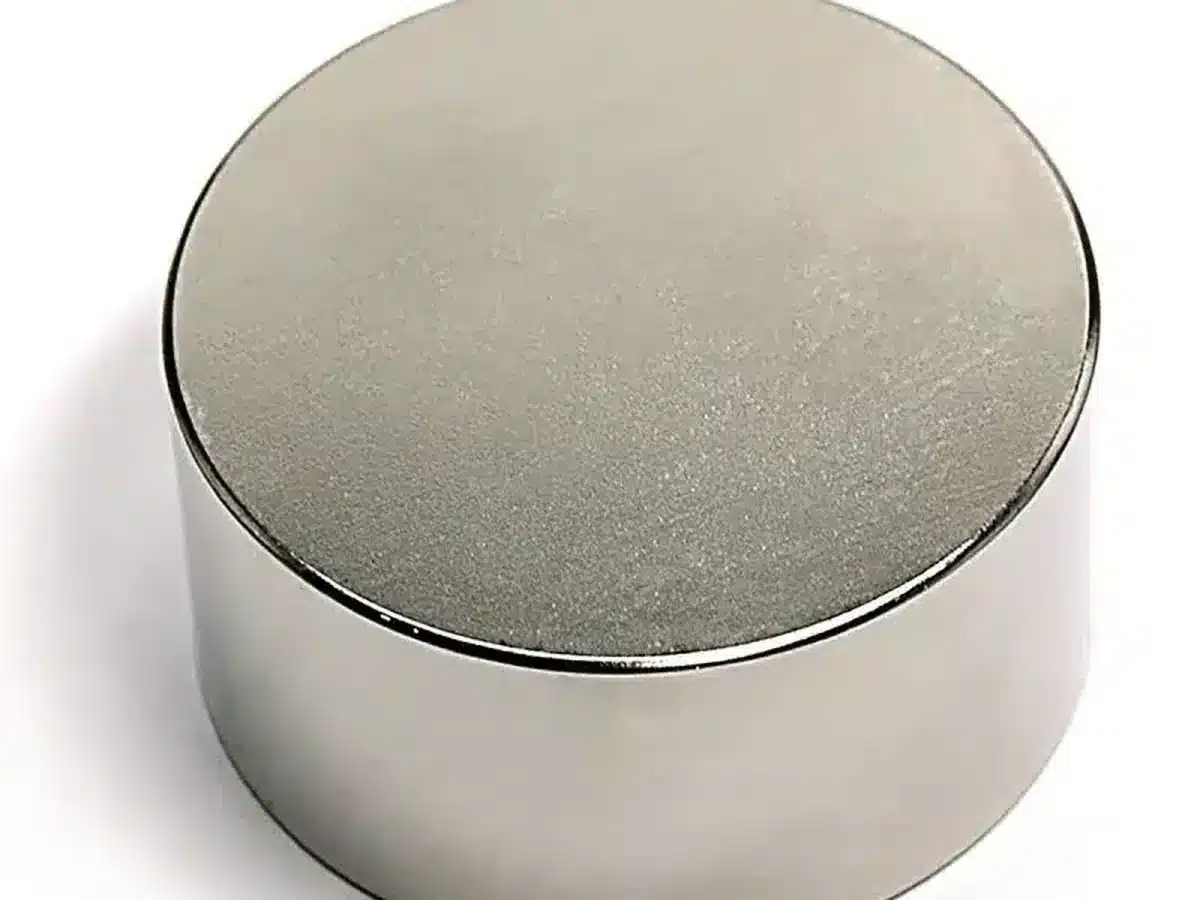
Il grado N55 è indicato per magneti compatti e di piccole dimensioni ad alto campo magnetico. Il suo intervallo più elevato di Br / BHmax a livello di materiale può offrire un margine progettuale utile quando il volume del magnete è limitato. Non è automaticamente la scelta migliore se il grado N52 raggiunge già l'obiettivo magnetico del componente finito con un margine sufficiente.
OSENC confronta l'induzione magnetica superficiale in gauss, il flusso totale o la forza di distacco esclusivamente a parità di geometria e in condizioni di prova definite. Le dimensioni del magnete, il rivestimento, la magnetizzazione, il traferro, le condizioni dell'acciaio e la configurazione dell'attrezzatura di prova influiscono sulle prestazioni finali.
Il solo valore di gauss superficiale non dimostra che un magnete sia N55. Per i progetti N55 sottoposti a controllo, l'accettazione del materiale si basa sulle proprietà che definiscono il grado; quando sono richieste evidenze a livello del materiale, vengono utilizzati il certificato del materiale e i dati B-H/di isteresi.
| Proprietà del materiale | Criteri base di accettazione OSENC per N55 | Perché è importante |
|---|---|---|
| Rimanenza, Br | ≥14,5 kG / 1,45 T | Definisce l’induzione magnetica residua disponibile nel materiale magnetizzato. |
| Coercitività normale, Hcb | ≥12,2 kOe | Indica la resistenza alla riduzione dell'induzione magnetica in presenza di un campo inverso. |
| Coercitività intrinseca, Hcj | ≥13,0 kOe | Importante per il margine rispetto alla smagnetizzazione e per i progetti sensibili alla temperatura. |
| Prodotto energetico massimo, (BH)max | ≥52 MGOe | Conferma l'elevata densità di energia che giustifica l'impiego del grado N55 nei progetti compatti. |
Verificare che il materiale soddisfi le proprietà N55 concordate, anziché determinarne il grado basandosi esclusivamente su una misura del campo superficiale.
Le dimensioni finite dopo il rivestimento sono controllate rispetto alla specifica approvata del componente, poiché sono le dimensioni del pezzo finito a determinarne l’accoppiamento nell’assieme.
Il flusso totale, l’induzione magnetica superficiale misurata in posizione fissa o la forza di distacco funzionale possono essere associati ad attrezzature e condizioni di prova definite, se specificato.
Il materiale, la geometria, il rivestimento, la magnetizzazione e i criteri di accettazione concordati vengono fissati nella fase di campionatura, prima della produzione.
Il grado N55 è particolarmente indicato per magneti miniaturizzati a disco e cilindrici, nei quali il volume magnetico disponibile è limitato. OSENC produce inoltre, su disegno tecnico, magneti N55 a blocco e ad anello quando la maggiore densità di energia offre un vantaggio utile per il progetto.
| Tipo di riferimento | Riferimenti dimensionali N55 | Come OSENC utilizza questa gamma |
|---|---|---|
| Disco / Cilindro | D3,175×1,524, D3,175×3,175, D4,75×1,524, D6,35×3,175 mm | Compact sensor, switch, encoder and precision mechanism starting points. |
| Disco / Cilindro | D6.35×6.35, D7.925×6.35, D9.525×3.175 mm | Compact designs where higher energy density can reduce magnetic package size. |
| Custom Block / Ring | Made to drawing | Final feasibility is locked against finished tolerance, magnetization direction, coating and magnetic target. |
These dimensions are practical RFQ references rather than fixed stock specifications. The production part follows the approved drawing.
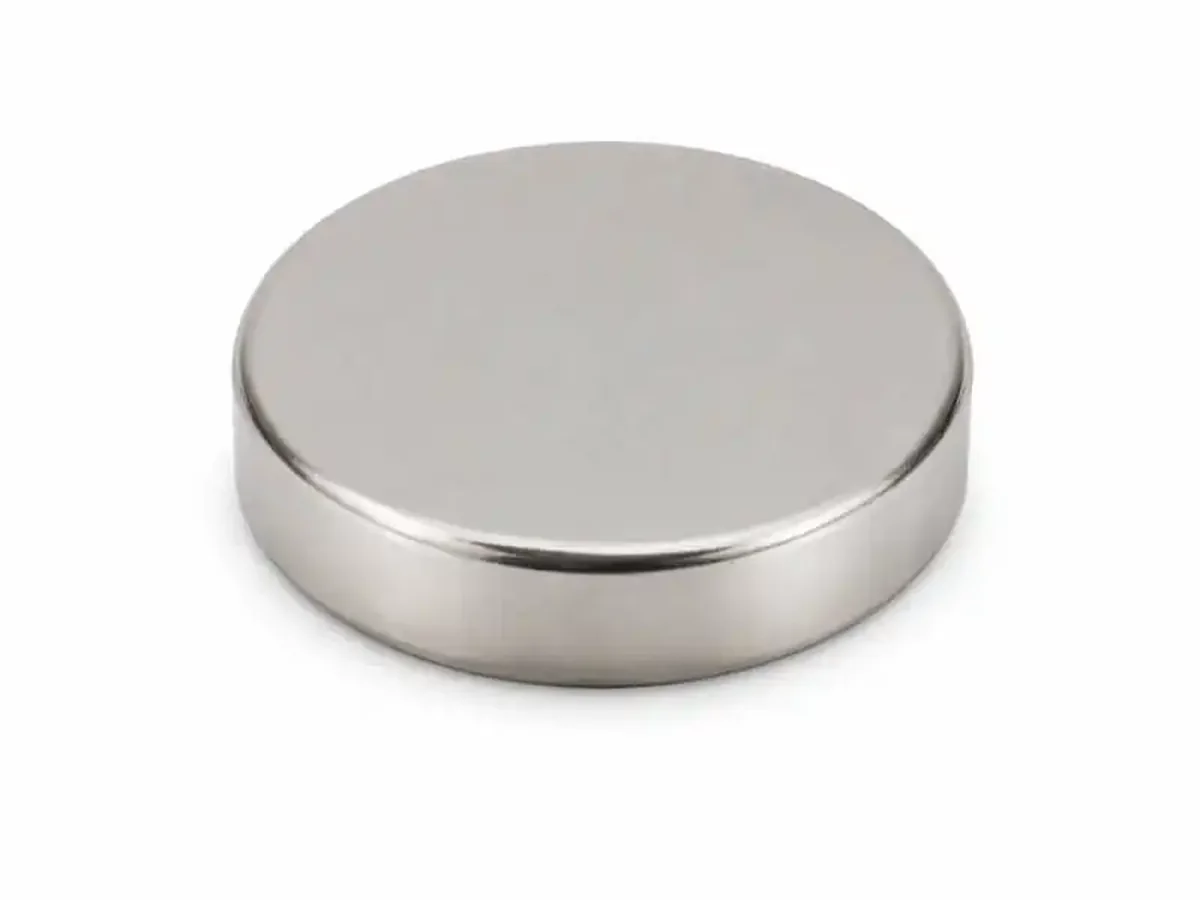
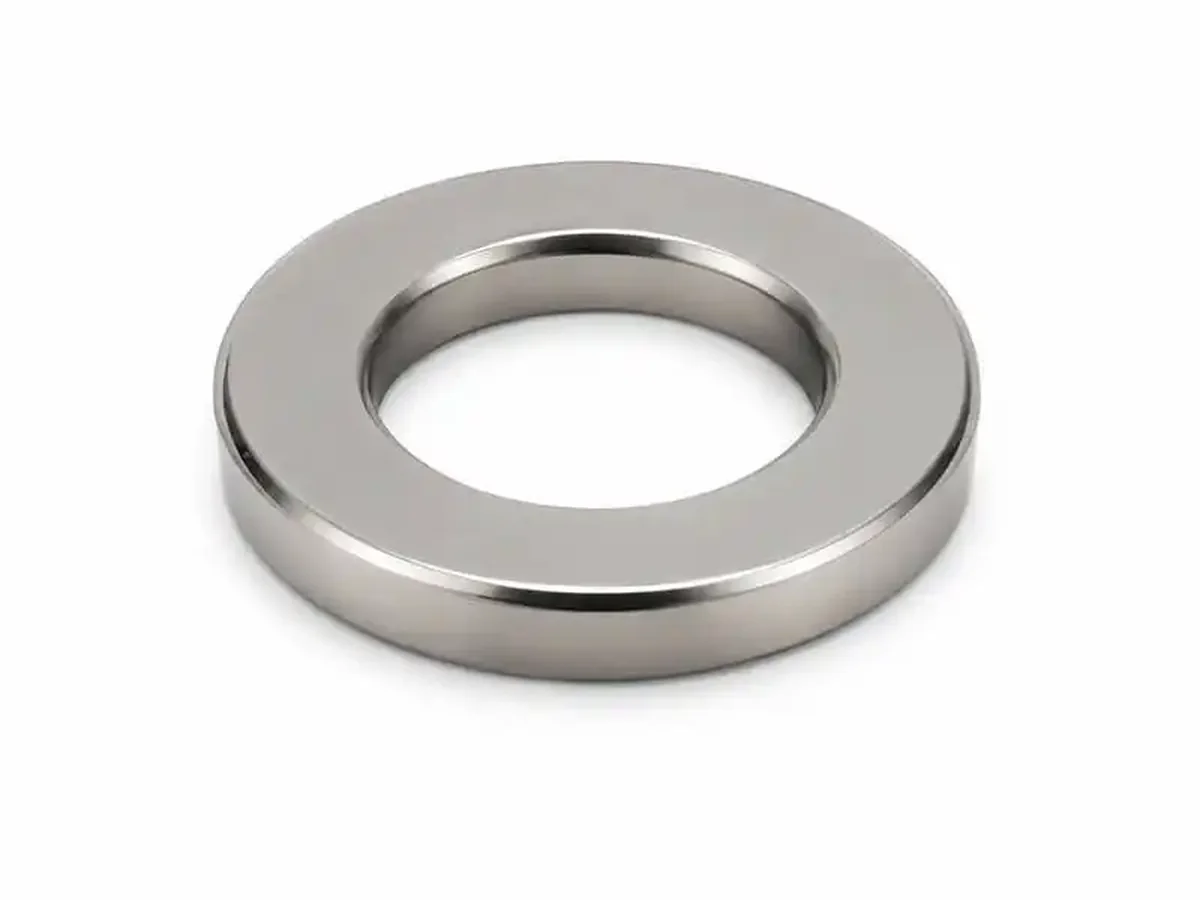
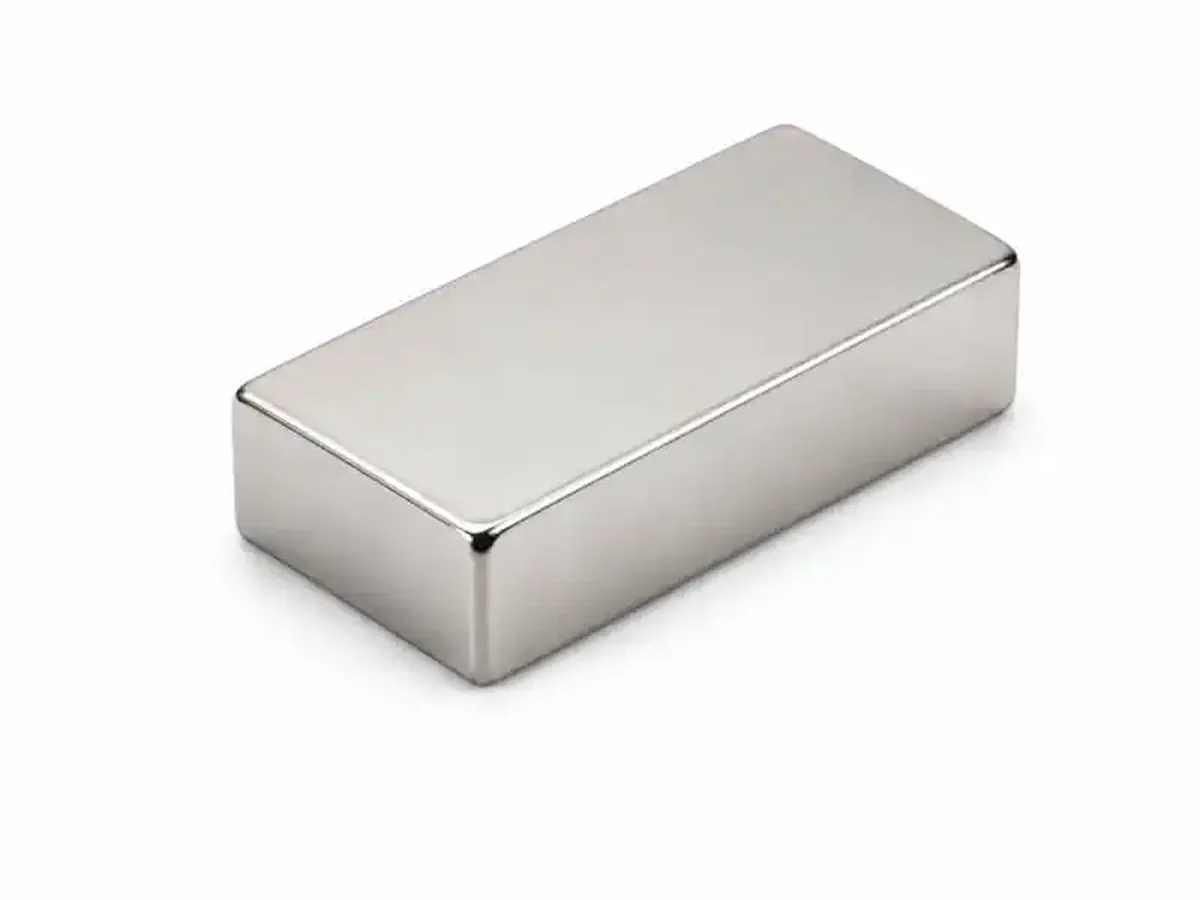
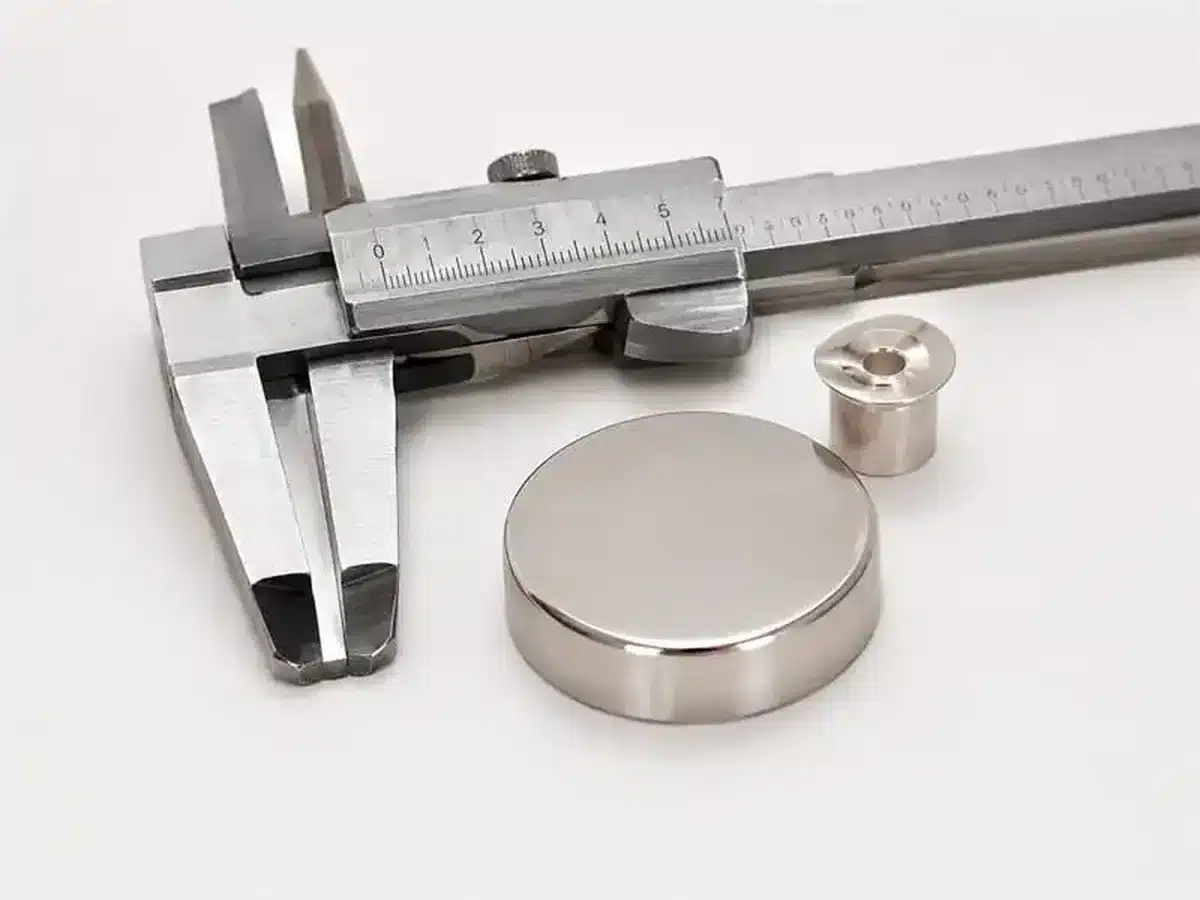
OSENC uses ±0.10 mm as the standard finished-tolerance reference and ±0.05 mm as the precision finished-tolerance reference for N55 projects. The controlled dimension is the coated finished part.
Miniature geometries are handled against the drawing and process capability instead of applying one extreme tolerance claim to every shape.
| Forma | Magnetization Directions | Controllo tecnico |
|---|---|---|
| Disco | Axial / Diametrical | Direction is locked to the sensor, holding or magnetic-circuit geometry. |
| Blocco | Through Thickness / Length / Width | The magnetization axis is defined against the assembly and working gap. |
| Anello | Axial / Diametrical / Radial / Multipole | Radial and multipole rings use dedicated magnetizing fixtures. |
| Cylinder | Axial / Diametrical | Direction is defined on the drawing and verified after magnetization. |
OSENC currently specifies Ni, Ni-Cu-Ni, Zn and Au coating options for N55 projects. Selection is tied to corrosion exposure, dimensional fit, appearance and contact requirements.
OSENC uses 80°C maximum as a standard N55 engineering reference only in suitable magnetic geometries and working conditions. The L/D ≥0.7 reference applies only where that geometric ratio is meaningful.
Rings, blocks, thin sections and low-permeance designs require separate demagnetization review before the temperature requirement is approved.
After material grade and finished geometry are accepted, OSENC verifies the finished magnet against the magnetic characteristics specified for the project. Different measurements answer different engineering questions, so Surface Gauss is not treated as a substitute for material-grade verification or functional Pull Force.
Used for material-level verification of Br, Hcb, Hcj and (BH)max when specified.
Finished magnets can be checked with defined measuring equipment, fixture position and test distance.
When required, steel condition, air gap and pull direction are fixed before results are compared.
*Functional pull-force testing is added when the project requires it. The test setup must be controlled before pull-force values are used as an acceptance criterion.
Required records are defined in the approved inspection plan before production. Depending on the project, documentation can include:
Material Certificate and B-H / hysteresis data when material-level grade evidence is specified.
Finished-dimension inspection and coating acceptance records against the approved drawing and finish requirement.
Magnetization verification, Total Flux, fixed-position Surface Gauss and Pull Force records when specified.
Compact N55 magnets help when working gap and trigger threshold require more magnetic margin in a limited package.
Small disc, cylinder and ring designs can support high field density where alignment and sensor spacing are tightly controlled.
N55 is useful where reducing magnetic package size matters more than simply minimizing material cost per magnet.
OSENC quotes the finished component against the drawing and required QC. Price is driven by N55 material volume, geometry, precision grinding, finished tolerance, coating, magnetization fixture, magnetic inspection, certificate requirements and order quantity.
The N55 baseline used on this page is Br ≥14.5 kG / 1.45 T, Hcb ≥12.2 kOe, Hcj ≥13.0 kOe and (BH)max ≥52 MGOe. Material Certificate and B-H / hysteresis data are used when the project requires material-level evidence.
N55 has a higher material-level Br / BHmax range than N52, but finished Surface Gauss, Total Flux and Pull Force are compared only under matched geometry and controlled test conditions.
OSENC uses 80°C maximum as the engineering reference on this page only where the magnetic geometry and working point are suitable. Thin or low-permeance designs require separate demagnetization review.
OSENC manufactures custom N55 projects in disc, block, ring and cylinder forms. Compact high-field parts are the main positioning because the grade is most useful when magnetic volume is limited.
Disc and cylinder magnets can use axial or diametrical magnetization. Blocks can be magnetized through thickness, length or width. Rings can use axial, diametrical, radial or multipole magnetization.
Finished verification can include dimensions, coating, magnetization direction, Total Flux, fixed-position Surface Gauss and functional Pull Force when specified. Material-grade verification remains separate from finished-part magnetic testing.
Send OSENC your drawing, magnetic target and operating conditions. We review material grade, geometry, coating, finished tolerance, magnetization, temperature, working gap and required magnetic QC as one controlled component before sampling.
Request N55 Samples & Quote