






Magnetic field simulation is basically your “test lab on a screen,” and for many projects it’s the fastest way to run a magnet simulation before you ever touch a physical prototype. In this guide, we’ll break down what it is, the minimum magnetism basics you need, and how magnetic field simulation software (and other magnetic simulation software) turns your inputs (shape, materials, currents, layouts) into field maps, numbers, and performance predictions you can actually use.
We’ll then walk through practical tools and workflows for magnetic field modelling, the real benefits for designers and buyers (better magnet selection, fewer prototypes, faster development), and the limits you must watch for—like input accuracy, modeling assumptions, computing time, and the expertise needed to avoid wrong conclusions. Finally, we’ll show how Osenc applies simulation to refine custom magnets and assemblies before manufacturing.
Magnetic Field Simulation
Magnetic field simulation is an important tool for magnet makers and users, especially when you need reliable magnetic field modeling to guide design decisions. This article will explore how magnetic field simulation works, how magnetic field simulation modeling is set up, and how it can help design and build better magnet systems.
1. Understanding Magnetic Field Simulation
A. Magnetism Basics
It’s hard to make sense of magnetic field simulation results—or do clean magnetic modeling / magnetic field modelling—without knowing some magnetism basics. For example, you might misunderstand the results if you don’t get how magnets work. Or you might set up the simulation wrong if you don’t know about the type of magnet you want to simulate.
1). Core Magnetism Ideas
If magnetism is new to you, learn some key laws and principles of how magnetic fields behave. These include things like magnetic poles, magnetic flux, and magnetic field strength. Also, how different magnetic fields interact. Understanding these basics is key to how magnetic field simulation works. It helps you get what the simulation is modeling and how it predicts how magnetic fields act.
2). Different Kinds of Magnets
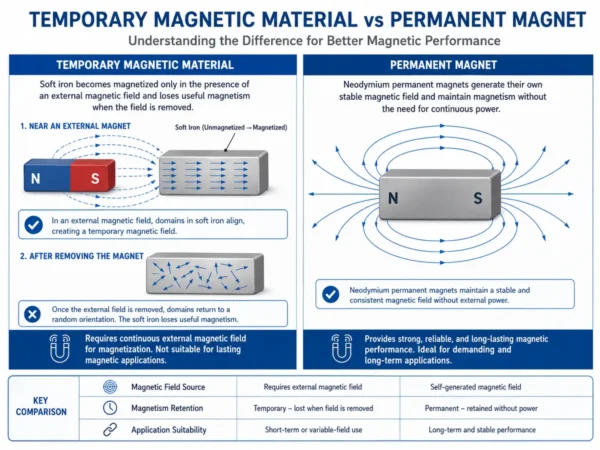
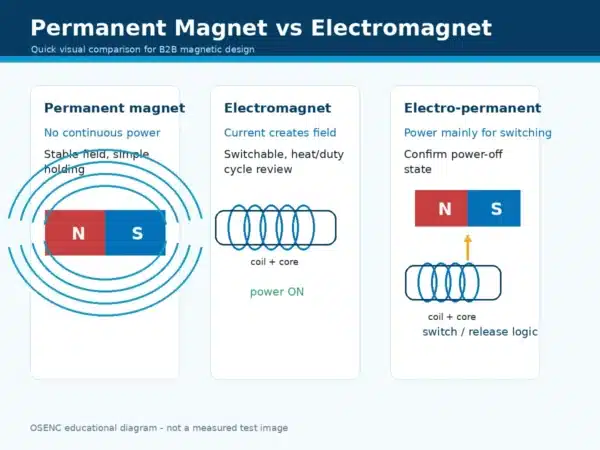
There are many types of magnets, like permanent magnets (neodymium or ferrite), electromagnets, and induced magnets. Each acts in its own way.
Knowing how these magnet types differ, including their magnetic field strength, shape, and size, helps predict how they’ll act in different situations. The type of magnet you simulate has a big effect on the results. Understanding different magnet types means you can set up simulations better and figure out the results.
B. What is Magnetic Field Simulation?
Definition and Goal
Magnetic field simulation is a computer tool that figures out magnetic field patterns and details for a specific magnet system design—often grouped under magnet field simulation and broader electromagnetic field simulation workflows. It uses math techniques to solve Maxwell’s equations, which describe how electromagnetism works under certain conditions.
In termini semplici, si inseriscono i dati del sistema magnetico — dimensioni, forma, configurazioni, materiali, correnti e condizioni al contorno — e il solutore utilizza questi input per simulare il comportamento del campo magnetico in un ambiente virtuale controllato. Il software crea quindi un prototipo virtuale del progetto, suddividendolo in numerosi piccoli elementi (mesh), e calcola in ogni punto l’intensità e la direzione del campo magnetico.
Applicazioni pratiche
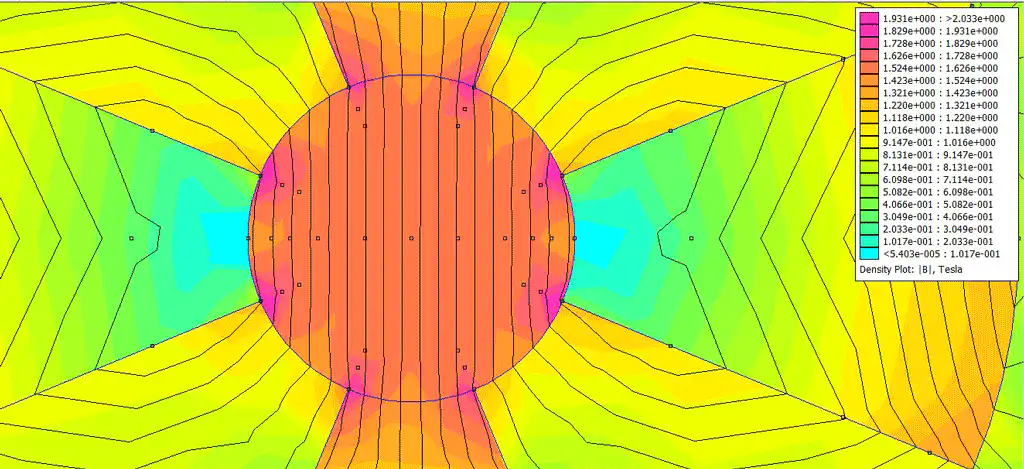
La simulazione del campo magnetico fornisce risultati grafici, come linee di campo o mappe di contorno, e dati numerici quali induzione magnetica, intensità di picco del campo, forze e induttanza; può quindi supportare la simulazione del flusso magnetico e la simulazione della forza magnetica nelle verifiche pratiche di progetto. Consente di analizzare il possibile funzionamento del sistema magnetico e di perfezionare il progetto prima di realizzare un prototipo fisico. Ciò può contribuire a ottimizzare il prodotto e a ridurre tempi e costi di sviluppo.
Negli ultimi anni gli strumenti per la simulazione dei campi magnetici sono diventati molto più avanzati. Oggi sono disponibili numerosi software di modellazione magnetica, dagli strumenti di simulazione del magnetismo adatti ai principianti fino alle suite professionali, con diversi livelli di complessità e di prezzo. Sono ormai abbastanza semplici da poter essere utilizzati nei progetti da progettisti e utilizzatori di magneti. La simulazione fornisce informazioni preziose sul sistema magnetico e ne prevede con elevata accuratezza il possibile comportamento.
Importanza per utilizzatori e acquirenti di magneti
In sintesi, la simulazione del campo magnetico calcola il campo all’interno e attorno al progetto del sistema magnetico in base ai dati inseriti. È uno strumento di prototipazione virtuale che fornisce risultati sia grafici sia numerici per analizzare e ottimizzare in modo approfondito il sistema magnetico. I vantaggi della simulazione del campo magnetico sono notevoli, in particolare per ridurre gli sprechi e accelerare lo sviluppo.
Perché simulare i campi magnetici?
- Applico la regola della mano destra per verificare come la direzione della corrente modifica i poli magnetici; nelle verifiche di base simulo anche il campo attorno a un singolo filo percorso da corrente continua (DC).
- Sperimento con più spire per osservare come si combinano i campi e utilizzo simulazioni interattive per rendere più comprensibili le configurazioni risultanti.
- Visualizzo la simmetria sia in 2D sia in 3D e, a volte, la confronto con dimostrazioni che rappresentano in 3D il campo magnetico terrestre, così da sviluppare una comprensione intuitiva.
- Esploro come i solenoidi funzionano nei motori e nei trasformatori.
- Studio le macchine per la risonanza magnetica e altri dispositivi elettromagnetici, nei quali il comportamento dei materiali, come le risposte ferromagnetiche, paramagnetiche e diamagnetiche, può influire sui risultati reali.
- Studio la legge di Biot-Savart e le sue applicazioni, collegandola ai metodi computazionali per prevedere mediante simulazioni il comportamento dei campi magnetici.
- I sperimentare fenomeni simili a quelli degli esperimenti fisici, anche quando non posso accedere alle apparecchiature di laboratorio.
- Osservo effetti difficili da vedere in aula, soprattutto quando lo strumento visualizza il campo magnetico in diverse modalità, come linee di campo, curve di livello e sezioni.
🧲 Nota: le simulazioni mi consentono di risparmiare tempo e risorse. Posso verificare le idee prima di realizzare qualsiasi componente, anche modificando l'intensità delle forze in un campo magnetico mediante la regolazione dei traferri, dei materiali o dei gradi magnetici. Questo approccio aumenta la mia fiducia nei progetti e mi aiuta a evitare errori costosi.
In alcune dimostrazioni didattiche, gli studenti spostano una bussola virtuale attorno a un magnete a barra per analizzare le interazioni tra i due e descrivere con parole semplici il campo magnetico attorno al magnete. È anche un modo rapido per osservare le linee del campo magnetico tra magneti che si attraggono o si respingono, prima di passare a gruppi magnetici più complessi.
Mi affido a Osenc per una consulenza specialistica quando devo simulare magneti di grandi dimensioni o dalla forma irregolare. La loro esperienza nelle soluzioni personalizzate facilita lo svolgimento dei miei progetti.
2. Utilizzo di software per la simulazione del campo magnetico
La possibilità di simulare e prevedere in ambiente virtuale il comportamento dei campi magnetici rappresenta un enorme passo avanti e ha un impatto rilevante su molti settori. Tuttavia, non è necessario essere ingegneri esperti o specialisti del magnetismo per comprendere i principi fondamentali di queste simulazioni. Di seguito esamineremo alcuni comuni software per la simulazione dei campi magnetici, comprese le opzioni che possono essere indicate come software di simulazione magnetica o software di modellazione del campo magnetico, e spiegheremo come questi strumenti prevedono il comportamento dei magneti.
Autodesk Inventor
Questo software è ampiamente utilizzato per la modellazione 3D, compresa la creazione di modelli digitali di magneti e gruppi magnetici. Con Autodesk Inventor è possibile progettare e visualizzare in 3D il magnete o il gruppo magnetico prima di eseguire le simulazioni 3D del campo magnetico, comprese le viste complete di post-elaborazione 3D.
EMS
Per una soluzione semplice per la simulazione dei campi magnetici, è possibile utilizzare EMS. Questo software intuitivo consente di configurare ed eseguire simulazioni di base e fornisce indicazioni utili sul possibile comportamento del campo magnetico.
Maxwell
Per simulazioni dettagliate e precise, Maxwell è una delle soluzioni migliori. In molti flussi di lavoro viene eseguito all'interno di Ansys Electronics Desktop, dove solutori avanzati contribuiscono a migliorare l'accuratezza delle simulazioni professionali.
Come le simulazioni prevedono il comportamento dei magneti
Le simulazioni del campo magnetico si basano su calcoli accurati per prevedere il comportamento dei magneti. Una modellazione corretta è fondamentale: i dati immessi influiscono direttamente sui risultati, quindi anche piccoli errori nei parametri possono alterare l'esito della simulazione del campo magnetico. Eseguire una simulazione consente di prevedere il possibile comportamento di un magnete in condizioni diverse.
Fattori che influenzano le prestazioni dei magneti
I diversi tipi di magneti presentano proprietà che ne determinano le prestazioni. Ad esempio, i magneti al neodimio si comportano diversamente dai magneti in ferrite. Anche le condizioni ambientali, come temperatura e umidità, possono influire sulle prestazioni dei magneti. Infine, le condizioni al contorno, che definiscono il dominio della simulazione, possono modificare significativamente i risultati.
Comprendere questi fattori aiuta a interpretare i risultati delle simulazioni e a utilizzarli per decidere quali magneti scegliere e come impiegarli.
Che siate appassionati, studenti o semplicemente incuriositi dall'affascinante mondo del magnetismo, comprendere queste simulazioni può aprire numerose possibilità.
Primi passi nella simulazione
Configurazione dell'account
Configurazione dell'account. Inizio sempre il mio percorso nella simulazione del campo magnetico creando un account sulla piattaforma scelta. Quando imparo a utilizzare un nuovo strumento, spesso seguo una semplice scheda di lavoro per la simulazione, così da non tralasciare alcun dettaglio della configurazione. La maggior parte delle piattaforme che offrono online la simulazione del campo magnetico, spesso presentate come simulatori di campo magnetico o anche come simulatori di magneti semplificati, richiede una rapida registrazione. Di solito inserisco il mio indirizzo e-mail, imposto una password sicura e verifico l'account tramite un link di conferma. Questa procedura richiede meno di cinque minuti.
Ecco la lista di controllo che utilizzo normalmente per configurare l'account:
- Visitate il sito web della piattaforma di simulazione.
- Fate clic sul pulsante “Iscriviti” o “Registrati”.
- Inserite il mio indirizzo e-mail e create una password sicura.
- Confirm my email address through the link sent to my inbox.
- Log in and access the dashboard.
🛡️ Suggerimento: I always use a unique password for each platform to keep my data safe.
Osenc’s engineering support team guided me through my first registration, making sure I had access to all the features needed for advanced simulations.
Select Simulation Type
Once I log in, I choose the type of simulation that matches my project goals. Most platforms offer several methods for analyzing magnetic fields, so you can choose the right approach for magnetic fields simulation depending on geometry, materials, and accuracy goals. I select the one that fits my needs best.
| Metodo | Solver Type | Discretization | Material Type |
|---|---|---|---|
| FDTD | Differential equation | Volumetric domain | Non-linear, anisotropic |
| FEM | Variational form | Volumetric domain | Non-linear, anisotropic, multi-physics |
| MoM/BEM | Integral equations | Surface currents | Linear, piecewise homogeneous |
I often use Finite Element Analysis (FEA) for accurate results in magnetic design. Sometimes, I try Finite-Difference Time-Domain (FDTD) or Method of Moments (MoM) for specific cases. Each method has strengths for different applications. For example, FEM works well for complex shapes and multi-physics problems, while MoM is great for surface current analysis.
📊 Nota: I always read the platform’s documentation to understand which solver matches my project. Osenc’s experts helped me pick the right simulation type for my custom neodymium magnet assemblies.
Input Parameters
After selecting the simulation type, I enter the parameters that define my magnetic field simulation. Accurate input is essential for reliable results. I focus on the following key parameters:
| Essential Input Parameters | Descrizione |
|---|---|
| Coil Type | Sets the coil’s behavior in the simulation |
| Topology | Shapes the magnetic field distribution |
| Number of Turns | Changes the field’s strength |
| Wire Diameter | Affects resistance and current flow |
| Material Properties | Determines how the magnet or coil responds |
| Geometry Dimensions | Sets the size and shape of the model |
I also describe my simulation goal clearly. For example, I might want to visualize the field lines around a 60-centimeter solenoid or calculate the field strength using the Biot–Savart Law. I sometimes add visuals to show the right-hand rule, which helps me understand the direction of the field.
🧑🔬 Consiglio pratico: I double-check every parameter before running the simulation. Even a small mistake, like entering the wrong number of turns, can change the results. Osenc’s team reviews my input when I work on complex or custom projects, ensuring I get precise outcomes every time.
Run Simulation
I always run my simulation by following a clear, step-by-step process. 🏁 This helps me avoid mistakes and ensures I get accurate results. Here is how I do it:
- Double-check all parameters: I review my coil type, number of turns, material properties, and geometry. Even a small error can change the outcome.
- Select the simulation mode: Most platforms offer options like “Quick Run” for fast results or “Detailed Analysis” for more data. I choose the mode that fits my project.
- Click the ‘Run’ or ‘Start Simulation’ button: I watch the progress bar or status indicator. Some simulations finish in seconds, while complex models may take several minutes.
- Monitor for errors or warnings: If the platform shows a message, I read it carefully. I fix any issues before continuing.
- Save my simulation session: I always save my work. This lets me review or share results later.
💡 Suggerimento: I keep my browser open and avoid running other heavy programs. This keeps the simulation running smoothly.
Osenc’s engineering team once advised me to use the “Detailed Analysis” mode for a custom neodymium magnet project. Their guidance helped me spot a parameter error before I wasted time on a long run.
View Results
I view my simulation results using the platform’s visualization tools. 👀 This step helps me understand how the magnetic field behaves in my setup. Here is what I focus on:
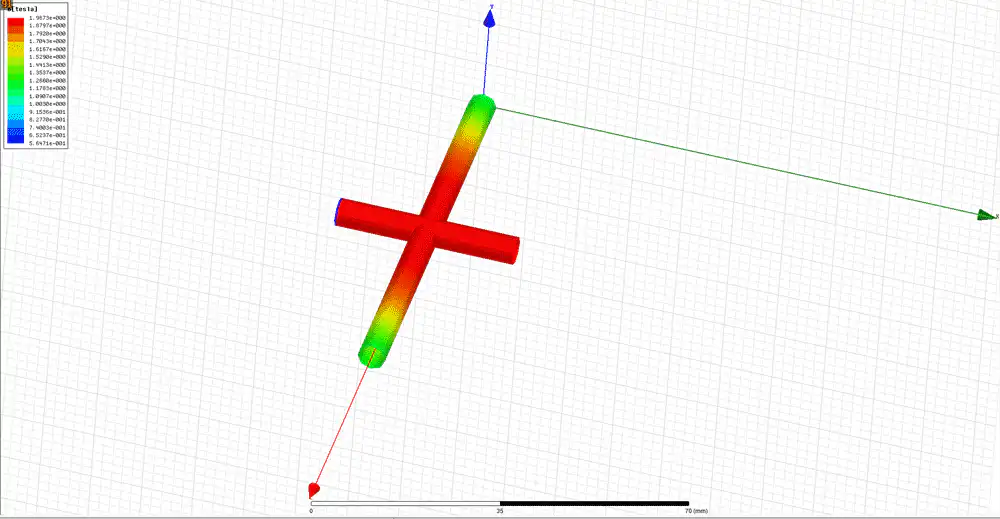
- Field lines and strength: I look for clear field lines around magnets and coils, and I sometimes explore the interaction between Earth’s magnetic field and a bar magnet as a quick direction check. I check the color scale to see strong and weak areas.
- 3D and 2D views: I switch between 2D slices and 3D models, which is exactly what you want when reviewing magnetic field simulation 3d results and checking field distribution from multiple angles.
- Numeric data: I review tables showing field strength at specific points. For example, I might see a peak of 1.2 Tesla near the magnet’s surface.
- Export options: I save images or data files for reports or presentations.
3. Benefits of Magnetic Field Simulation
A. Predicting How Magnets Will Act
Figuring Out Magnetic Field Strength and Direction
A big benefit of magnetic field simulation is helping users and buyers understand a magnet’s field strength and direction without testing it physically. This is especially useful with big or pricey magnetic assemblies where physical testing takes time and costs a lot.
Predicting Performance in Different Conditions
Magnetic field simulations can also simulate different environments and how something is used. This allows users and buyers to predict how a magnet may perform under those conditions. This helps spot possible issues ahead of time and make sure the chosen magnet or magnetic assembly will work well for its intended purpose.
B. Helping Choose Magnets
Picking the Right Magnet for What You Need
By simulating how different magnet types may perform under various conditions, users and buyers can make better informed choices about which magnet best suits their needs. For example, a buyer could use a simulation to decide between neodymium and ferrite magnets for a specific use based on how they might perform under the simulated conditions.
Judging Quality and Value
Finally, magnetic field simulations can help users and buyers determine a magnet or magnetic assembly’s quality and value. For instance, a simulation may show a more expensive magnet performs a lot better than a cheaper one for the intended purpose, suggesting the pricier magnet is worth the extra cost. On the other hand, a simulation may show a cheaper magnet performs well enough for the intended purpose, indicating it offers better value.
In short, magnetic field simulations provide useful insights to guide users and buyers in choosing magnets. They help make better informed decisions and get the most for the money.
4. Limits of Magnetic Field Simulation
A. Accuracy Concerns
Shortcomings of Simulation Models
Magnetic field simulations rely on math models that simplify how things work in the real world. These models make assumptions to make the math and computing manageable. So, there can be times when the model fails to fully capture how something works in a real-world situation, leading to inaccuracies in the results.
How Accurate the Input Is Affects Accuracy
How accurate a simulation is depends a lot on how accurate the input is. If there are errors or uncertainties in what is input (such as properties of the magnet, conditions around it, or boundary conditions), these can carry through the simulation and affect the accuracy of the results.
B. Practical Considerations
Time and Computing Power Required
Simulations, especially those involving complex systems or needing to be very accurate, can require a lot of computing power and time. This can be a limit in cases where results are needed quickly or available computing resources are limited.
Need for Expertise to Run Simulations
While user-friendly software is available, running a magnetic field simulation and understanding the results often requires a certain level of expertise. Without this expertise, there is a risk of setting up the simulation incorrectly or misinterpreting the results, which can lead to inaccurate predictions and potentially costly mistakes.
So, while magnetic field simulations are a powerful tool, these limits must be kept in mind when using the results to make decisions.
Conclusione
Magnetic field simulation is an invaluable tool that offers numerous advantages for designers and users of magnet systems.
At Osenc, we utilize magnetic field simulation to deliver high-quality bespoke magnets and magnetic assemblies. Through simulation, we can refine your design, enhance performance, preempt issues, and curtail costs, all before the commencement of the manufacturing process.
While simulations have their limitations and cannot reproduce all real-world conditions, contemporary tools have grown considerably sophisticated, precise, and accessible. At Osenc, we employ simulation to acquire a comprehensive understanding of your magnet system’s behavior and performance. Through simulation, we can create superior custom solutions more swiftly and cost-effectively. We can identify and rectify issues early in the process when they are simpler to amend.
What sets Osenc apart from many magnet suppliers is our capability to conduct magnetic field simulation services for your custom designs. In essence, if you work with magnets or magnetic systems, you will derive substantial benefits from Osenc’s magnetic simulation capabilities. It empowers you to work more efficiently, make decisions with greater confidence, and construct solutions that may have seemed unattainable otherwise.
In conclusion, magnetic field simulation offers a multitude of benefits with substantial implications. While supplementing but not superseding physical prototyping, it provides a virtual prototyping environment where we can construct, test, analyze, optimize, and improve your magnet system designs to attain peak performance. By facilitating a faster, more economical and smarter design process, magnetic field simulation is a crucial tool that Osenc uses to provide the best custom magnet solutions for you.
With Osenc as your magnet ally and magnetic field simulation at our disposal, your products will attain unprecedented levels of performance and efficiency. Allow us to cater to your magnet requirements – we possess the capability to simulate, optimize, construct, and deliver high-quality custom magnetic assemblies for you.
FAQ
What information do I need before running a simulation?
I gather these details:
- Magnet size (e.g., 60 millimeters)
- Material type (like neodymium)
- Number of coil turns
- Current value
Accurate data gives me reliable results.
Can I simulate custom-shaped magnets?
Yes, I can. Many platforms let me draw or import custom shapes. For complex designs, I ask Osenc’s engineering team for help. 🛠️
How accurate are online magnetic field simulations?
Most online tools give results within 10% of real measurements for standard setups—however, magnetic field simulation software free or magnetfeld simulation freeware options may vary more, so always validate with measurements. (In German searches you may also see the term magnetfeldsimulation.) For high-precision needs, I use advanced settings or consult Osenc.