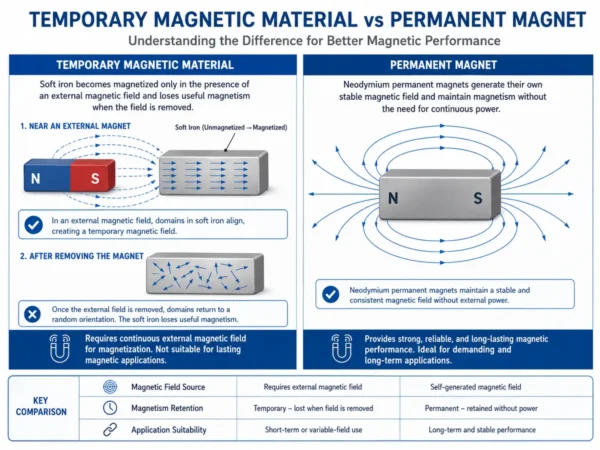







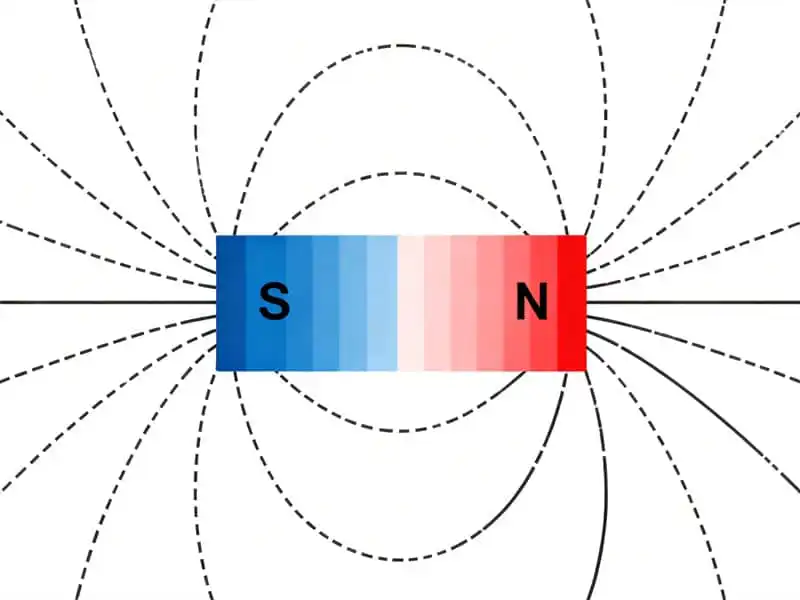
영구자석은 스스로 자기장을 형성하는 물질입니다. 내부 전자가 특정한 방식으로 정렬되어 자기장이 형성됩니다. 저는 일상에서 다양한 방식으로 영구자석을 사용합니다. 철, 코발트, 니켈과 같은 일부 금속에서는 전자의 스핀과 운동이 일정한 방향으로 정렬됩니다. 이로 인해 강하고 지속적인 자기장이 형성됩니다. 자석은 다음과 같이 여러 종류가 있습니다.
- 합금 영구자석(네오디뮴–철–붕소, 사마륨–코발트, AlNiCo 등)
- 페라이트 영구자석
이러한 자석은 가정, 자동차, 공장의 다양한 장치를 작동시키는 데 사용됩니다. 🧲
영구자석의 기초
자석이 영구적으로 자성을 유지하는 원리
영구자석은 원자 구조가 강한 자기장을 고정하기 때문에 자화 상태를 유지합니다. 🧲
영구자석은 원자와 전자의 거동을 바탕으로 작동합니다. 이러한 재료의 전자에는 짝을 이루지 않은 스핀이 있으며, 이 스핀들이 모두 같은 방향을 향합니다. 그 결과 강하고 안정적인 자기장이 형성됩니다. 스핀은 모여 자구를 형성하며, 대부분의 자구가 같은 방향을 향하면 자석은 오랫동안 강한 자성을 유지합니다.
자석이 영구적으로 자성을 유지하게 하는 주요 특성:
- 잔류성: 외부 자기장이 사라진 후에도 자석이 자화 상태를 유지하는 특성입니다.
- 보자력: 자석이 자성을 잃지 않고 견디는 정도를 나타냅니다. 보자력이 높으면 자석은 수년간 강한 자성을 유지합니다.
- 결정 자기 이방성: 자석이 안정성을 유지하고 자화 방향이 쉽게 바뀌지 않도록 하는 특성입니다.
- 열 안정성: 우수한 영구자석은 온도가 변하더라도 여러 해에 걸친 자력 감소 폭이 5% 미만입니다.
이러한 주요 특성을 보여 주는 표를 작성했습니다.
| 특성 | 설명 |
|---|---|
| 자속 밀도(B) | 자석을 통과하는 자기장의 양을 나타냅니다. |
| 자기장 세기(H) | 자석 주변의 자기장이 얼마나 강한지를 나타냅니다. |
| 자화 벡터(M) | 자석 내부 자화의 방향과 세기를 나타냅니다. |
| 보자력 | 자석이 자성을 잃지 않고 얼마나 견딜 수 있는지를 나타냅니다. |
| 자기결정 이방성 | 자화 방향을 고정하여 자석이 안정적으로 유지되도록 합니다. |
| 열 안정성 | 시간 경과와 온도 변화에도 자석이 자기 성능을 얼마나 잘 유지하는지를 나타냅니다. |
요약하면, 영구자석 재료는 높은 잔류성과 보자력을 갖추어야 합니다. 이러한 특성은 네오디뮴, 사마륨 코발트, 페라이트 자석에서 나타납니다. 이 자석들은 원자 수준의 자구가 정렬된 상태를 유지하므로 자력이 지속됩니다. 강한 자력을 유지하기 위해 외부의 힘이 필요하지 않습니다. 이러한 특성 덕분에 영구자석은 모터, 전자기기, 의료기기에 유용하게 사용됩니다. 현재 산업에서 사용되는 전체 자석 중 약 30%가 영구자석입니다. 이는 현대 기술에서 영구자석이 얼마나 중요한지를 보여 줍니다. ⚡
영구자석의 작동 원리
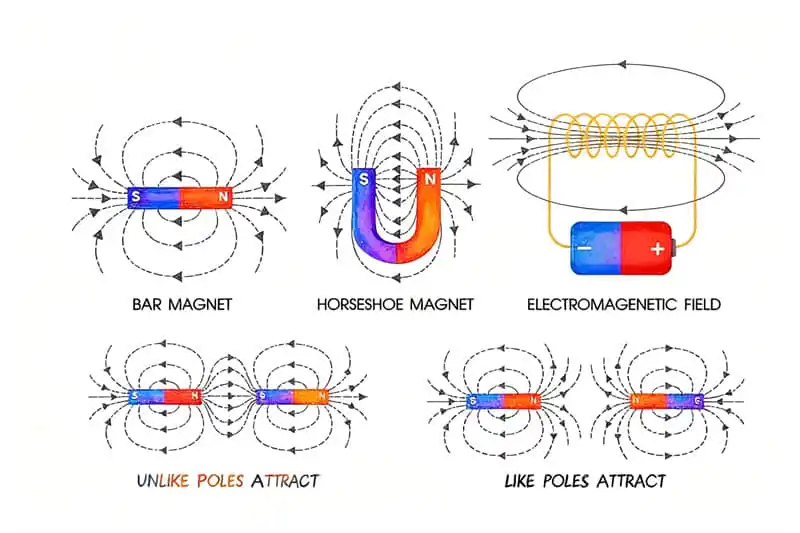
영구자석은 재료 내부에서 전자가 움직이고 정렬되는 방식으로 인해 자기장을 생성합니다. 🧲
전자는 원자 내부에 있는 매우 작은 입자입니다. 전자는 스핀 운동을 하며 각 원자의 중심 주위를 움직입니다. 대부분의 물질에서는 전자가 쌍을 이루며 서로의 스핀을 상쇄합니다. 철, 코발트, 니켈에서는 일부 전자가 쌍을 이루지 않습니다. 이러한 홀전자의 스핀은 모두 같은 방향을 향하며, 이로 인해 강한 자기 효과가 발생합니다.
영구자석이 작동하는 주요 단계:
- 원자 내 홀전자가 같은 방향으로 스핀 운동을 합니다.
- 이러한 스핀은 궤도 자기 모멘트라고 하는 미세한 자기장을 생성합니다.
- 자기 모멘트는 자구라고 하는 집단을 이루어 함께 정렬됩니다.
- 대부분의 자구가 같은 방향을 향하면 자석 전체에서 강하고 지속적인 자기장이 생성됩니다.
이러한 정렬은 우연히 일어나지 않습니다. 재료가 강자성체여야만 자구가 정렬된 상태를 유지할 수 있습니다. 외부의 힘이 사라진 후에도 정렬 상태가 유지됩니다. 이 때문에 영구자석은 오랜 기간 강한 자력을 유지합니다.
다음은 영구자석 내부에서 일어나는 현상을 간단히 정리한 표입니다.
| 단계 | 자석 내부에서 일어나는 현상 |
|---|---|
| 전자 스핀 | 홀전자가 같은 방향으로 스핀 운동을 합니다. |
| 자구 형성 | 원자 집단인 자구의 자기 모멘트가 정렬됩니다 |
| 자구 정렬 | 대부분의 자구가 같은 방향을 향해 자석이 강해집니다 |
| 지속 자기장 | 자석은 외부의 도움 없이도 자기장을 유지합니다 |
저는 다양한 기기에 영구자석을 사용합니다. 영구자석은 자력을 쉽게 잃지 않습니다. 산업에서 사용되는 전체 자석 중 약 30%가 영구자석입니다. 이는 모터, 센서, 전자기기에서 영구자석이 얼마나 중요한지를 보여 줍니다. 저는 매일 영구자석의 안정적인 자기장을 활용합니다.
자석 소재
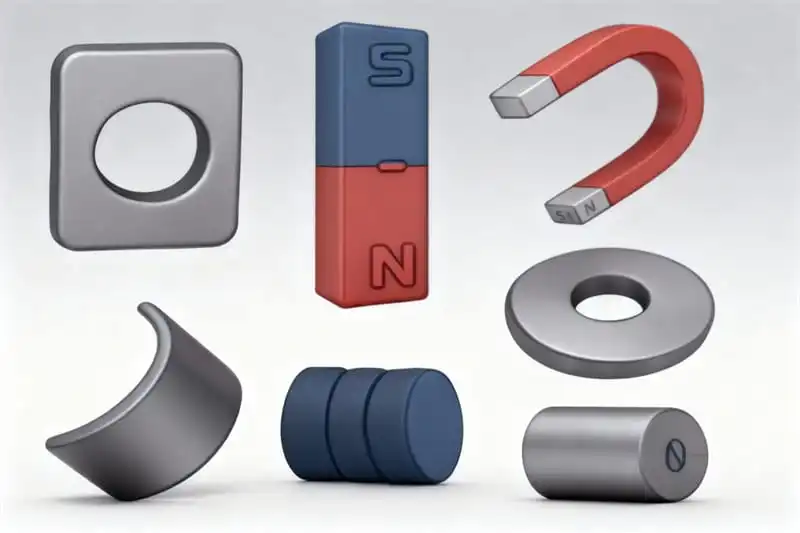
영구자석용 첨단 소재
가장 앞선 영구자석 소재는 네오디뮴-철-붕소(NdFeB)와 사마륨 코발트 같은 희토류 합금입니다. 🧲
희토류 영구자석 소재는 기술에 큰 변화를 가져왔습니다. 네오디뮴 자석은 가장 강한 자력을 지닌다는 점에서 특별합니다. 이러한 자석은 전기자동차 모터, 풍력 터빈 및 스피커에 사용됩니다. 사마륨 코발트 자석은 항공기와 군사용 장비처럼 고온 환경에서도 잘 작동합니다.
다음 표는 가장 일반적인 소재와 각 소재의 사용 비율을 보여 줍니다.
| 재질 | 조성(부피 기준) | 조성(질량 기준) |
|---|---|---|
| 네오디뮴 | 12% | 26.7% |
| 철 | 해당 없음 | 해당 없음 |
| 붕소 | 해당 없음 | 해당 없음 |
| 사마륨 | 해당 없음 | 해당 없음 |
| 코발트 | 해당 없음 | 해당 없음 |
네오디뮴과 철은 사마륨과 코발트보다 구하기 쉽습니다. 따라서 네오디뮴 자석은 가격이 저렴하고 더 널리 사용됩니다.
재료 특성과 기술적 영향
영구자석 소재의 고유한 특성은 다양한 산업의 혁신을 촉진합니다. ⚡
네오디뮴과 사마륨 코발트 같은 희토류 소재는 매우 강력한 영구자석을 구현합니다. 네오디뮴-철-붕소 자석은 자기적 성능이 가장 높아 전기자동차와 풍력 터빈에 중요합니다. 사마륨 코발트 자석은 매우 높은 온도에서도 강한 자력을 유지하므로 항공기와 군사용 장비에 사용됩니다.
첨단 영구자석 소재의 주요 효과:
- 장치 소형화
- 모터 성능 향상
- 의료 영상 성능 향상
- 가혹한 환경에서도 강한 자력 유지
희토류 원소의 원자 구조는 이러한 자석에 큰 자기 모멘트와 높은 보자력을 부여합니다. 따라서 가혹한 조건에서도 안정성과 우수한 성능을 유지합니다. 이러한 소재는 장치의 소형화와 효율 향상에 기여합니다. 산업에서 사용되는 전체 자석의 약 30%는 첨단 영구자석 소재입니다. 이는 오늘날 기술에서 이러한 소재가 얼마나 중요한지를 보여 줍니다.
영구자석의 종류
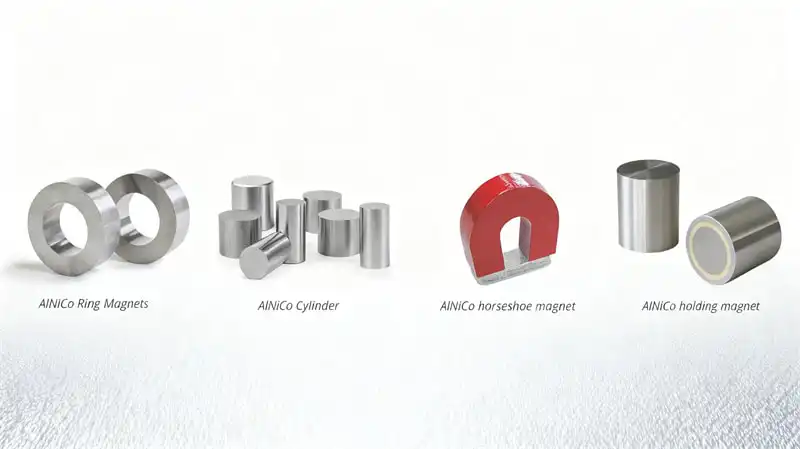
영구자석은 크게 다섯 종류로 나뉩니다. 종류별로 사용되는 재료와 용도가 다릅니다. 🧲
각 종류의 재료 조성은 다음과 같습니다.
| 자석 유형 | 재료 조성 |
|---|---|
| 네오디뮴 자석(NdFeB) | 네오디뮴, 철, 붕소 |
| 사마륨 코발트 자석(SmCo) | 사마륨, 코발트 |
| Alnico 자석 | 알루미늄, 니켈, 코발트, 철(구리, 티타늄 첨가) |
| 페라이트 자석(세라믹) | 산화철과 바륨 또는 스트론튬 |
| 연질 고무 자석 | 페라이트 분말과 고무 또는 플라스틱 바인더의 혼합물 |
네오디뮴 자석
네오디뮴 자석 가장 강력하고 가장 널리 사용되는 영구자석입니다. 💪
네오디뮴 자석은 매우 강력하기 때문에 널리 사용됩니다. 페라이트 자석보다 훨씬 강한 자기장을 형성하며, 에너지적은 50 MGOe를 초과합니다. 이러한 특성으로 첨단 기술에서 중요한 역할을 합니다. 전기차 모터와 풍력 터빈뿐만 아니라 전자기기, 스피커, 헤드폰, 의료 장비에도 사용되며, 자기부상열차에도 적용됩니다.
네오디뮴 자석의 주요 특성:
- 매우 강한 자력
- 작은 크기와 강력한 성능
- 일부 유형은 최대 230 °C에서 작동
주요 용도:
- 전기차 및 하이브리드차 모터
- 풍력 터빈
- 하드 드라이브, 휴대전화, 헤드폰
- MRI 장비 및 기타 의료기기
- 마그네틱 기어, 브레이크 및 센서
Osenc에서는 네오디뮴 자석과 관련 부품만 취급합니다. 초소형부터 초대형까지 다양한 형상과 크기가 있으며, 가혹한 환경이나 의료 환경을 위한 특수 코팅도 적용합니다. 이를 통해 자석의 성능을 안정적으로 유지합니다.
사마륨 코발트 자석
사마륨 코발트 자석은 고온에서 우수한 성능을 발휘하며 부식에 강합니다. 🔥
저는 매우 높은 온도나 가혹한 환경에 사마륨 코발트 자석을 선택합니다. 최대 260 °C(500 °F)에서도 자력을 유지하며, 온도가 높아지거나 낮아져도 자력 손실이 크지 않습니다. 항공기, 군사용 장비 및 고온 산업 현장에 사용합니다.
사마륨 코발트 자석의 장점:
- 녹에 매우 강함
- 고온에서도 강한 자력을 유지함
- 가혹한 환경에서도 견고하고 수명이 김
주요 용도:
- 항공기 및 방위 장비
- 강력한 모터 및 발전기
- 센서 및 측정 장비
- 의료 및 과학 장비
사마륨 코발트 자석은 다른 자석보다 가격이 높지만, 중요한 용도에는 그만한 가치가 있습니다.
알니코 자석
알니코 자석은 강한 자기장을 형성하며 내열성이 우수합니다. 🎸
저는 고온이나 응력이 가해지는 조건에서 작동해야 할 때 알니코 자석을 사용합니다. 알니코 자석은 알루미늄, 니켈, 코발트, 철과 소량의 구리 및 티타늄으로 구성됩니다. 녹이 쉽게 발생하지 않으며 가혹한 환경에서도 자력을 유지합니다.
알니코 자석의 주요 특성:
- 고온에서 우수한 성능을 발휘함
- 강하고 견고함
- 가혹한 조건에서도 안정적
주요 용도:
- 기타 픽업과 마이크
- 항공기 센서와 항법 장치
- 모터와 발전기
- 의료 및 과학 장비
AlNiCo 자석은 강하고 안정적이어서 오늘날에도 음악 장비, 항공기 및 공장에서 사용됩니다.
페라이트 자석
페라이트 자석은 저렴하고 녹슬지 않아 일상에서 널리 사용됩니다. 🏠
큰 자력이 필요하지 않은 용도에는 페라이트 자석을 선택합니다. 페라이트 자석은 산화철과 바륨 또는 스트론튬으로 만들어집니다. 최대 250 °C에서 작동하며 물속에서도 녹슬지 않습니다. 가격이 저렴하여 다양한 제품에 사용됩니다.
페라이트 자석의 주요 특성:
- 쉽게 녹슬지 않음
- 단단하고 자력을 유지함
- 최대 250 °C에서 작동
주요 용도:
- 냉장고 자석과 화이트보드
- 스피커 및 소형 모터
- 자동차 센서 및 ABS 브레이크
- 자력 선별기 및 기계
페라이트 자석은 가격이 저렴하여 가정용품과 자동차에 널리 사용됩니다.
유연 고무 자석
유연 고무 자석은 잘 휘어지고 원하는 형상으로 만들기 쉽습니다. 🧲✂️
휘어지거나 불규칙한 형상에 맞춰야 할 때 유연 고무 자석을 사용합니다. 페라이트 분말에 고무 또는 플라스틱을 혼합하여 만듭니다. 가볍고 튼튼하며 가격이 저렴합니다. 공예품, 장난감, 표지판 및 광고물에 사용됩니다.
유연 고무 자석의 주요 특징:
- 근거리 사용에 적합한 중간 수준의 자력
- 유연성과 내충격성
- 절단 및 형상 가공이 용이함
일반적인 용도:
- 냉장고 도어 씰 및 아이스박스
- 표지판, 라벨 및 디스플레이
- Toys, games, and crafts
- Small motors and electronics
Flexible rubber magnets are great for creative and factory uses where hard magnets will not work.
요약하면 다음과 같습니다.
I see many types of permanent magnets in life and work. Each type is best for certain jobs. Neodymium magnets are the most powerful. Samarium cobalt magnets are best for hot or tough places. Alnico magnets work well in heat and stress. Ferrite magnets are cheap and used every day. Flexible rubber magnets are good for bending and shaping.
Difference Between Electromagnets & Permanent Magnets
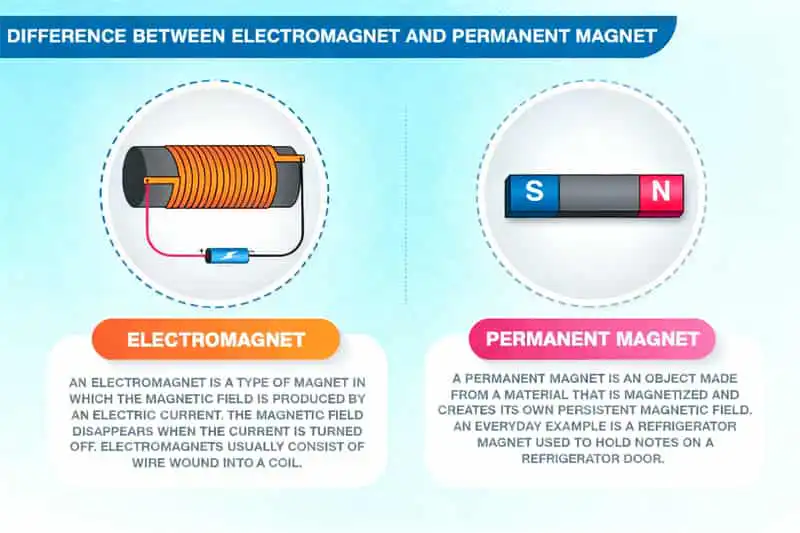
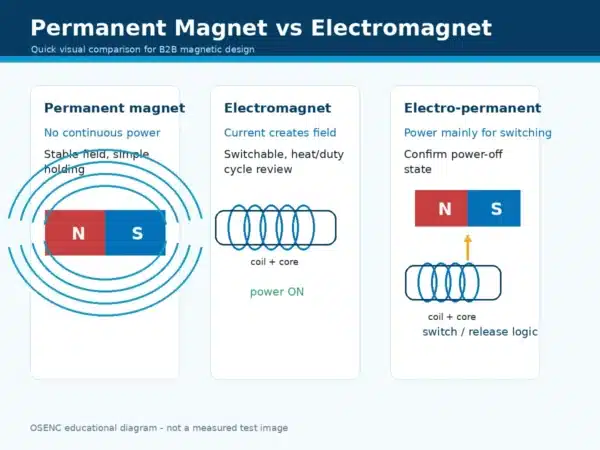
Electromagnets and permanent magnets are not the same. 🧲 They work in different ways and have their own uses. Electromagnets need electricity to make a magnetic field. Permanent magnets have a magnetic field all the time. I use both types for different jobs.
Electromagnets need electric current. Permanent magnets do not need power.
Here is a table that shows the main differences:
| 특징 | 전자석 | 영구자석 |
|---|---|---|
| Magnetic Field Generation | Electric current creates the field | Magnetic field exists naturally |
| Power Requirement | Needs power to work | Works without power |
| Magnetic Field Control | Can turn on and off | Always active |
| 자력 세기 | Can change with current | Fixed strength |
| Cost and Availability | More expensive and complex | Easier to find and cheaper |
| 적용 분야 | Used in electronics, manufacturing | Used in motors, generators, loudspeakers |
Electromagnets can be stronger than permanent magnets if I use enough current. I can change how strong they are. I can also turn them on or off. This is good for machines that need switching. I use electromagnets in cranes, MRI machines, and relays.
Permanent magnets always have a magnetic field. I use them in motors, generators, and speakers. They do not need power, so they save energy. About 30% of all magnets in industry are permanent magnets. I count on them for steady work.
Key points to remember:
- Electromagnets need electricity; permanent magnets do not.
- I can switch electromagnets on and off.
- Permanent magnets work all the time.
- Electromagnets fit jobs that need control.
- Permanent magnets fit jobs that need steady power.
I pick the right type for each job. If I need to control the magnet, I use electromagnets. If I need a magnet that is always strong, I use permanent magnets. Both types help me make better machines and devices. ⚡
Applications of permanent magnets
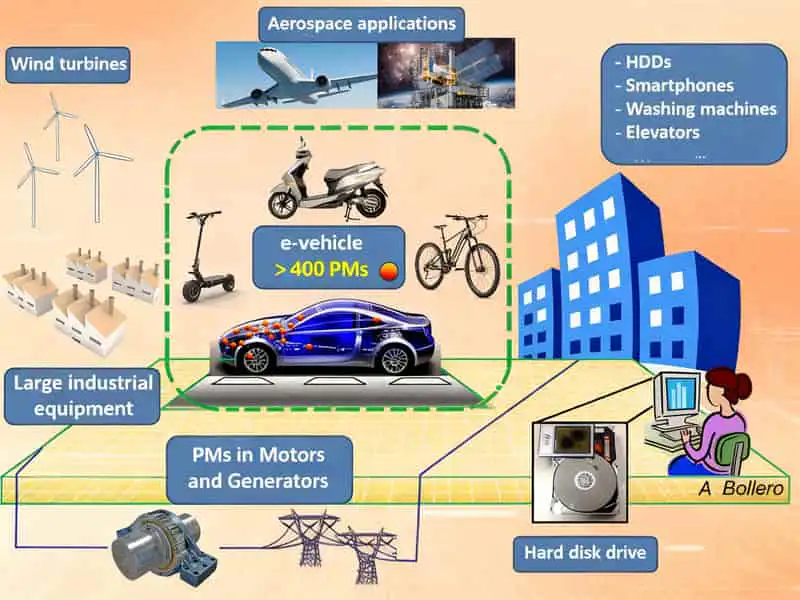
Household and everyday uses
Permanent magnets power many household items I use every day. 🏠
These magnets are in things like kitchen tools, electronics, and toys. They help doors stay shut, save information, and make sounds. The market for these magnets in homes was $22.18 billion in 2023. It may grow to $39.71 billion by 2030. This shows they are very important in daily life.
Here is a table showing common household items and how magnets work inside them:
| Household Item | 기능 |
|---|---|
| Refrigerators | A small magnet in the door keeps it closed tightly. |
| Hard Disk Drives | Three magnets help read/write data and spin the disk. |
| Doorbells | Magnets interact with solenoids to make sound when pressed. |
| Microwave Ovens | Magnets in the magnetron create waves to heat food. |
Magnets are also in speakers, headphones, and some toys. These uses of permanent magnets make my life easier and more dependable.
Industrial and automotive applications
Permanent magnets drive innovation in factories and vehicles. 🚗🏭
I use these magnets in motors, sensors, and machines that work by themselves. They help machines work well and safely. In factories, magnets sort materials, lift heavy things, and power robots. In cars, they make driving safer and help cars use less energy.
- I see permanent magnets in:
- Motors for robots and machines
- Magnetic separators for sorting materials
- Lifting tools for heavy objects
- In cars, I use magnets for:
- Anti-lock brakes (ABS)
- Electric car motors (neodymium magnets for better power)
- Fuel pumps, airbag parts, and steering sensors
These uses of permanent magnets help factories and cars save energy and work better. I often pick special coatings for magnets in tough places, like hot or wet spots. Osenc makes strong coatings and custom parts, so magnets last longer and work well in hard jobs.
Electronics and medical devices
Permanent magnets play a key role in modern electronics and medical technology. 💻🩺
I use magnets in computers, phones, and medical machines. They help store data, make sound, and power sensors. In medical tools, they help doctors find and treat problems safely.
- In electronics, I find magnets in:
- Hard drives and speakers
- Microphones and sensors
- Smartphones and tablets
- In medical devices, I rely on:
- MRI machines (strong magnets for pictures inside the body)
- Magnetic drug targeting for careful treatment
- Cochlear implants and dental tools
- Magnetic tools for surgery
- Magnet-based health monitors you can wear
MRI machines use permanent magnets to make strong, even fields for pictures. Neodymium magnets have the highest energy product, so they are great for advanced medical tools. I often choose special coatings for magnets in medical devices to keep them safe and stop rust. Osenc gives these advanced choices for medical and electronic uses.
Advanced engineering and research
Permanent magnets enable breakthroughs in engineering and scientific research. 🧑🔬⚙️
I use magnets in new projects, from new materials to high-tech machines. Research teams make new permanent magnets with advanced methods. They want to use less rare earth elements. For example, the VCU Permanent Magnet Research project looks at other metals like iron, cobalt, nickel, and manganese.
| Project | 설명 |
|---|---|
| VCU Permanent Magnet Research | Developing new magnets with additive manufacturing to reduce rare earth use. |
I also use magnets in particle accelerators, maglev trains, and special sensors. These projects need magnets in special shapes, sizes, and coatings. Osenc helps engineers design, test, and make custom magnets for research and new technology.
팁: I always think about temperature, size, and tough conditions when picking magnets for special uses. Advanced coatings and custom solutions from Osenc help me meet strict needs in cars, medical tools, electronics, and research projects.
A permanent magnet makes its own magnetic field and keeps it for years. There are five main types. These are neodymium, samarium cobalt, alnico, ferrite, and flexible rubber. These magnets help in daily life and in factories.
- Permanent magnets are in home appliances and electronics.
- In hospitals, they are in MRI machines and hearing aids.
- In cars and planes, they power motors and sensors.
- In green energy, they help wind turbines and solar panels.
Neodymium magnets made devices smaller and stronger. I use rare earth permanent magnetic products for better electric cars, speakers, and wind turbines. Permanent magnets are everywhere. They help shape the world and industry today.
A permanent magnet is a material that keeps its magnetic field without needing power.
자주 묻는 질문
What is the strongest type of permanent magnet?
Neodymium magnets are the strongest permanent magnets. 💪
I use these magnets in motors, electronics, and medical devices. Their energy product can go over 50 MGOe. This makes them about 30% stronger than other types.
How long does a permanent magnet last?
A permanent magnet can last for decades. ⏳
Most magnets lose less than 5% of their strength over many years. If used the right way, they keep their power for more than 30 years.
Where do I use permanent magnets most often?
I use permanent magnets in motors, sensors, and electronics.
Here is a quick list:
- Electric car motors 🚗
- Speakers and headphones 🎧
- MRI machines 🩺
- Household appliances 🏠
Can permanent magnets lose their magnetism?
Yes, permanent magnets can lose magnetism.
Some things can make magnets weaker:
- High temperatures above their safe limit
- Strong magnetic fields that go the other way
- 물리적 손상
In normal use, they lose less than 5% of their power.
What coatings protect permanent magnets?
I use nickel, zinc, epoxy, PTFE, and gold coatings.
| 코팅 | Use Case |
|---|---|
| 니켈 | General protection |
| PTFE | Corrosive environments |
| 금 | Medical devices |
| 에폭시 | 전자기기 |