






Magnetic Drum Separator Manufacturer

연속 철계 물질 분리용 자석 드럼 분리기

OSENC builds magnetic drum separators around your material, particle size, throughput, working gap and line layout. We design the magnetic circuit, drum shell, pole arrangement, splitter and discharge path as one system, then manufacture the separator to the approved project specification.

Build Options
Magnetic SystemFerrite / Neodymium
ProcessDry Drum / Dedicated Wet Drum
Pole ConfigurationAxial / Radial / Application-Specific
Construction304 / 316 Stainless Options
Send Your Material & Drawing

Send the material, particle size, normal and peak throughput, moisture or slurry condition, target magnetic fraction, available space and your current line drawing.

Magnetic drum separator for continuous ferrous separation

From Your Process Data to a Buildable Separator

You do not need to guess the drum size, magnet type or pole layout before contacting us. Send the process information you already have. We turn it into a separator configuration that fits the material and the line.

You Send

  • Material and particle-size range
  • Normal and peak throughput
  • Moisture or slurry condition
  • What you need to remove or recover
  • Available space and inlet/outlet position
  • Existing chute, conveyor or line drawing

OSENC Defines

  • Dry or dedicated wet drum route
  • Ferrite or NdFeB magnetic system
  • Magnetic circuit and pole layout
  • Drum geometry, shell and working gap
  • Splitter and discharge arrangement
  • Installation interfaces and inspection points

Have a sketch, photo or old equipment drawing? Send it with the material data.

Let OSENC Configure the Drum

How an OSENC Magnetic Drum Separates Material

The magnetic core stays fixed while the stainless drum shell rotates. Magnetic particles are pulled to the shell and carried through the active magnetic zone. Non-magnetic material follows its normal discharge path. The captured magnetic fraction drops away after it leaves the effective field.

That gives you continuous separation without stopping the line for manual cleaning. The result still depends on how the material reaches the drum, how deep the feed layer is, the working gap, drum speed and splitter position.

OSENC engineering rule: A bigger Gauss number by itself does not make a better separator. We design the magnetic field, feed presentation, working distance, drum speed and splitter together.
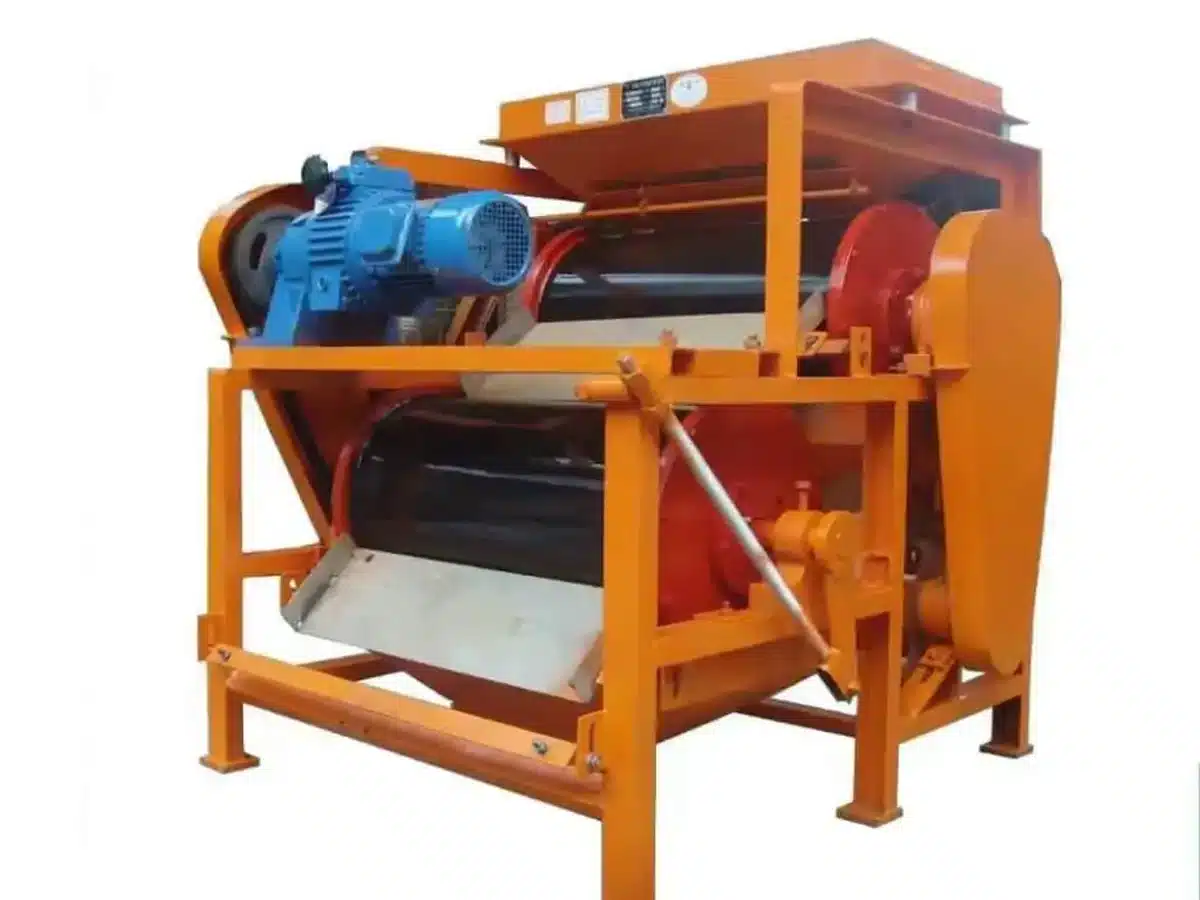
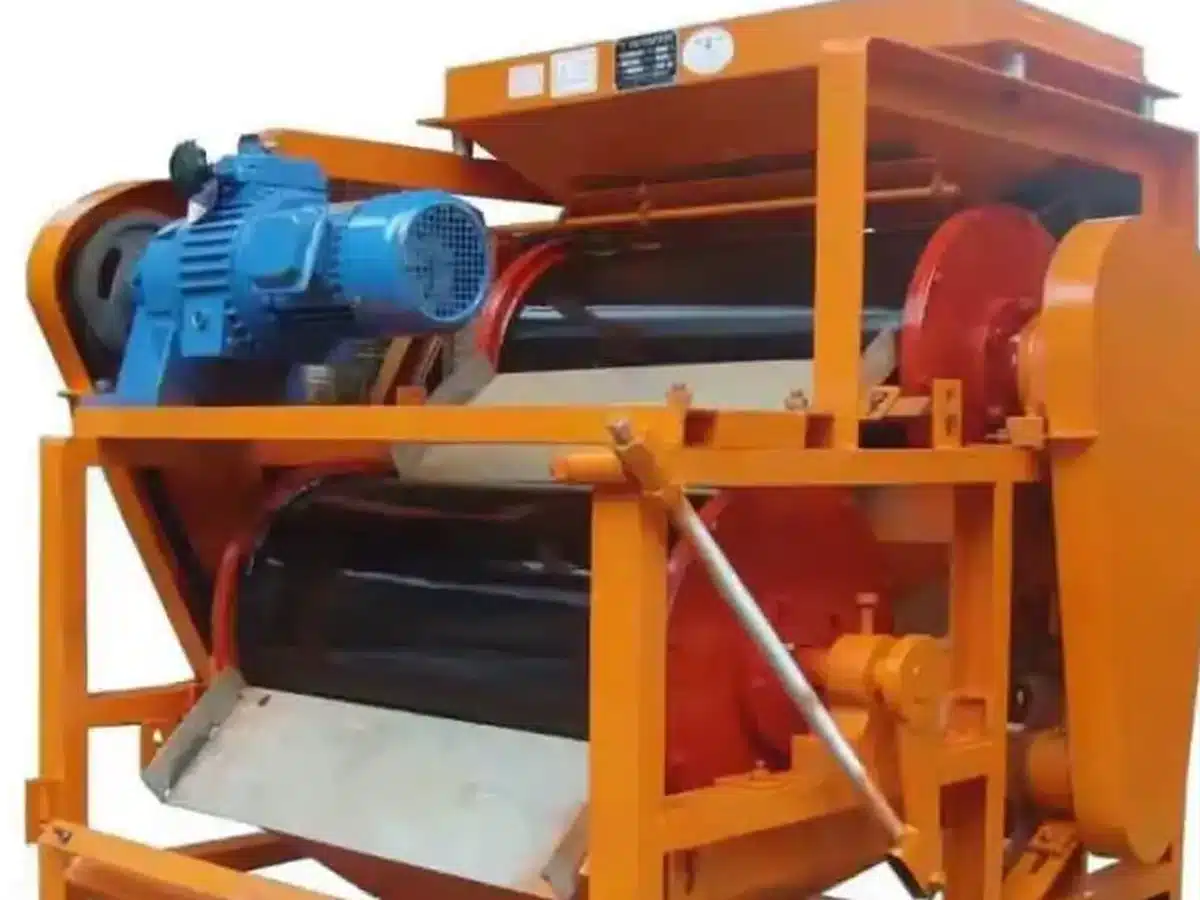
Dry magnetic drum separator equipment used to illustrate continuous separation

When We Recommend a Magnetic Drum, and When We Don’t

Process ConditionOSENC Direction
Continuous free-fall bulk materialUse a magnetic drum when you need continuous capture and automatic discharge.
Ferrous separation at a conveyor dischargeUse a magnetic head pulley when the separation point is already at the conveyor discharge.
Simple chute contamination removalUse a plate magnet when the job is simple chute protection and automatic discharge is not needed.
Large tramp iron above a conveyorUse a suspended or overband magnet when large ferrous pieces need to be pulled out before downstream equipment.
Slurry or wet mineral streamUse a dedicated wet drum with a purpose-built tank, flow path and magnetic discharge arrangement.
We do not push every job into a drum separator. If a pulley, plate or suspended magnet is the better fit, we will tell you before we quote the machine.

Not sure which separator fits your line?

Send Us the Application

How We Configure Your Magnetic Drum Separator

We start with the material and the line, not with a fixed catalog model. These are the inputs we use to lock the drum configuration.

What We Check중요한 이유
Feed materialMaterial type, density, abrasiveness and flow behavior affect how the feed reaches and leaves the drum.
Particle conditionParticle size, fines, tramp-metal size and moisture or slurry condition change magnetic response and feed behavior.
Separation targetWe first lock whether the job is tramp-iron removal, product cleaning, equipment protection or magnetic recovery.
ThroughputNormal and peak feed rate, feed width and burden depth tell us how much material the drum must handle at once.
자기 시스템Ferrite or NdFeB is selected together with the magnetic circuit, working gap and target particle response.
Pole layoutThe pole layout is part of the magnetic circuit design. We match it to the required field distribution and discharge behavior.
Mechanical designDrum geometry, shell, splitter, drive, bearings and wear protection are matched to the process.
InstallationInlet and outlet positions, maintenance clearance and available footprint are built around the line interface.

Already have a chute or line drawing?

Send It for Review

Dry Drum vs Dedicated Wet Drum

Dry and wet drums use the same basic magnetic-separation idea, but they are not the same machine. We do not take a dry drum, add liquid and call it a wet separator.

ConfigurationBest Starting PointKey Inputs
Dry DrumDry powders, granules, chips, shredded material, minerals and other bulk solids.Particle size, burden depth, abrasiveness, tramp-metal size, throughput and feed method.
Dedicated Wet DrumSlurry and liquid-carried mineral or process streams.Solids concentration, particle size, slurry behavior, flow rate, recovery target and tank/discharge arrangement.
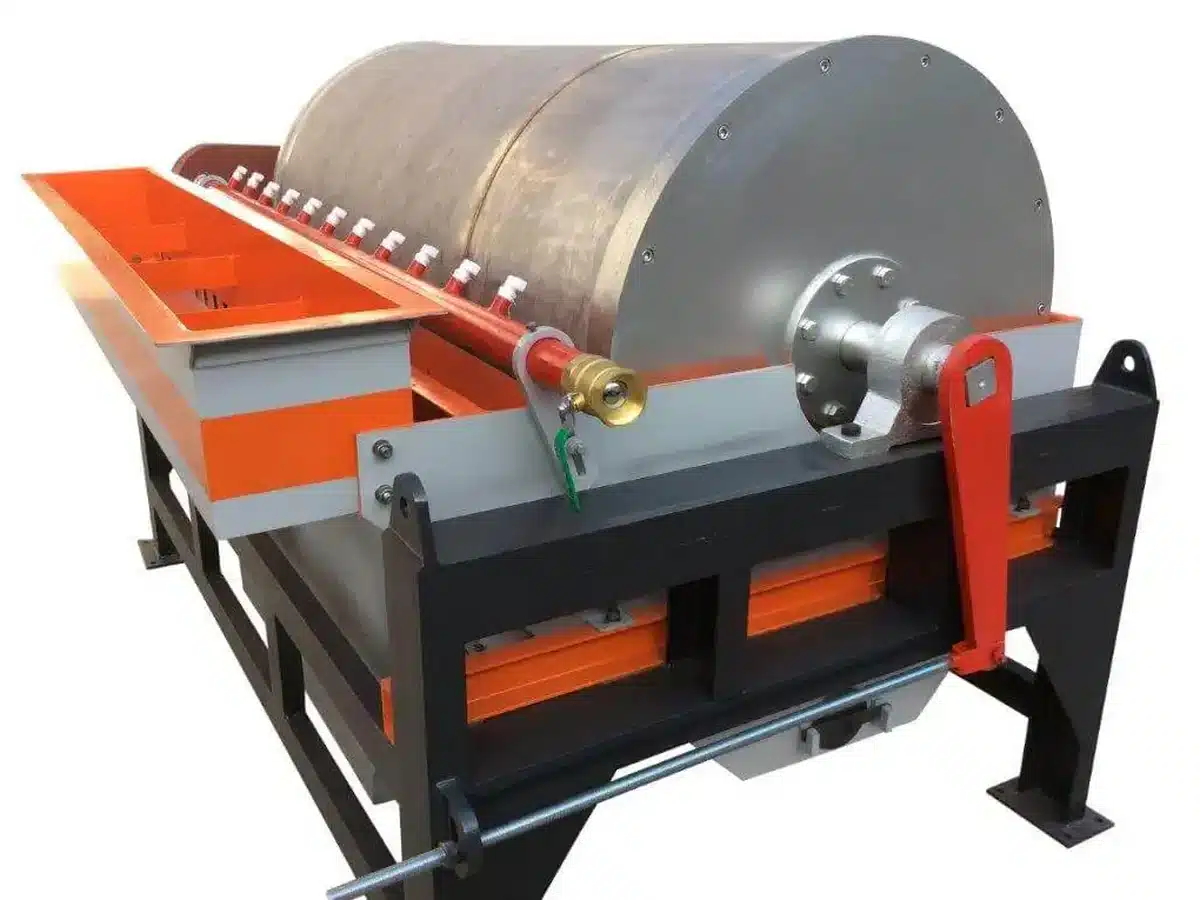
Dedicated wet magnetic drum separator equipment for slurry processing
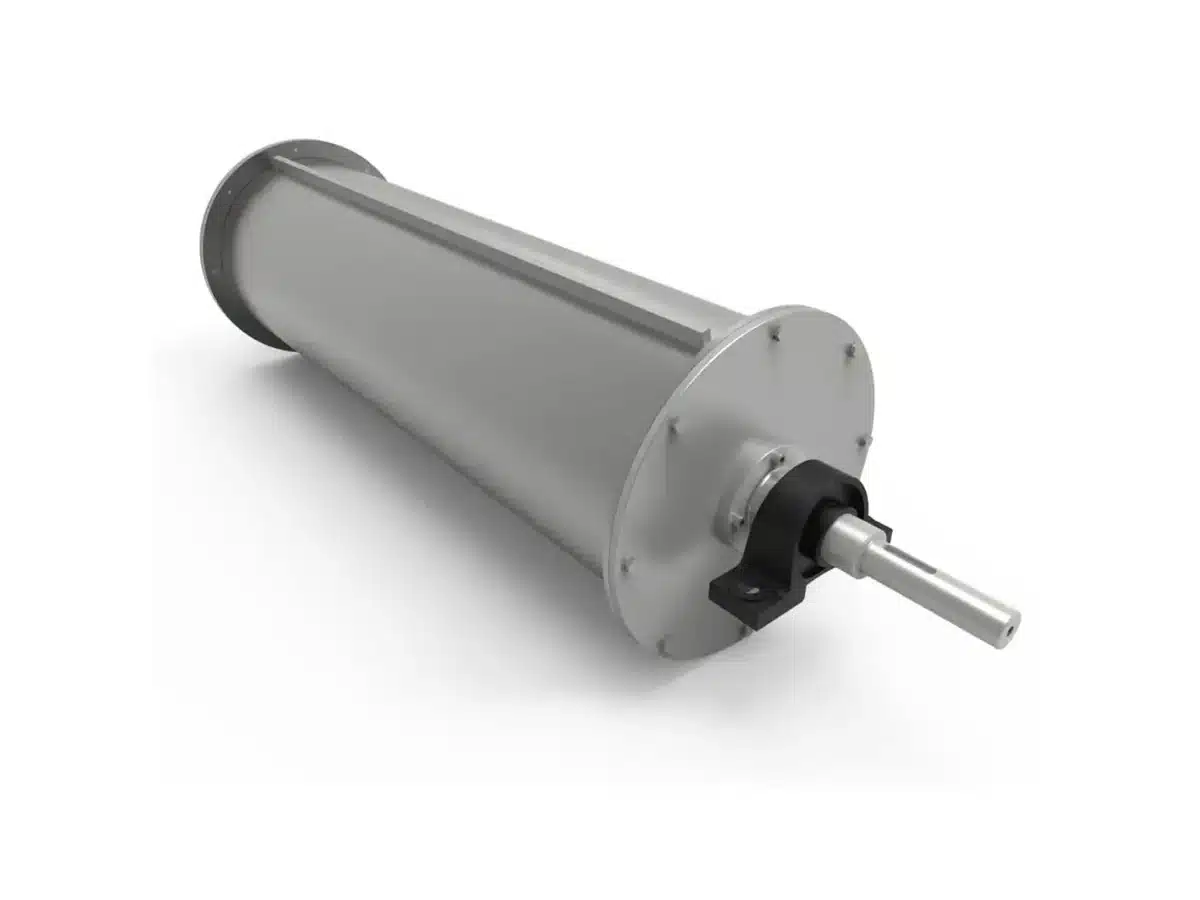
Magnetic drum separator shell drive and frame detail

Ferrite vs NdFeB Magnetic Systems

OSENC selects ferrite or neodymium from the material response, working distance, feed layer and separation target. We do not reduce the decision to which magnet has the larger Gauss number.

페라이트

We use ferrite systems where strongly ferromagnetic contamination can be handled efficiently by the designed magnetic circuit and the application favors a robust permanent-magnet system.

NdFeB

We use NdFeB when the job needs higher magnetic intensity or field gradient within the available working gap, especially for smaller or less strongly responsive magnetic particles.

How We Choose

We select the magnet material together with the magnetic circuit, working distance, feed depth and drum geometry. Magnet grade alone does not define separator performance.

Axial, Radial and Project-Specific Pole Layouts

Axial Pole Layout

An axial layout is one option when the project calls for a particular field pattern across the working width. We confirm the final layout from the material, magnetic target and discharge behavior.

Radial Pole Layout

A radial layout is another option when the required field distribution follows the material path around the drum. The final pattern is set as part of the complete magnetic circuit.

Project-Specific Layout

We do not choose a pole pattern as an isolated catalog option. Magnetic arc, working gap, particle path and discharge behavior are reviewed together before the circuit is locked.

Air Gap, Shell Thickness and Feed Depth

Magnetic force at the target gets weaker as the working distance grows. On a drum, that distance is not just “air gap.” It also includes the shell, wear protection and the material layer on top of the drum.

Shell Thickness

A thicker shell puts the target particle farther from the magnetic circuit.

Wear Protection

Wear liners protect the drum, but they also add to the magnetic working distance.

Feed Depth

A deeper feed layer moves the upper part of the material farther from the strongest field.

Drum Speed

Drum speed changes how long material stays in the active zone and where each fraction drops, so it must match the feed and separation target.

Gauss needs a test condition. If magnetic flux density is an acceptance item, we define where it is measured and under what drum condition.

Where We Use Magnetic Drum Separators

Material / ProcessSeparation GoalOSENC DirectionCritical Input
Shredded recycling materialRemove or recover ferrous materialDry magnetic drumBurden depth, iron size, throughput and abrasiveness
Wood chips / biomassRemove nails, screws and ferrous contaminationDry permanent drumFeed depth, moisture and contaminant size
Mineral finesMagnetic recovery or concentrationEngineered dry or wet routeMagnetic response, liberation size, feed depth and recovery target
Slurry mineral streamRecover a magnetic fractionDedicated wet drumSolids concentration, flow, particle size and recovery objective
Plastics / glass recyclingRemove ferrous contaminationDry magnetic drumFines, contaminant loading, feed presentation and cleanliness target
Cement / aggregatesProtect downstream equipment from tramp ironDry magnetic drum where line layout suits continuous dischargeLargest iron piece, burden depth, abrasiveness and downstream equipment

Built Around Your Line, Not Pulled from a Catalog

We build the drum, magnetic circuit, splitter, housing and installation interfaces around the agreed process and line drawing. We do not force every job into one fixed separator layout.

  • Stationary permanent magnetic core
  • Rotating stainless-steel drum shell
  • Ferrite or neodymium magnetic system
  • Adjustable splitter / discharge control
  • Wear protection for abrasive service
  • Dry or dedicated wet process architecture
  • Application-specific feed and discharge interfaces

Shell design, wear protection and housing details are matched to the process so the mechanical build does not create an unnecessary working gap or maintenance problem.

What We Inspect Before Shipment

We inspect the separator against the approved project specification. We check the items that affect installation, operation and the agreed magnetic acceptance conditions, not just whether the drum can rotate.

CheckWhat We Control
치수Drum, housing and line interfaces against the approved drawing.
RotationRotation direction and basic no-load mechanical operation.
Magnetic fieldProject-specific magnetic measurement when the order includes a defined test position and acceptance condition.
Materials / shellAgreed stainless and wear-related construction against the project specification.
Splitter / dischargePosition and adjustment against the approved mechanical design.
Drive configurationMotor, reducer or speed-control function when these items are included in the order.

What to Send Us for a Fast, Useful Quote

재질

Material name, particle-size range, moisture or slurry condition, temperature if relevant and abrasiveness if known.

Separation Goal

Tell us what needs to be removed or recovered, the approximate contaminant loading and what result you are trying to reach.

Line Information

Send normal and peak throughput, feed width, available space, inlet/outlet elevations and any line or chute drawing you already have.

Send the Job to OSENC

We will turn your material data and line constraints into a practical magnetic drum configuration and quote the machine around the approved scope.

Request a Magnetic Drum Quote

Magnetic Drum Separator FAQ

자력 드럼 분리기의 크기는 어떻게 선정합니까?

드럼 크기는 재료, 입자 크기, 정상 및 최대 처리량, 투입 폭, 원료층 깊이, 작동 간극과 설치 공간을 기준으로 결정합니다. 처리량만으로 드럼 크기를 선정하지 않습니다.

How should Gauss be specified for a magnetic drum?

Gauss needs a measurement position and test condition. If magnetic flux density is an acceptance item, we define where it is measured and under what drum condition so the value can be checked again.

Can I use a dry magnetic drum for wet material?

Not as a general rule. A wet drum needs its own tank, flow path and discharge arrangement. We treat dry and dedicated wet drums as different mechanical systems.

What happens if the feed layer is too thick?

A thicker burden moves part of the material farther away from the magnetic circuit. That can reduce the useful magnetic effect on particles in the upper part of the feed, so feed presentation and burden depth are part of the drum design.

When should I use a magnetic head pulley instead of a drum?

Use a head pulley when the magnetic separation point is naturally at the conveyor discharge. Use a drum when you need a separate rotating magnetic separator with its own feed and discharge arrangement.

What do you need before you design the drum?

Send the material, particle-size range, normal and peak throughput, moisture or slurry condition, target magnetic fraction, available space and any existing line or chute drawing. That is enough for us to start the configuration review.

이번 달 최신 가격 및 사양 받기

빠른 견적 받기(가격 + 리드 타임)

최신 가격, 사양, MOQ 및 배송 옵션을 받아보십시오. 스팸 없이 필요한 정보만 보내드리며, 3-6시간 이내에 답변드립니다.