







Magnetic Coupling Magnet Selection
Magnetic couplings magnets must be selected as part of a working magnetic circuit, not as isolated catalog parts.
In a coupling, useful performance depends on the torque target, working gap, barrier material, temperature, pole layout, magnetization direction, coating, tolerance and assembly method. Osenc supports custom neodymium magnets and magnetic assemblies for coupling projects that need drawing review, sample discussion or application-based magnet selection.
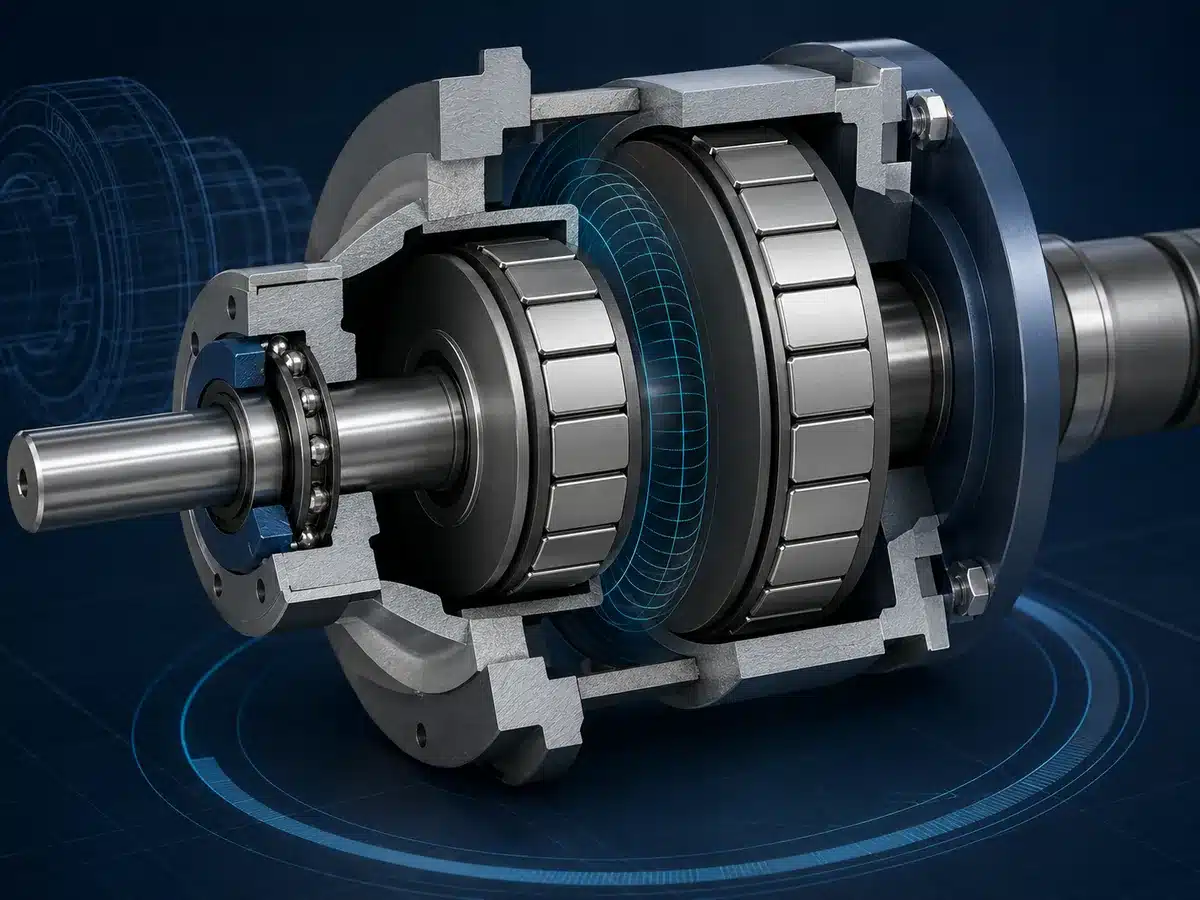
Application Decision
A magnetic coupling transfers torque across a gap or containment barrier without direct mechanical contact between the driving and driven sides.
That means the magnet cannot be selected only by size, grade, pull force or surface field. Pull force and surface field can be useful reference data, but they should not be treated as the same thing as coupling torque in the final assembly.
The actual result depends on the complete structure, including gap, pole layout, active magnetic area, barrier material and test condition. For this reason, magnetic couplings magnet selection should begin with the application requirement, not only a catalog magnet size.
This page does not claim a fixed torque value, universal grade, guaranteed temperature limit or final coupling performance. Osenc can review the magnet requirement when the buyer provides the drawing, working gap, barrier material, operating condition and expected test method.
Magnetic Circuit Context
The magnet specification depends on where the magnet sits in the coupling structure and how the magnetic circuit crosses the working gap or barrier.
| Coupling area | What to confirm | 중요한 이유 |
|---|---|---|
| Inner rotor | Magnet shape, pole layout, bonding method and clearance. | Small dimensional changes can affect assembly clearance and magnetic alignment. |
| Outer rotor | Active magnetic area, magnet quantity, magnetization direction and tolerance. | The outer side must match the magnetic circuit and available installation space. |
| Air gap or barrier | Gap size, containment wall material, wall thickness and temperature exposure. | The gap and barrier can reduce magnetic interaction and change the required magnet design. |
| Magnet assembly | Fixture, adhesive, sleeve, housing, coating and inspection condition. | Loose magnets and assembled coupling components have different procurement risks. |
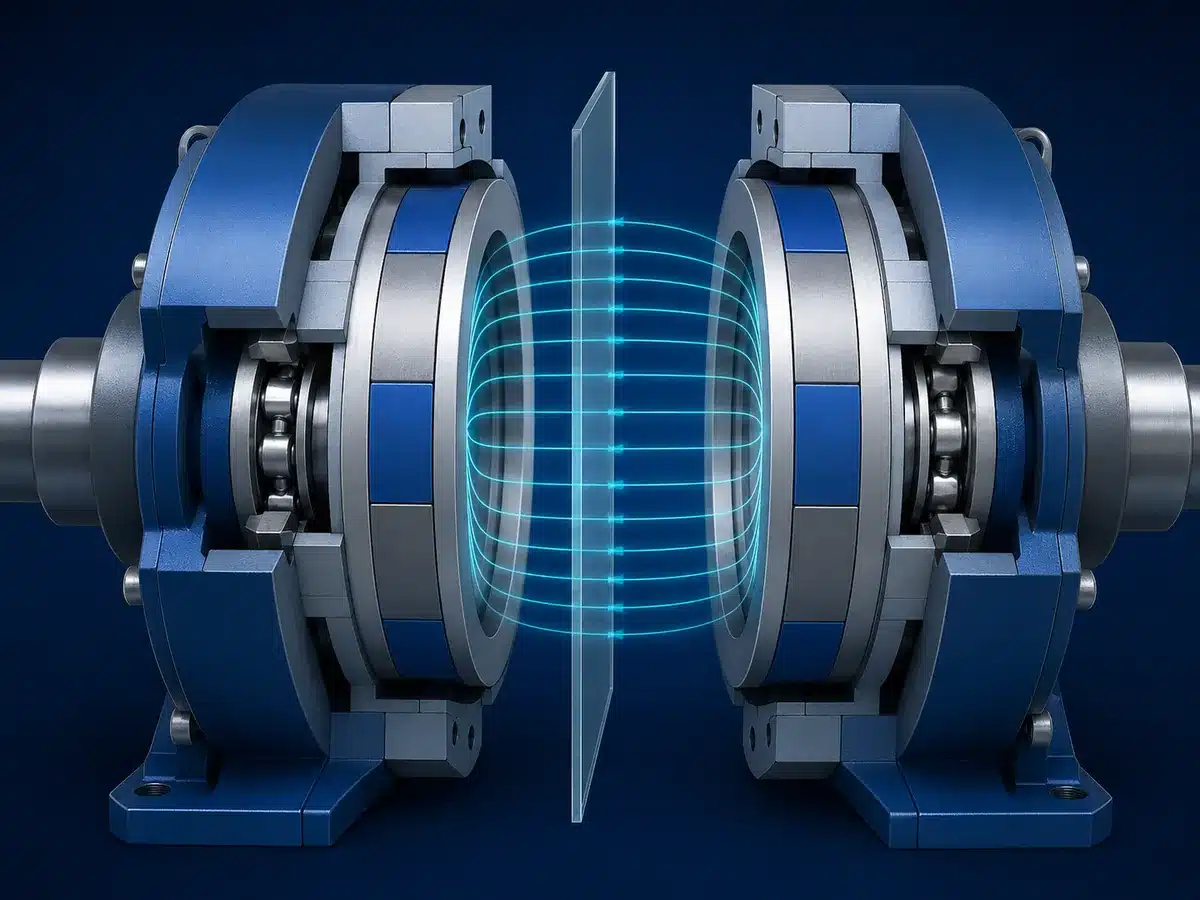
Selection Factors
For custom magnets for magnetic couplings, the best starting point is a complete working condition review.
Provide the expected torque, safety margin requirement and test condition when available.
Confirm the air gap, containment wall material, barrier thickness and clearance limits.
Temperature affects magnet grade selection and should be reviewed before final material choice.
Magnet tolerance, coating thickness and adhesive method can affect assembly fit and long-term stability.
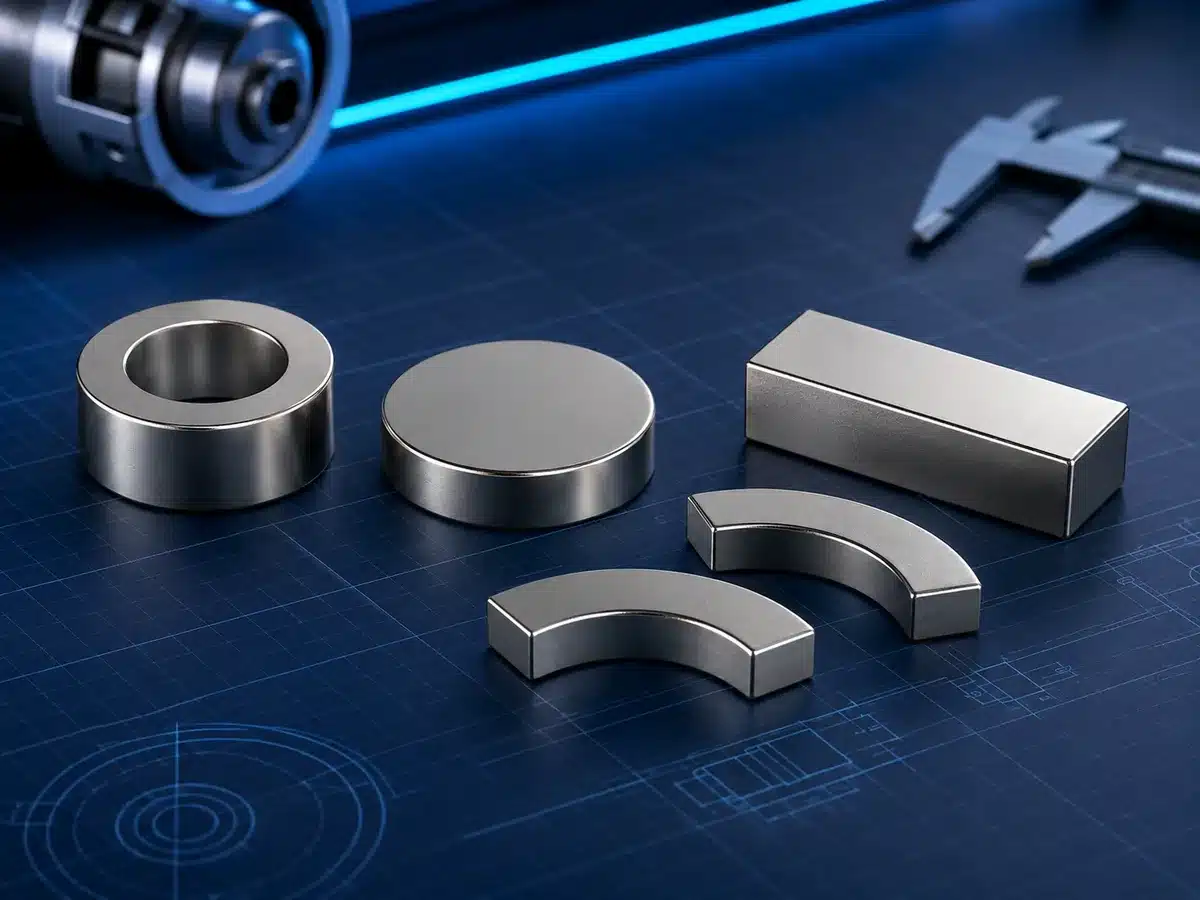
Magnet Geometry
Magnetic couplings may use different neodymium magnet shapes depending on the rotor geometry, pole layout, available space and assembly method.
Often reviewed for concentric coupling layouts where a continuous annular geometry is required.
Useful when the coupling design needs separated pole pieces around a circular path.
Can be considered for compact layouts, prototypes or special magnetic circuit structures.
May be reviewed for rectangular pole pieces, fixtures or custom coupling subassemblies.
Material Review
A higher neodymium magnet grade is not automatically the right answer for every magnetic coupling. Grade, coating and magnetization direction need to match the magnetic circuit and operating environment.
Grade choice should be reviewed against torque target, available volume, working gap and thermal exposure. Osenc should not select a grade from keyword data alone.
Coating selection depends on corrosion risk, bonding method, clearance and handling conditions. See 네오디뮴 자석 코팅 options for related material decisions.
Magnetization direction must match the coupling layout. It should be confirmed from the drawing before sample production.
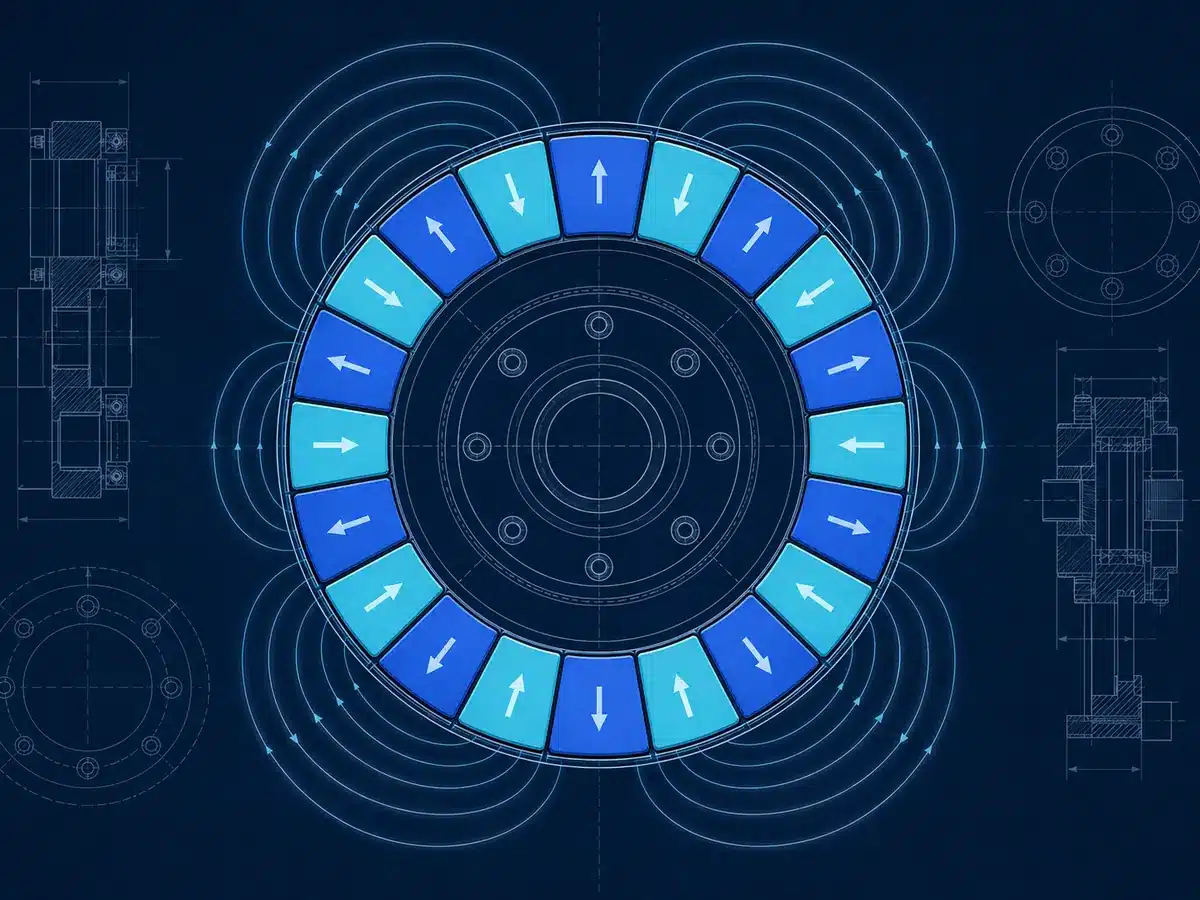
Pull force and surface field can help describe a magnet, but coupling performance depends on the complete magnetic circuit, test setup and mechanical structure. For RFQs, include the target torque or functional test condition whenever possible.
Procurement Decision
Some buyers only need custom neodymium magnets. Others need help reviewing the magnet assembly, fixture, housing, adhesive, sleeve or inspection method.
Suitable when the buyer already controls the housing, bonding, inspection and assembly process.
Useful when alignment, bonding, sleeve fit or repeatable assembly quality is part of the purchasing risk.
Recommended when the coupling has a defined torque target, barrier, gap, temperature or special magnetization requirement.
Osenc Review Path
The review process is designed to turn an application problem into a clear magnet specification or sample discussion.
Send the coupling type, drawing, target torque, working gap, temperature and environment.
Review shape, grade direction, coating, tolerance and magnetization against the structure.
Confirm sample quantity, inspection notes and the functional test condition before sampling.
Lock the drawing, quantity, packaging and assembly requirement after the sample direction is clear.

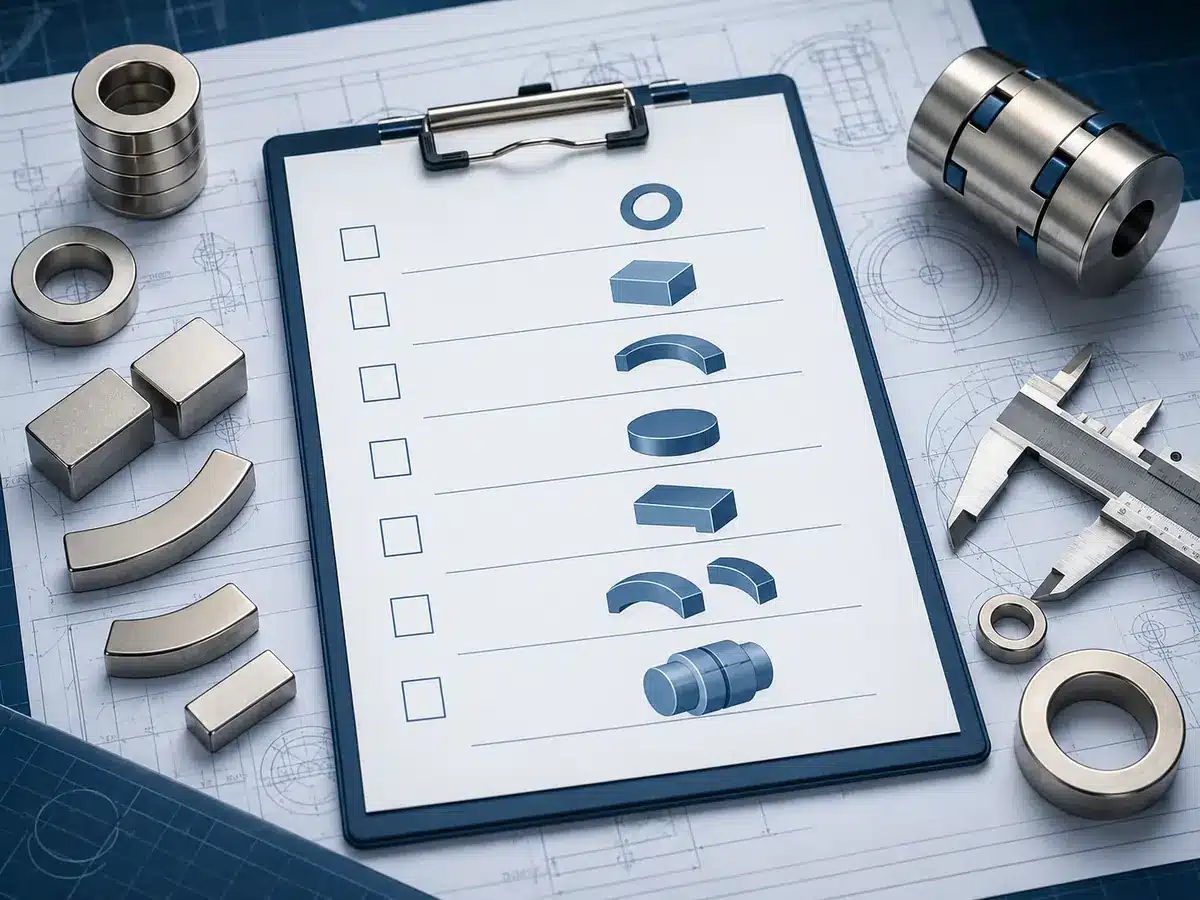
RFQ Checklist
Complete input helps Osenc review the custom magnet requirement more accurately and reduces avoidable sampling risk.
Related Capabilities
Use these pages to compare Osenc magnet capabilities before sending a coupling drawing or sample requirement.
자주 묻는 질문
많은 마그네틱 커플링에는 영구자석이 사용되며, 제한된 공간에서 높은 자기 성능이 필요할 경우 네오디뮴 자석이 흔히 검토됩니다. 최종 선정은 목표 토크, 간극, 온도, 격벽 재질 및 어셈블리 구조에 따라 달라집니다.
아니요. 네오디뮴 자석은 강한 자기 성능을 낼 수 있지만, 소재를 선정하기 전에 작동 온도, 사용 환경, 부식 위험 및 기계적 구조를 검토해야 합니다.
공극 또는 격리 장벽은 구동측과 피동측 사이의 자기 상호작용에 영향을 줍니다. 간극이 클수록 자석 체적, 극 배열, 유효 면적 및 시험 조건을 더욱 면밀히 검토해야 하는 경우가 많습니다.
No. Pull force is not the same as coupling torque. It can be useful reference data, but coupling performance depends on the full magnetic circuit, gap, barrier, pole layout and test setup.
There is no single best shape. Ring magnets, segment magnets, disc magnets, block magnets and custom shapes may all be reviewed depending on the coupling layout and assembly method.
Loose magnets may be enough if you already control assembly. If alignment, bonding, sleeve fit or repeatable inspection is part of the risk, a magnetic assembly review may be more suitable.
Send the drawing, magnet dimensions, working gap, target torque or test condition, operating temperature, barrier material, coating requirement, magnetization direction, sample quantity and production quantity.
Osenc can help review magnet shape, grade, coating, magnetization direction, working gap, test condition and assembly risk before sampling. Include your drawing, sample details, target torque and operating conditions for a more useful RFQ discussion.