






자석은 시간이 지나면 닳을까요? 마찰과 마모가 물리적 물체에서처럼 자석을 기술적으로 “방전’시키는 것은 아니지만, 지속적으로 작용하는 여러 요인으로 인해 자력이 시간에 따라 감소할 수 있습니다.
자석은 시간이 지나면 닳을까요??
일상적으로 사용하면서도 가정이나 산업 환경에서 자석이 닳는지 궁금할 수 있습니다.
그렇지만 매우 느리게 진행됩니다. 페라이트, 알니코, 사마륨-코발트, 네오디뮴 등의 영구자석은 배터리나 전구처럼 수명이 다하는 것은 아니지만, 불리한 환경에서는 자력이 서서히 감소할 수 있습니다.
현대의 영구자석은 대부분 적절히 보관하고 사용하면 수십 년 동안 거의 동일한 착자 상태를 유지합니다.
따라서 열, 물리적 충격, 부식 또는 강한 역방향 자기장에 노출되면 자구 배열이 흐트러지거나 재료가 손상되어 자력 감소가 빨라질 수 있습니다.
따라서 냉장고 자석이 사용 수명 중에 파손될 가능성은 낮지만, 환경 요인과 시간의 경과에는 여전히 영향을 받습니다.
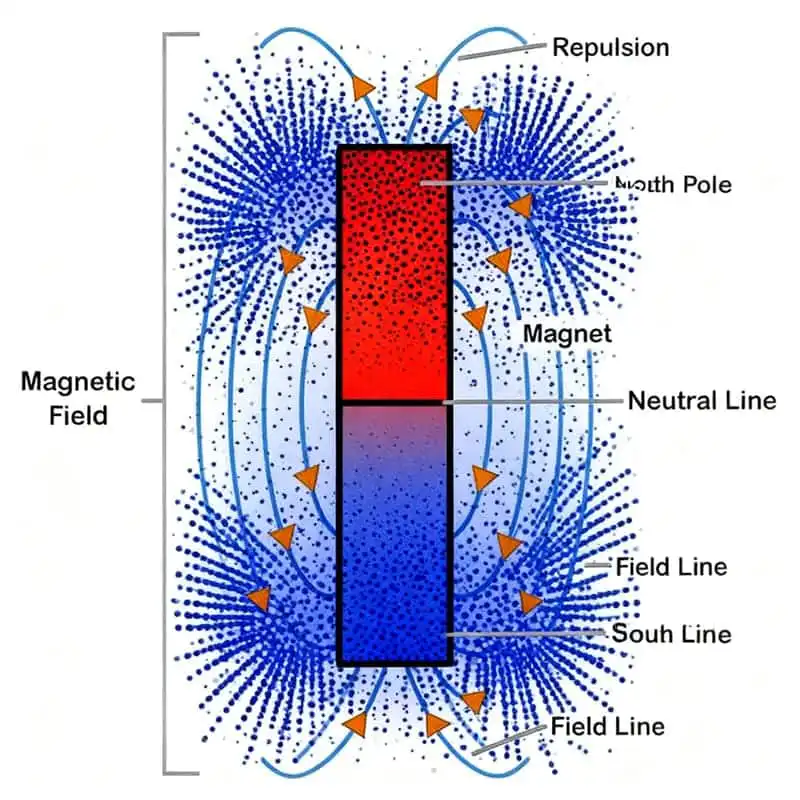
자석의 수명: 닳기까지 얼마나 걸릴까요?
자석의 “수명’은 적합한 환경에서 사용하는 고품질 영구자석이 정상 조건에서 초기 자력의 상당 부분을 유지하는 기간으로 설명하는 것이 가장 적절합니다. 안정적으로 보관할 경우 10년 이내에 측정 가능한 수준으로 자력이 감소할까요? 일반적으로 감소량은 극히 미미합니다.
일부 자료에 따르면 이상적인 조건에서 자력 감소율은 10년마다 1% 미만입니다.
자석 수명에 영향을 미치는 요인
- 극한 온도: 열은 물질을 완전히 또는 부분적으로 파괴할 수 있습니다.
- 물리적 충격: 떨어뜨리거나 충격을 가하면 자구 배열이 흐트러집니다.
- 반대 자기장: 자기장에 장시간 노출되면 극성이 약해질 수 있습니다.
- 습기와 부식은 철계 자석의 구조를 약화시킵니다.
이러한 요인은 흔히 묻는 질문인 ‘응력을 받거나 부적절하게 보관하면 자석의 수명이 더 빨리 단축됩니까?’에 대한 답이기도 합니다.
자석 수명 연장
- 자석의 수명을 연장하려면:
- 기계적 응력과 심각한 사고를 피하십시오.
- 녹 방지를 위해 보호 코팅을 적용하십시오.
- 반대 방향의 자기장 발생원을 피하십시오.
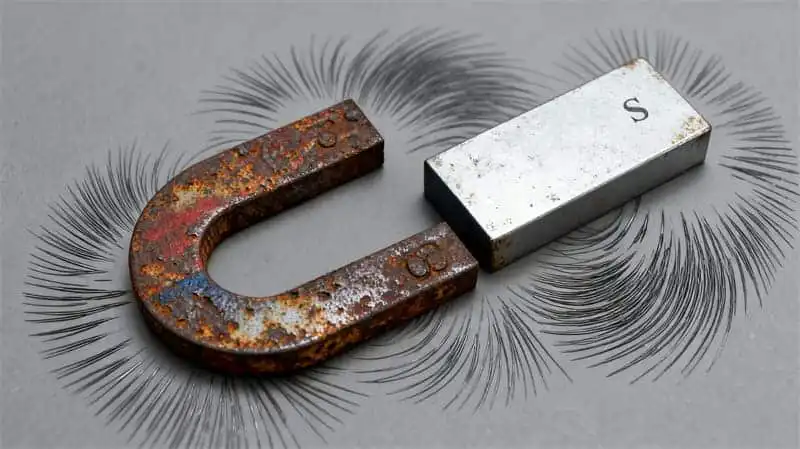
- 보관 중 자구 정렬을 유지하려면 연철봉인 키퍼를 사용하십시오.
- 적절히 관리하면 품질이 좋은 경자석은 수십 년, 심지어 수백 년간 사용할 수 있습니다.
자석 수명에 영향을 미치는 주요 요인:
온도: 정격 최대 작동 온도를 초과하면 비가역적인 자구 정렬 불일치가 발생해 자석에 변화가 나타납니다. 예를 들어 약 80 °C에서 일반적인 여러 네오디뮴 등급 begin to degrade permanently.
Corrosion: Damage to protective coatings causes oxidation, which weakens the magnetic material, especially in neodymium magnets, which are fragile and contain iron. (wholesale neodymium magnets)
Non-magnet Strong external magnetic field or opposite direction: Degeneration can be accelerated if the magnet is subjected to 30 alternating fields or sits in a field that opposes its magnetism.
Mechanical damage or physical shock: Sticking or splitting can weaken the magnetic material by reducing its effective strength.
Neo-magnets. In essence, magnets don’t “expire” like milk, but how long they retain their full strength depends on their treatment and environment.
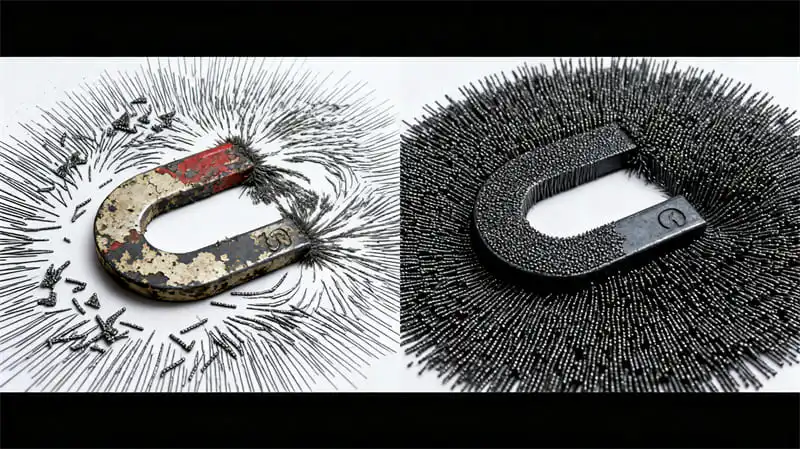
How long do neodymium magnets last?
Common types of rare earth magnets (neodymium, NdFeB) have a fairly long lifespan if properly maintained.
According to the study, a high-quality neodymium magnet can retain most of its magnetic strength for 30 to 50 years under low-stress conditions at normal room temperature. Under ideal conditions, they may actually lose less than 5% of their strength over a century. (Recommended read: 네오디뮴 자석의 자력은 얼마나 강한가)
Do Magnets Wear Out in Neodymium (NdFeB) Grades?
Yes, but very slowly under the right conditions. Commonly used neodymium, iron, and boron (NdFeB) magnets, among the strongest permanent magnets on the market, retain a high proportion of their initial strength. When properly packaged and used according to specifications. Even then, the practical answer to Do Magnets Wear Out remains “very slowly,” unless abused by heat, shock, or corrosive humidity.
These are some examples of common numbers:
- In one study, NdFeB magnets exposed to the outside for about 12 years showed a flux loss of 1% in 30 years and about 1.3% in 50 years.
- Another explanation is that under most circumstances, you can estimate an age of more than 20 years with less damage. However, under unfavourable conditions (e.g., extreme heat, humidity, or shock), it can be as short as a few years.
- According to a general question, if not overheated, typical neodymium magnets can lose about 1% of their strength in 10 years.
Tips
- Keep outside the upper temperature range recommended by the manufacturer and store in a cool, dry place.
- Protect the cover from being damaged or wet.
- Strong external magnetic fields, including those representing the orientation of magnets
- Prevent fragile magnet material from bending, sticking, or physically impacting.
- By doing this, you can improve the “throw” of your neodymium magnet.
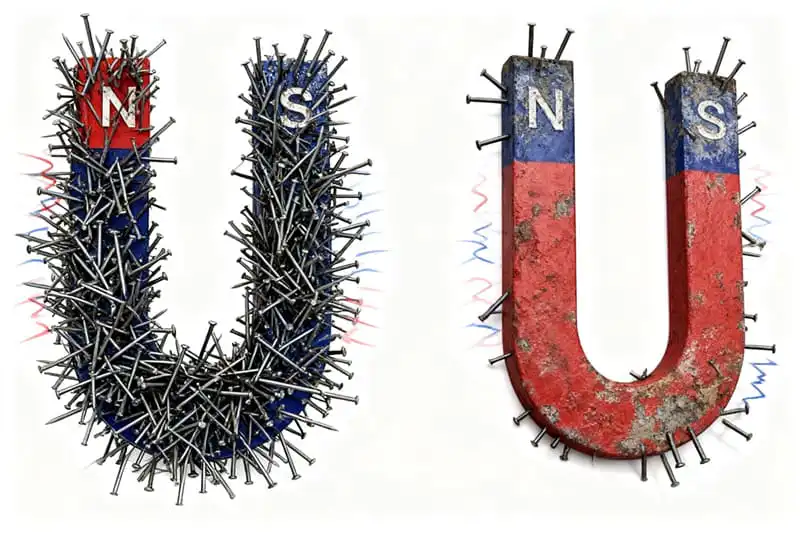
How to make magnets last longer
Magnets are powerful devices used in everything from refrigerators and scientific instruments to speakers and motors. Although permanent magnets can last for years, they can gradually lose their strength due to poor storage and exposure to the elements.
This post describes tried-and-true techniques for protecting and maintaining magnet strength if you’re wondering how to extend their life.
- Proper care and storage of the magnet are essential if it is to remain strong for many years. First, because both can cause problems with internal magnetic alignment, magnets should be kept away from extreme heat and strong opposing magnetic fields.
- Especially for older magnetic types, such as Alnico, placing the magnets with cappers. Soft iron bars attached to the poles can help preserve their magnetic field and prevent demagnetisation.
- Physical protection is also important, as microscopic cracks created by dropping, hitting, or scratching the magnet can disrupt the neat arrangement of the magnetic Si domains within.
- A protective coating can prevent corrosion, a primary factor in long-term deterioration in rare-earth magnets such as neodymium.
- Typically, a magnet can last for decades in a stable environment that is cool and dry and mechanically soft.
What can cause a magnet to lose its magnetic properties?
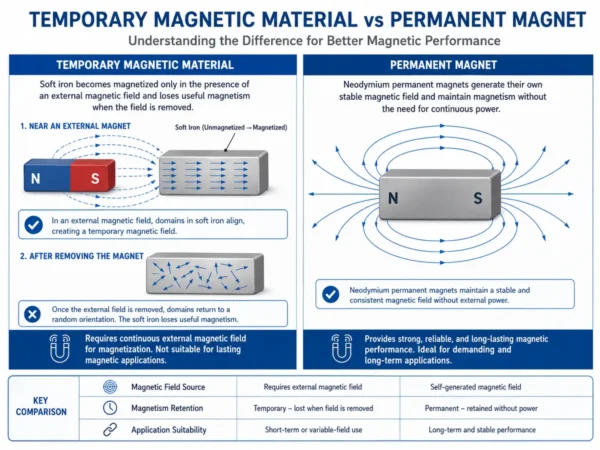
When the internal domain alignment is disrupted, magnets lose their magnetic properties. They have several reasons.
Volume loss
A magnet’s magnetic field decreases when it physically loses material due to wear, corrosion, or abrasion. Because less magnetic material is available to generate a force.
네오디뮴 자석 exposed to moisture and lacking protective coatings are particularly susceptible to this. Lower magnetic strength is a direct result of reduced volume.
External demagnetizing fields
A magnet can also weaken when exposed to strong external magnetic fields. For example, two magnets with opposite poles can partially demagnetise each other over time. (Recommended reading: 네오디뮴 자석의 자력은 얼마나 강한가)
Magnetic fields generated by electric current in adjacent devices can cause a disturbance in the magnet’s domain, which gradually reduces its strength.
열
One of the most important variables affecting the performance of a magnet is temperature. The internal structure of the magnet changes, and it permanently loses its ability to attract electricity when heated above a certain threshold, sometimes called the Curie temperature in weak materials.
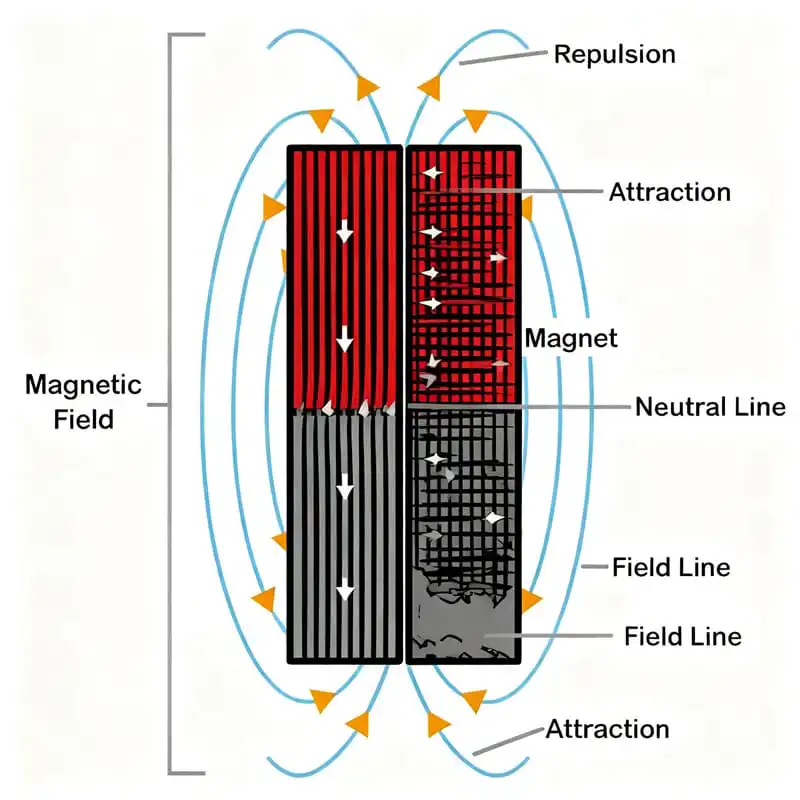
Magnetic stability
The material and structure of a magnet determine how stable its magnetic field is. Neodymium, samarium (NdFeB), cobalt (SmCo), and Alnico magnets are examples of permanent magnets that last for many years, sometimes decades.
But even the strongest magnets can lose their strength over time. The internal magnetic domains of a magnet are small sections that point in the same direction. This has been done incorrectly over time, which causes this damage.
This alignment can be disrupted by things like extreme heat, physical trauma, or exposure to opposing magnetic fields, which reduces the magnet’s total strength.
An important factor in magnetic stability is temperature. Every magnet has a Curie temperature, which is the point at which it completely loses its ability to attract.
Samarium-cobalt magnets can withstand temperatures above 300°C (572°F), but neodymium magnets lose their ability to magnetise at 80°C (176°F). A magnet can become permanently demagnetised if it is operated near or above its Curie temperature.
Magnet storage and considerations
The long-term strength of a magnet depends on proper storage. Magnetic fields can be weakened by demagnetisation or by attracting metal debris when they are stored carelessly.
Important elements of magnetic storage
- Humidity
- 온도
- 물리적 영향
- Corrosion interference with magnetic fields
Things to consider when using magnets
- The safety of the individual: Strong magnets can pinch a finger. Wear gloves when working with large magnets.
- Office and Home Safety: Children and dogs should not be near magnets. Avoid placing magnets near electronic storage devices.
How to prevent demagnetization
- Prevent high temperatures:
Magnets should not be near heat sources, as this can cause their domains to reattach and reduce their magnetic strength.
- Reduce mechanical shock:
Micro-fracture or misalignment caused by dropping or bumping of the magnet may result.
- Store with keepers:
Place soft iron keepers on the poles of the bar magnets. By doing this, field loss is avoided, and its magnetic circuit is protected.
- Stay away from hostile fields:
Magnets should not be near strong electromagnetic fields that could reverse their polarity.
- Dry environment:
Store magnets in a dry place to prevent them from rusting, especially neodymium magnets that are prone to rust.
결론
Although magnets can weaken over time, it usually happens very slowly, over decades under normal conditions. Magnets can be kept strong and active for many years with proper handling, temperature management, and storage. Knowing how to preserve
Magnetic stability, in addition to extending the life of magnets, guarantees their reliability in critical applications, such as household appliances and research instruments.
By protecting the magnet from heat, collisions, and opposing fields, its magnetic strength can be preserved for decades. Magnetization can also help a disabled person recover.
Simply put, magnets “wear out,” yet with proper care, they can remain magnetized for nearly a lifetime.
자주 묻는 질문
Can magnets be remagnetized?
In many situations, it is possible to remagnetize the magnets. During the procedure, a powerful external magnetic field oriented in the desired direction is applied to the magnet.
예:
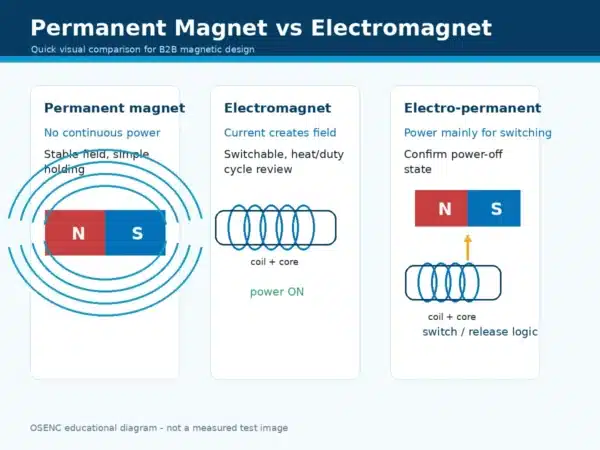
Special coils or electromagnets are used in industrial demagnetization to increase or restore magnet strength.
Although the effect is usually mild, small-scale techniques such as rubbing a strong magnet against a weak one can sometimes increase its magnetisation.
So, complete demagnetization may not be possible if the internal structure of the magnet is damaged (e.g., by heat or fracture).