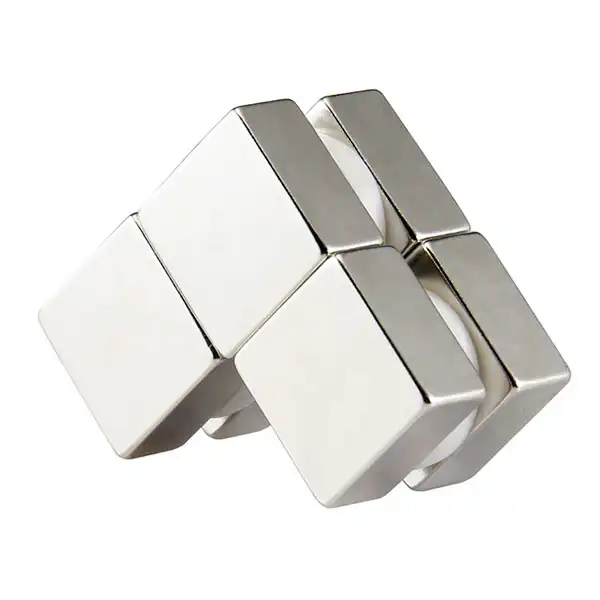
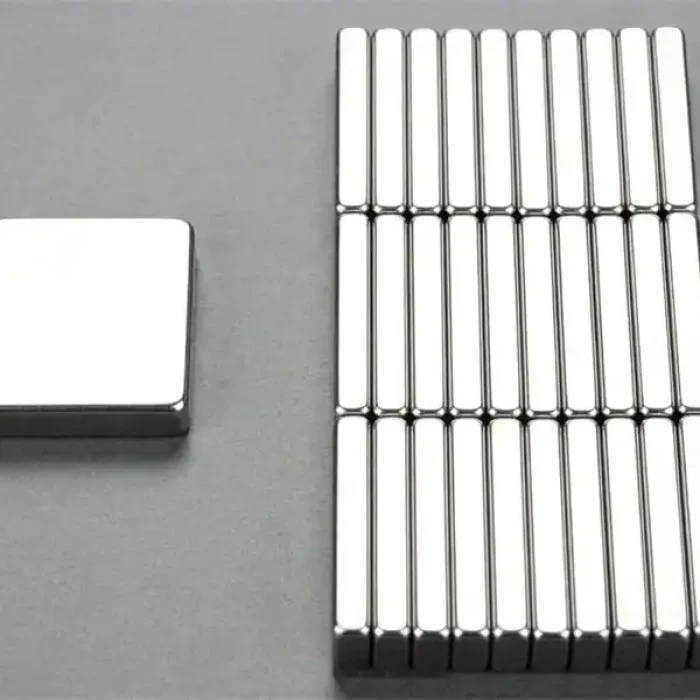
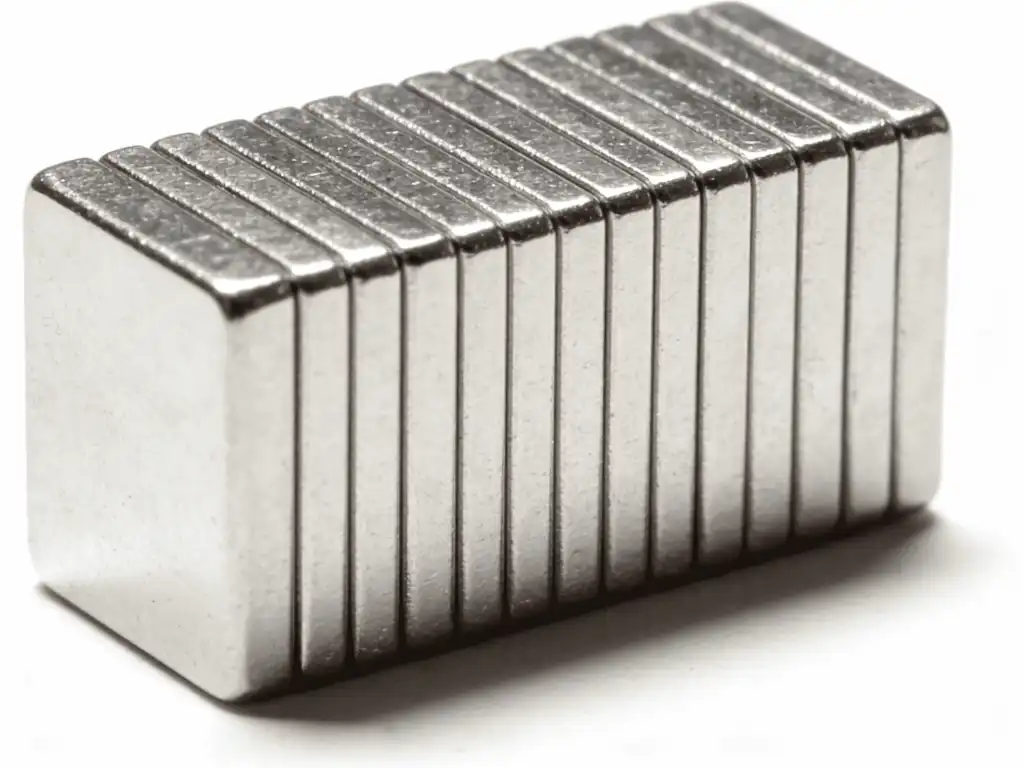
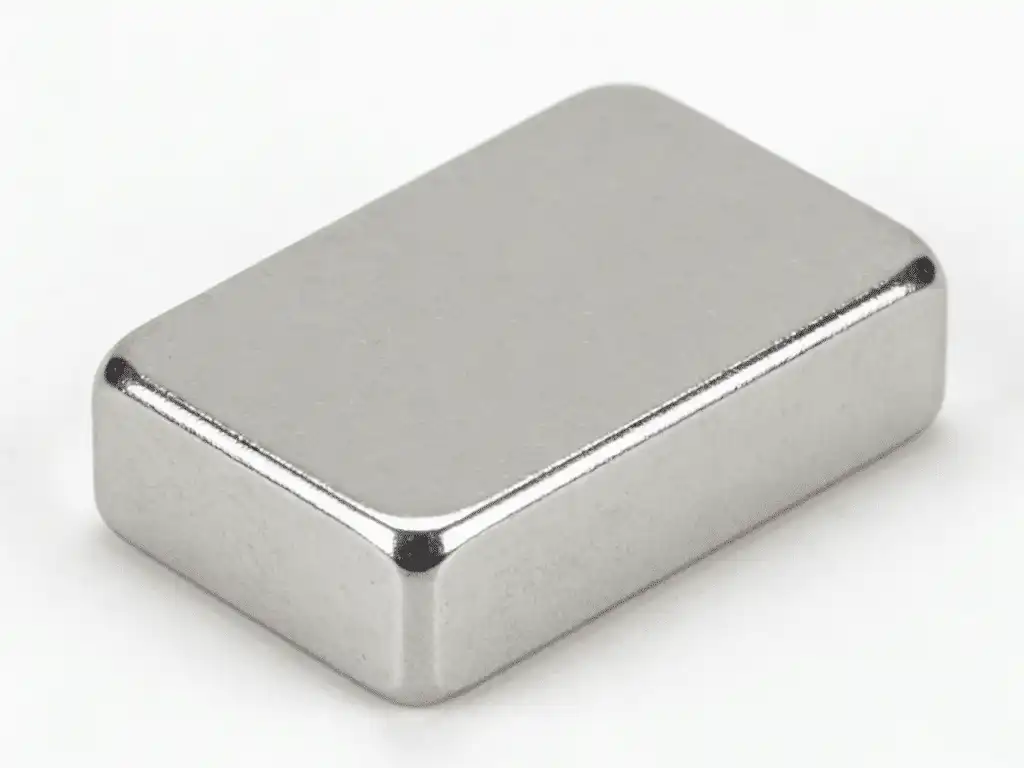
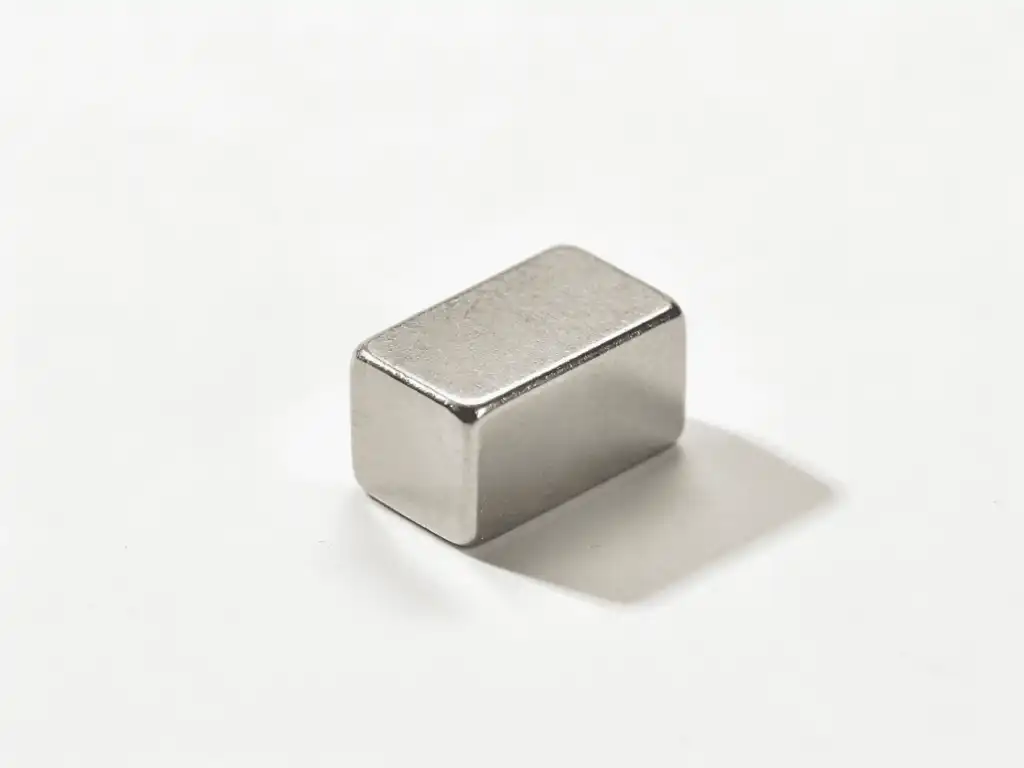
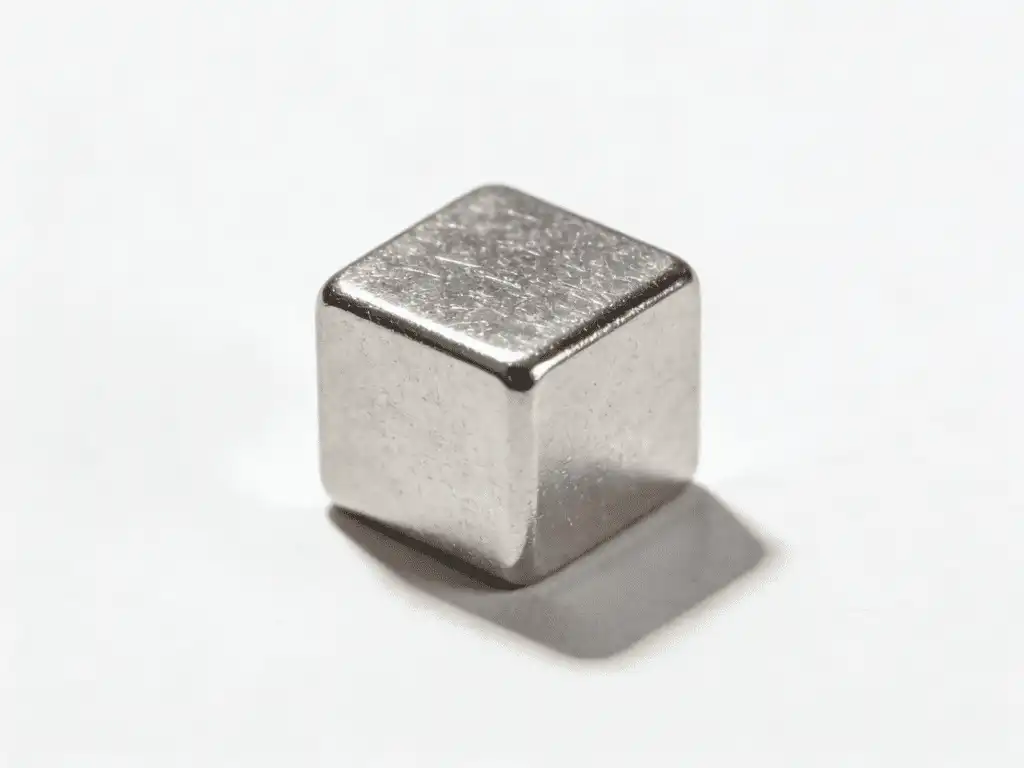
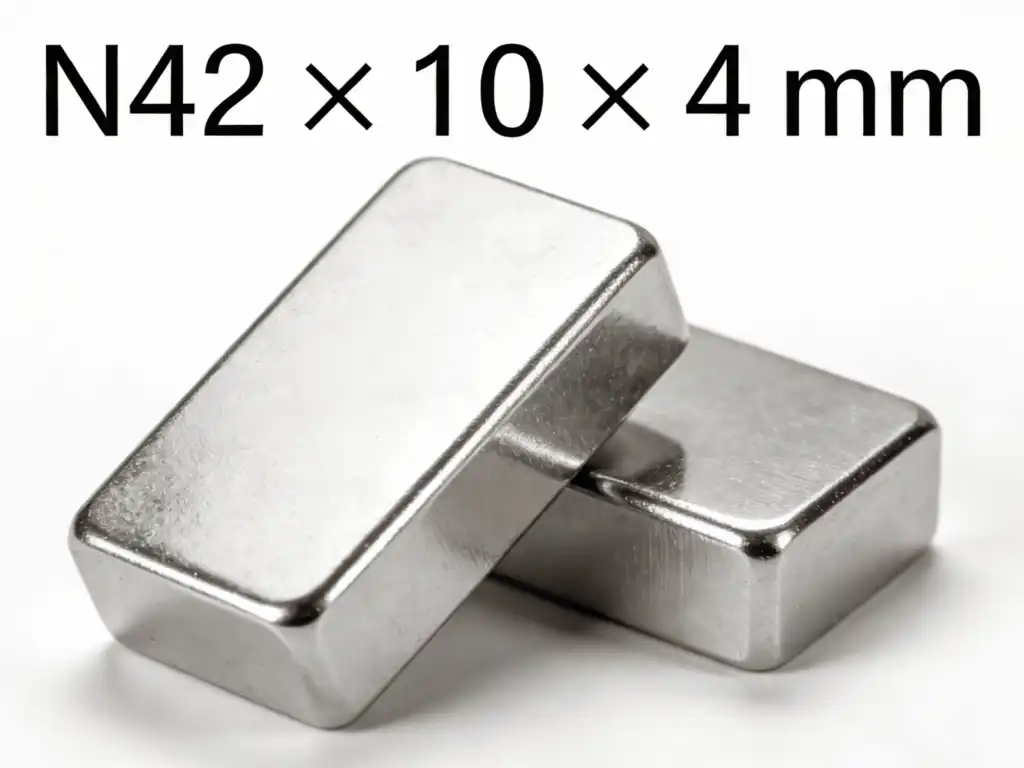
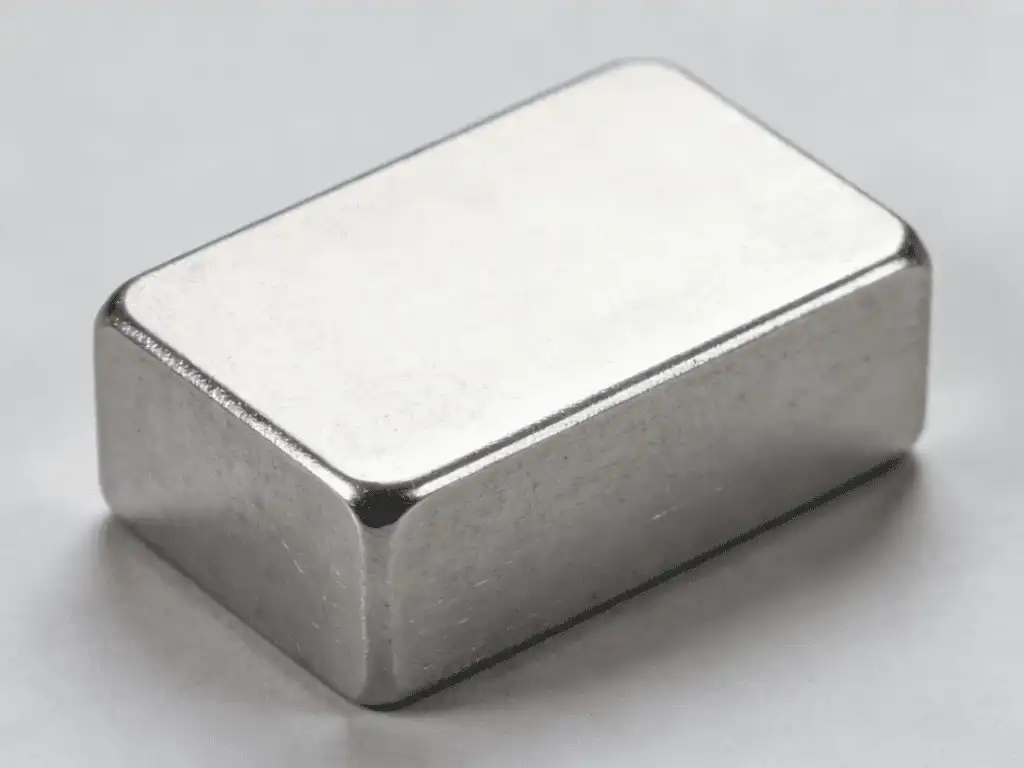
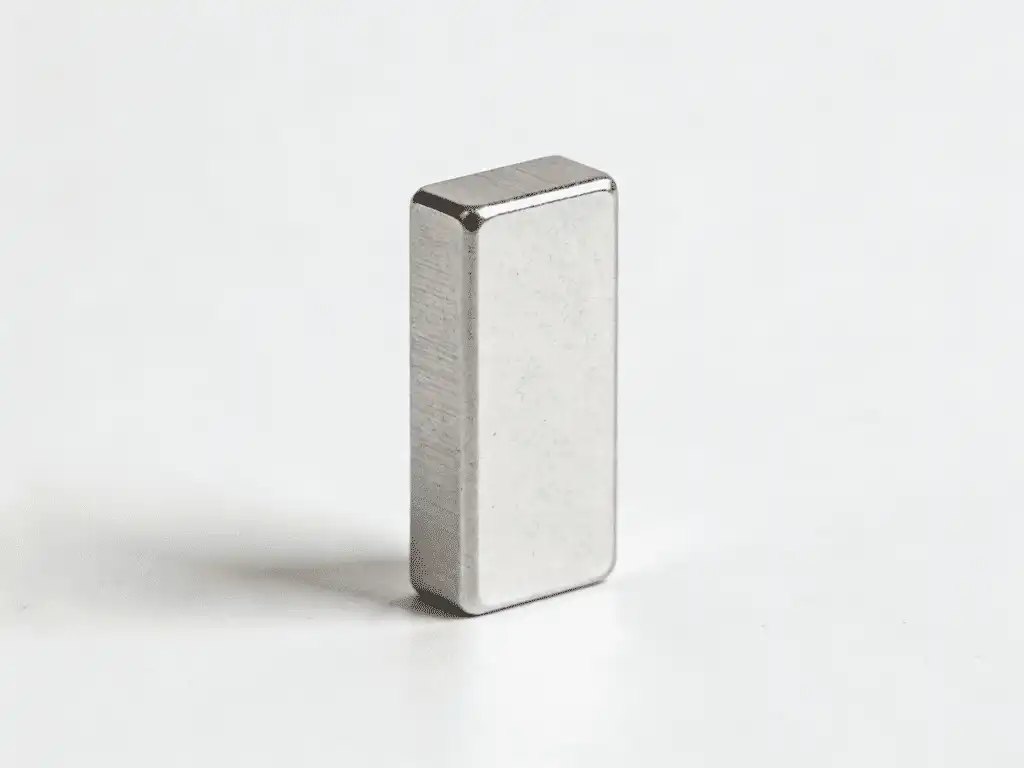
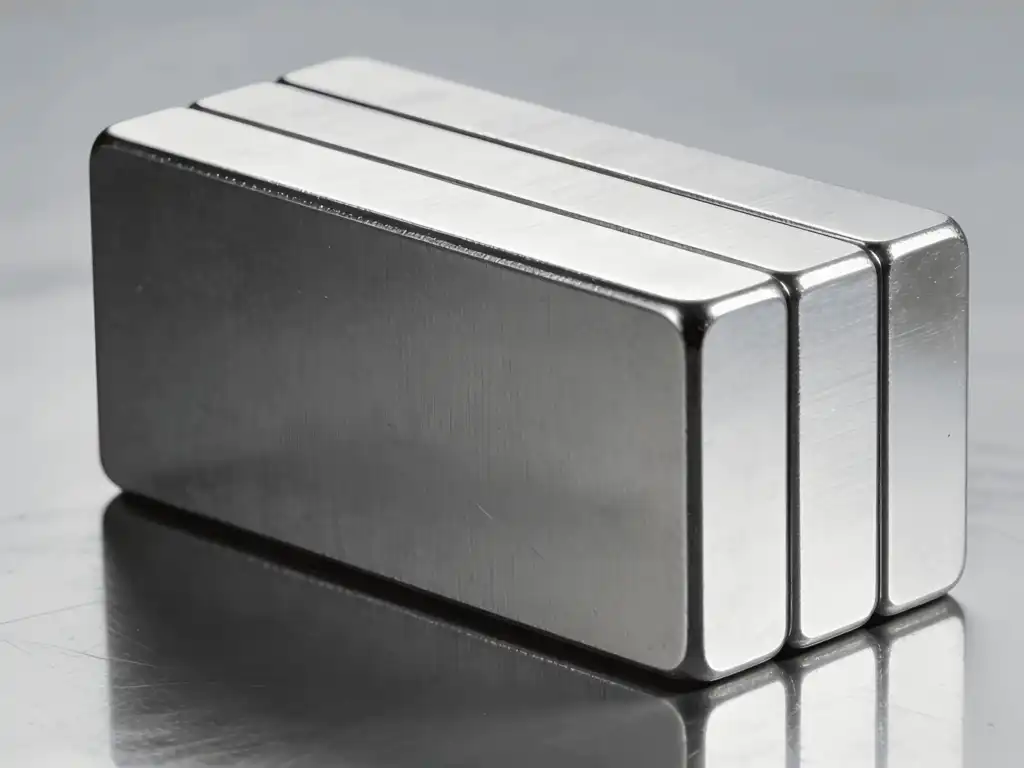
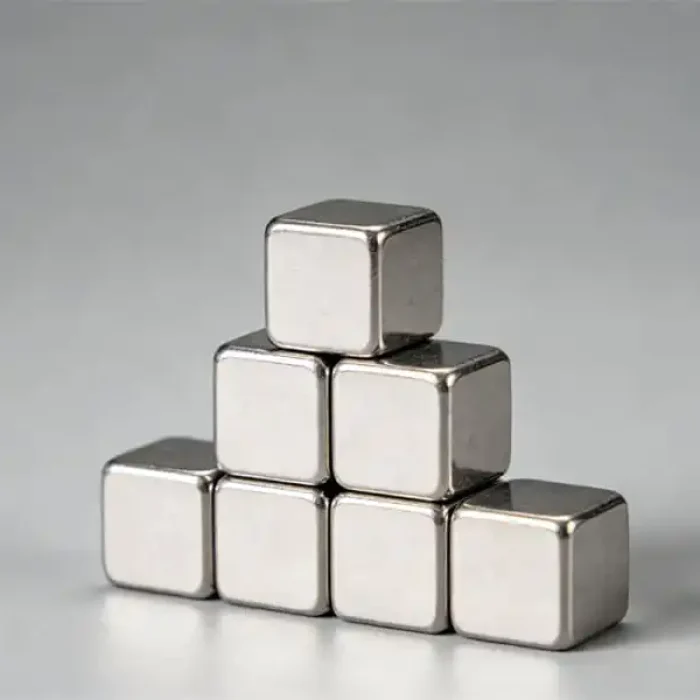
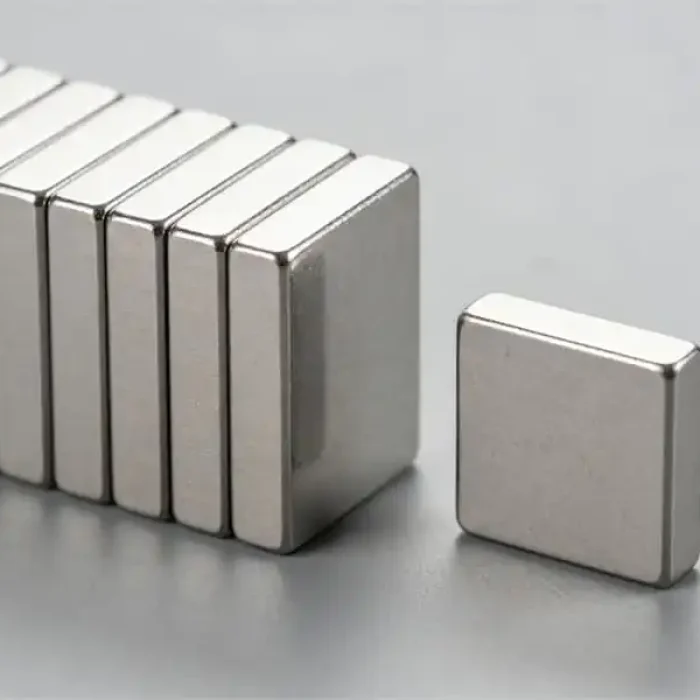
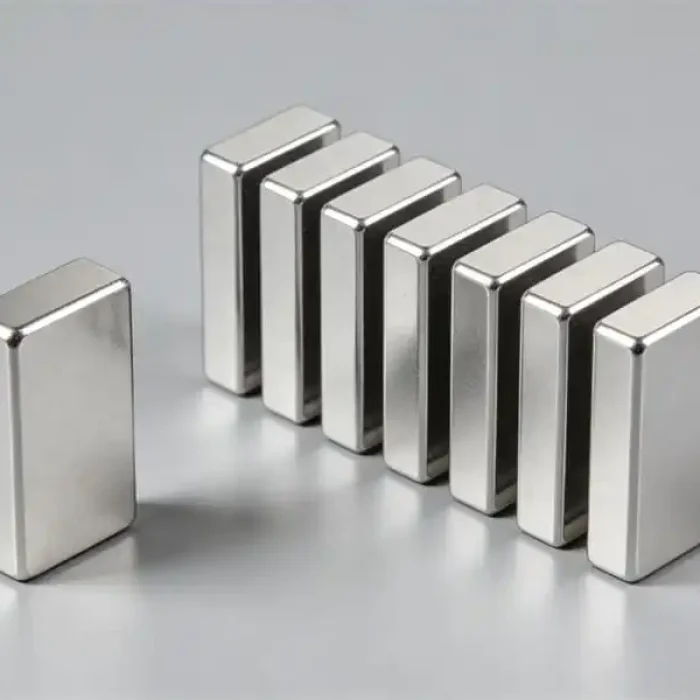
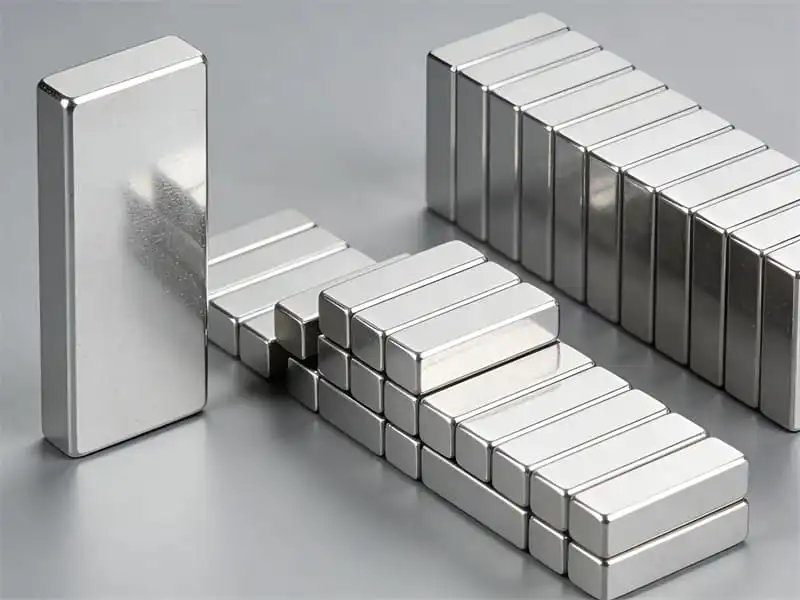
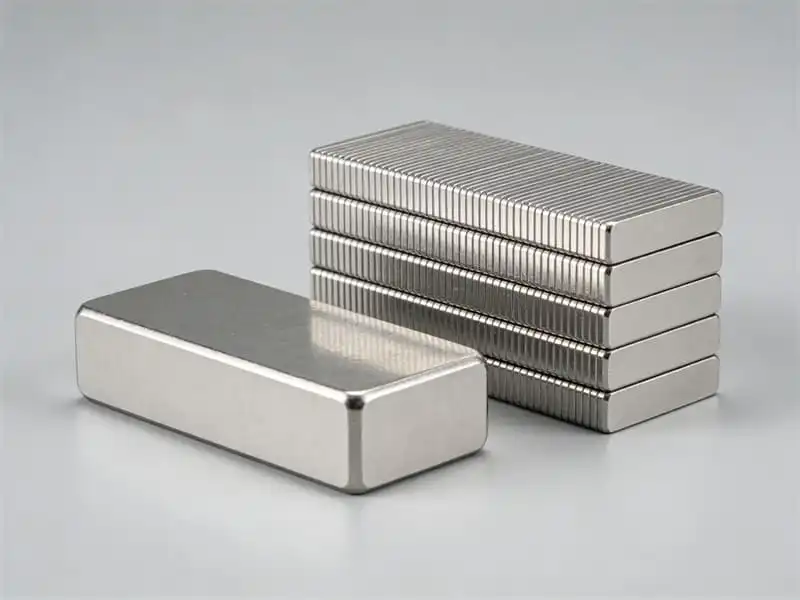
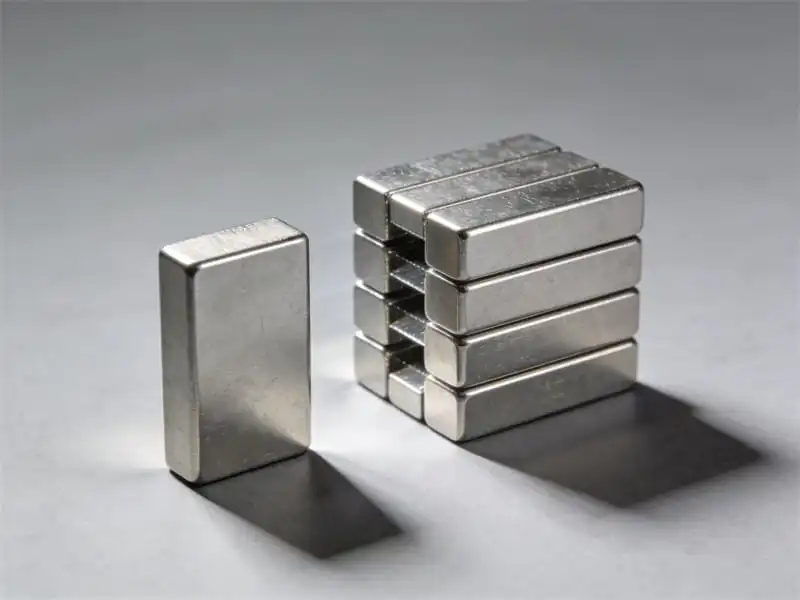
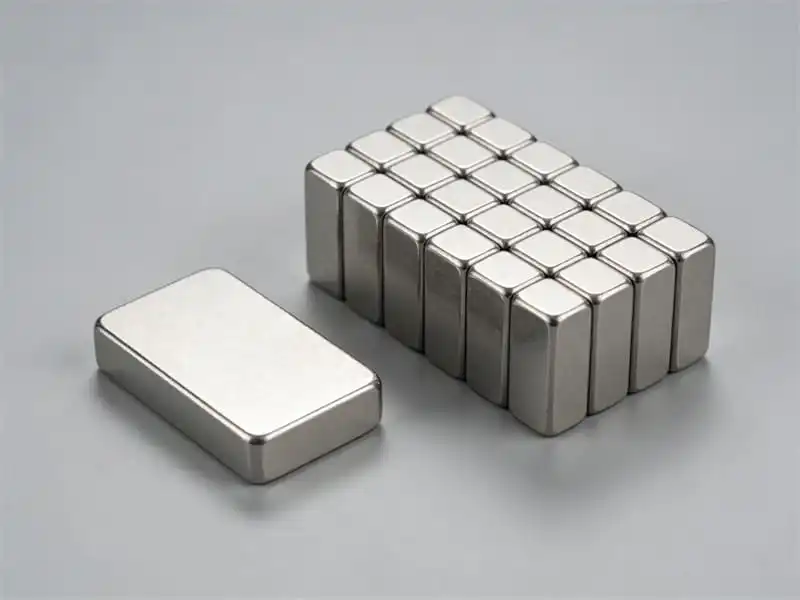
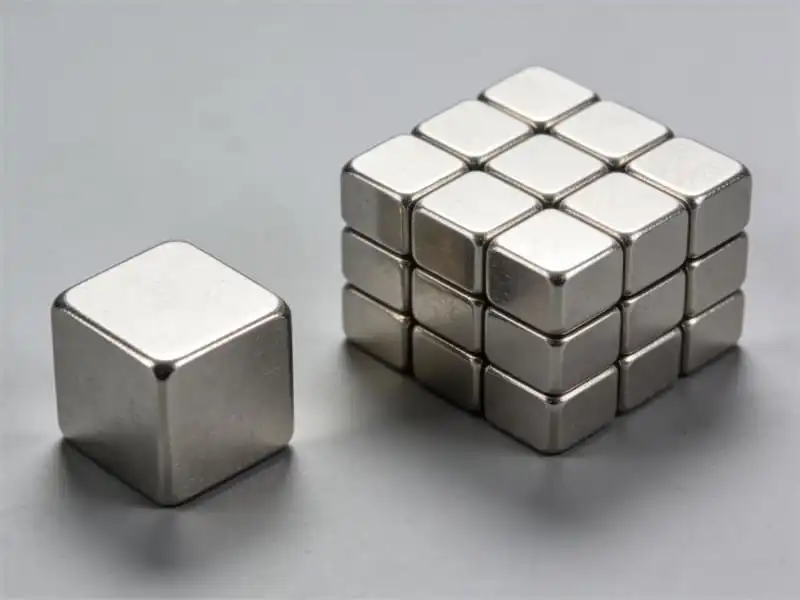
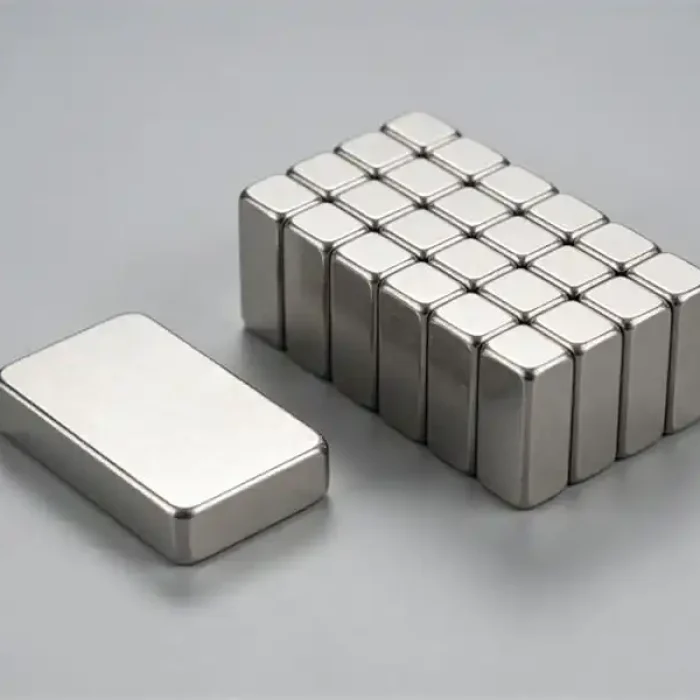
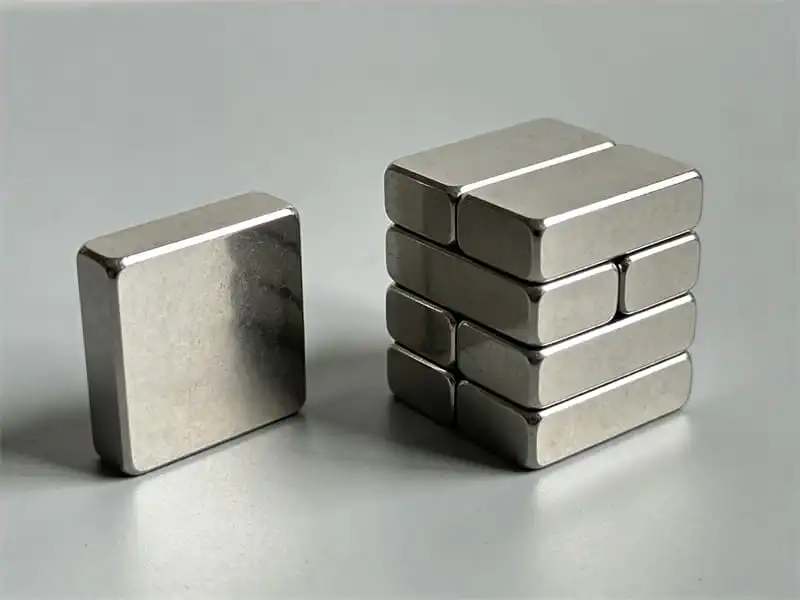
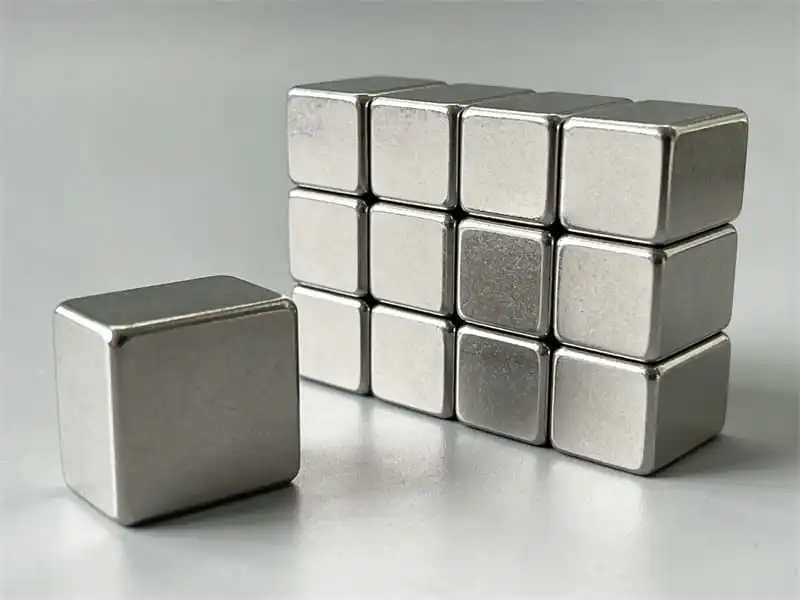
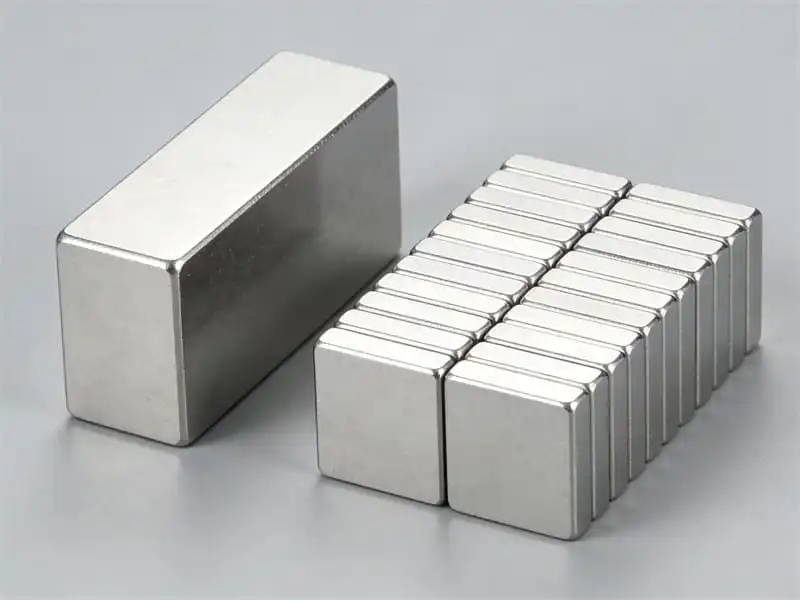
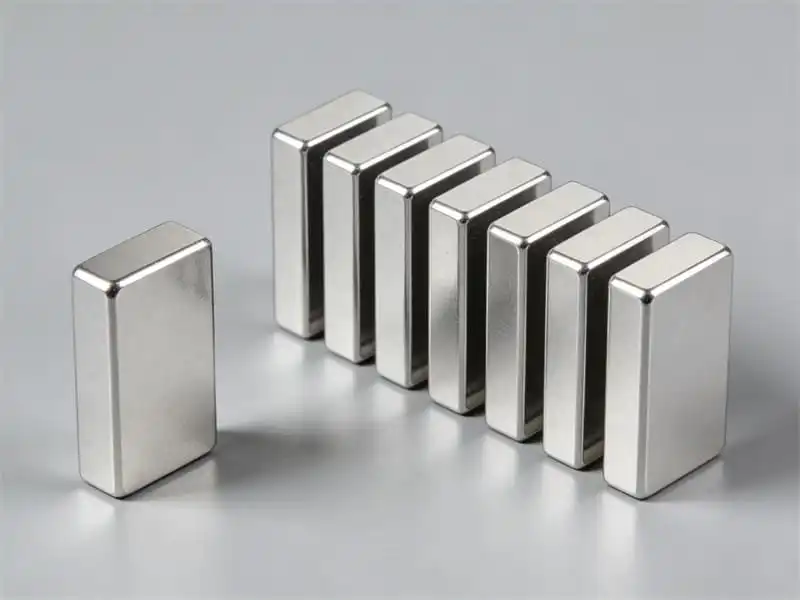
Osenc dostarcza niestandardowe blokowe magnesy neodymowe w klasach standardowych i wysokowydajnych — od mikrowymiarów po duże formaty wykonywane na zamówienie. Realizujemy zamówienia bez MOQ, zapewniamy szybkie wykonanie próbek, warianty do zastosowań medycznych oraz dostawy na całym świecie.
Bez MOQ — możliwe jest zamówienie nawet 1 sztuki
Klasa do N56 zapewniająca maksymalną siłę magnetyczną przy ograniczonej przestrzeni
Niestandardowe wymiary — od mikrobloków po magnesy wielkoformatowe
Nikiel, powłoka epoksydowa, cynk, złoto, PTFE, parylen i inne
Dostępne pakowanie w pomieszczeniu czystym do zastosowań wrażliwych
Standardowy czas realizacji wynosi około 25 dni; często wybierana jest wysyłka ekspresowa
Skorzystaj z pomocy Osenc, aby szybko dobrać odpowiedni magnes blokowy
Blokowe magnesy neodymowe należą do najbardziej praktycznych kształtów w rzeczywistych zastosowaniach. Dlaczego? Łączą dużą siłę oddziaływania magnetycznego, płaskie powierzchnie styku oraz łatwą integrację z zespołami, obudowami, przyrządami i urządzeniami kompaktowymi.
W Osenc produkujemy blokowe magnesy neodymowe, blokowe magnesy ziem rzadkich, prostokątne i kwadratowe magnesy neodymowe oraz sztabkowe magnesy blokowe NdFeB dla klientów, którzy potrzebują rozwiązań wykraczających poza standardową ofertę magazynową. Niektórzy potrzebują miniaturowych magnesów do elektroniki, inni dużych, silnych przemysłowych magnesów neodymowych w kształcie bloku. Jeszcze inni poszukują niestandardowych powłok, specjalnych kierunków magnesowania lub elementów pakowanych w pomieszczeniu czystym.
Aby nie trzeba było dobierać rozwiązania na chybił trafił, poniżej uporządkowaliśmy typowe wymiary i warianty produktów, co ułatwia szybkie rozpoczęcie wyboru.
Długość × szerokość × wysokość × średnica głównego otworu | Przykład: 10 × 10 × 10 × M5 mm
Jednostka domyślna
Metryczna (mm) jest domyślnie stosowana przy potwierdzaniu zamówienia
Informacja dotycząca jednostek imperialnych
Wymiary imperialne podano wyłącznie w celach informacyjnych; w przypadku niewielkiej różnicy należy dokonać potwierdzenia na podstawie wymiarów metrycznych
Standardowy zakres długości
1–200 mm
Standardowy zakres szerokości
0,5–100 mm
Standard Height Range
0.3 – 120 mm
Largest Rectangle Block Size from Osenc
200 × 80 × 50 mm
Largest Square Block Size from Osenc
100 × 100 × 60 mm
Longest Magnetization Direction
Up to 200 mm
Smallest Block Magnet Size
1 × 1 × 0.3 mm
Size Limitation Note
If one dimension is very large, the other dimensions usually need to be smaller; if two dimensions are large, the thickness should not be too thin
If you need strong magnetic force in a clean, practical shape, neodymium block magnets are usually one of the best places to start.
Compared with many other shapes, block magnets give you:
A flat surface for stable contact
Strong holding force in a compact rectangular form
Easy installation in housings, fixtures, and assemblies
More flexibility across industrial, electronics, and OEM applications
They’re also one of the easiest magnet types to customize. At Osenc, we can adjust the grade, dimensions, coating, magnetization direction, oraz quantity based on what your project actually needs — not just what happens to be in stock.
And yes, if you’re also comparing block magnets vs bar magnets vs square magnets, the good news is that these shapes often belong to the same product family. The difference is usually the proportion, the mounting space, and how the magnetic field needs to work in your design.
Next, let us make selection easier.
Let us help you choose in about a minute
Not sure which neodymium block magnet is right? No problem. Here’s a simple way to narrow it down.
If you need standard performance
We usually suggest N35 to N42 for general holding, closures, fixtures, and standard industrial use.
If you need stronger force in limited space
We usually suggest N52 neodymium block magnets. They’re a popular choice when space is tight but pull force still matters.
If your project needs the highest practical grade
Ask Osenc about N56 neodymium block magnets. They’re a strong option for compact, high-performance applications where every bit of magnetic energy counts.
If the environment is humid or corrosive
Consider epoxy-coated neodymium block magnets or other corrosion-resistant finishes.
If the application is sensitive, technical, or medical-related
Tell us early. Osenc can discuss special coatings, medical-capable options, and cleanroom packaging.
If fit matters as much as force
Share your drawing, tolerance target, and magnetization direction. This is where custom work really helps.
Still deciding? Great — below is the part buyers and engineers usually care about most: what exactly can be customized.
We keep custom ordering simple. For most custom neodymium block magnets, we only need five key things from you.
1) Grade / Magnetic Performance
Osenc supplies grades from standard options up to N56, depending on your application, space limits, and performance target.
2) Coating / Surface Finish
We support a wide range of coatings, including: Nickel, Zinc, Epoxy, Gold, PTFE / Teflon, Parylene, Other special finishes when needed.
3) Size
From micro neodymium block magnets for compact electronics to large neodymium block magnets for industrial holding, Osenc supports a wide size range.
4) Magnetization Direction
For simple custom magnets, this is one of the most important choices. We can produce block magnets magnetized: Through thickness, Through width, Through length, In custom directions depending on design needs.
5) Quantity
We support no MOQ ordering. One piece is possible, though sample and low-volume pricing will be higher. For repeat orders and volume production, Osenc helps optimize cost and consistency.
Osenc supplies grades from standard options up to N56, depending on your application, space limits, and performance target.
A strong magnet is only useful if it fits the environment it will work in.
Common coating options
Nikiel (Ni-Cu-Ni) A common choice for general indoor use. Clean appearance and dependable protection for many standard applications.
Epoksyd A smart option when better moisture or corrosion resistance is needed.
Cynk Useful for cost-sensitive projects where a basic protective finish is enough.
Złoto Chosen when appearance, surface requirements, or specific application needs call for it.
PTFE / Teflon Helpful in low-friction or specialty assembly environments.
Parylen Useful for sensitive, technical, and some medical-related applications.
Packaging options
Osenc also supports:
standard export packaging
protective packing for magnetized products
cleanroom packaging for sensitive applications
If your project is for electronics, precision instruments, or medical-related use, let us know early. That helps Osenc recommend the right finish and packaging from the start.
Next, let’s talk about the manufacturing side — because that’s where many suppliers start to look very different.
Because of their flat shape and strong magnetic field, neodymium block magnets are used across a wide range of industries.
Consumer electronics
Compact magnetic parts, closures, positioning, and internal assembly use.
Precision instruments
Where stable dimensions, controlled magnetization, and dependable performance matter.
Medical devices
For applications that may require cleaner handling, better coatings, or more tightly controlled production support.
Sensors and switches
A common use for small block and rectangular NdFeB magnets.
Magnetic fixtures and positioning
Useful in workholding, assembly, locating, and light industrial setups.
Closures and hidden fastening
A great fit for products that need strong hold without visible hardware.
OEM and private-label magnetic parts
For customers building their own branded products or sourcing to print, package, or resell.
If your application isn’t listed here, don’t worry. Many custom projects start the same way: with a size, a force target, and a few design constraints.
Now let’s cover the practical questions buyers usually ask next.
Są to silne magnesy trwałe wykonane z neodymu, żelaza i boru. Prostokątny lub kwadratowy kształt sprawia, że doskonale nadają się do mocowania na płaskich powierzchniach, kompaktowych zespołów, pozycjonowania, zamknięć oraz zastosowań technicznych.
Bardzo silne w stosunku do swoich rozmiarów. Rzeczywiste parametry zależą od klasy magnesu, wymiarów, kierunku magnesowania, szczeliny powietrznej i materiału powierzchni styku. W wielu przypadkach konstrukcja otaczająca magnes ma równie duże znaczenie jak sam magnes.
Tak. W przypadku klientów, którzy potrzebują maksymalnej siły magnetycznej przy ograniczonej przestrzeni, Osenc może omówić magnesy neodymowe blokowe N56 oraz to, czy ten gatunek będzie odpowiedni dla danego projektu.
Tak, możliwe jest zamówienie jednej sztuki. Należy jednak pamiętać, że w przypadku zamówienia jednej sztuki lub próbki koszt jednostkowy jest zazwyczaj wyższy, a ponadto może zostać naliczona opłata za próbkę.
Tak. Możemy wykonać magnesowanie w kierunku grubości, szerokości lub długości albo omówić niestandardowe kierunki magnesowania, zależnie od konstrukcji magnesu i zastosowania.