






Magnes mocujący to urządzenie wytwarzające dużą siłę przyciągania, która pozwala przyciągać i unieruchamiać metalowe przedmioty dokładnie tam, gdzie są potrzebne. Używam takich magnesów zawsze, gdy chcę utrzymać coś na miejscu — zarówno podczas podnoszenia ciężkich blach w zakładzie produkcyjnym, jak i przy domykaniu drzwi szafki w domu. Odgrywają one istotną rolę w przemyśle i życiu codziennym, znajdując zastosowanie we wszystkim — od urządzeń medycznych po czujniki samochodowe. Oto przykłady branż, które z nich korzystają:
| Branża | Typowe zastosowania |
|---|---|
| Przemysł lotniczy i kosmiczny | Elementy wykonawcze, systemy bezpieczeństwa |
| Produkcja | Transport materiałów, ramiona robotyczne |
| Urządzenia medyczne | Aparaty MRI, narzędzia chirurgiczne |
| Motoryzacja | Silniki, czujniki, elementy wykonawcze |
| Elektronika | Zamknięcia magnetyczne, mocowanie urządzeń |
🧲 Magnesy mocujące naprawdę ułatwiają pracę i wykonywanie codziennych czynności!
Przegląd magnesów mocujących
Czym jest magnes mocujący
Magnes mocujący to specjalistyczny magnes przeznaczony do przytrzymywania, zabezpieczania lub pozycjonowania metalowych przedmiotów za pomocą skoncentrowanej siły magnetycznej. Podczas korzystania z magnesu mocującego widzę, jak jego specjalny kształt i konstrukcja wytwarzają dużą siłę przyciągania, która utrzymuje metalowe elementy dokładnie w wymaganym położeniu. Magnesy te występują w wielu wariantach, jednak najczęściej mają kształt litery U lub podkowy. Taka geometria zbliża do siebie bieguny, koncentrując pole magnetyczne i zwiększając siłę trzymania. Używam magnesów mocujących między innymi do podnoszenia narzędzi, mocowania obrabianych elementów i utrzymywania drzwi w położeniu zamkniętym.
Osenc wyróżnia się jako czołowy dostawca neodymowych magnesów mocujących. Produkty tej marki zapewniają wyjątkową siłę i niezawodność, dlatego są moim pierwszym wyborem do wymagających zadań. Ufam Osenc, ponieważ firma produkuje magnesy zgodnie z rygorystycznymi wymaganiami certyfikatów ISO9001 i ISO16949, co zapewnia mi powtarzalną jakość za każdym razem.
💡 Wskazówka: Jeśli potrzebny jest magnes zapewniający dużą i trwałą siłę trzymania, należy wybrać produkt o skoncentrowanym polu magnetycznym, wytwarzany zgodnie z certyfikowanymi standardami produkcji.
Najważniejsze różnice względem innych magnesów
Magnesy mocujące różnią się od innych magnesów zarówno budową, jak i funkcją. Dostrzegam to za każdym razem, gdy porównuję je ze standardowymi magnesami sztabkowymi lub walcowymi. Większość magnesów ma prostą geometrię i rozprowadza pole magnetyczne na dużym obszarze, natomiast magnesy mocujące skupiają siłę między blisko położonymi biegunami. Taka konstrukcja zapewnia znacznie większą siłę trzymania na małej powierzchni, dzięki czemu doskonale nadaje się do podnoszenia, mocowania i zabezpieczania metalowych przedmiotów.
Poniżej przedstawiam główne rodzaje magnesów dostępnych na rynku oraz ich porównanie z magnesami mocującymi:
| Rodzaj magnesu | Definicja | Cecha wyróżniająca | Zastosowania |
|---|---|---|---|
| Magnesy ceramiczne lub ferrytowe | Wytwarzane z tlenku żelaza i węglanu strontu, trwałe w różnych warunkach eksploatacji. | Wysoka odporność na rozmagnesowanie i korozję. | Stosowane w silnikach elektrycznych, separatorach magnetycznych i głośnikach. |
| Magnesy Alnico | Wykonane z aluminium, niklu, kobaltu i żelaza, stabilne w wysokich temperaturach. | Doskonała stabilność temperaturowa i wysoki strumień magnetyczny. | Idealne do czujników i woltomierzy pracujących w wysokich temperaturach. |
| Magnesy samarowo-kobaltowe (SmCo) | Wykonane z samaru i kobaltu, należą do grupy magnesów ziem rzadkich. | Doskonała stabilność termiczna i odporność na rozmagnesowanie. | Odpowiednie do zastosowań lotniczych, kosmicznych i wojskowych. |
| Magnesy neodymowo-żelazowo-borowe (NdFeB) | Wykonane z neodymu, żelaza i boru, uznawane za najsilniejsze magnesy. | Wyjątkowo wysokie parametry magnetyczne. | Stosowane w dyskach twardych, silnikach elektrycznych, aparatach MRI i urządzeniach do magnetoterapii. |
Często wybieram neodymowe magnesy mocujące firmy Osenc, ponieważ zapewniają nawet o 30% większą siłę trzymania niż standardowe magnesy ceramiczne. Ta dodatkowa siła ma duże znaczenie, gdy muszę zabezpieczyć ciężkie lub nieporęczne przedmioty.
Oto co wyróżnia dla mnie Osenc:
- Certyfikat ISO 9001 gwarantuje najwyższy poziom zarządzania jakością.
- Certyfikat ISO 16949 oznacza, że magnesy spełniają rygorystyczne normy branżowe.
- Magnesy są wykonywane precyzyjnie, dzięki czemu za każdym razem zapewniają niezawodne działanie.
🛡️ Uwaga: Nie wszystkie magnesy są takie same. Aby uzyskać maksymalną siłę trzymania i trwałość, warto wybrać certyfikowane neodymowe magnesy mocujące od zaufanego dostawcy, takiego jak Osenc.
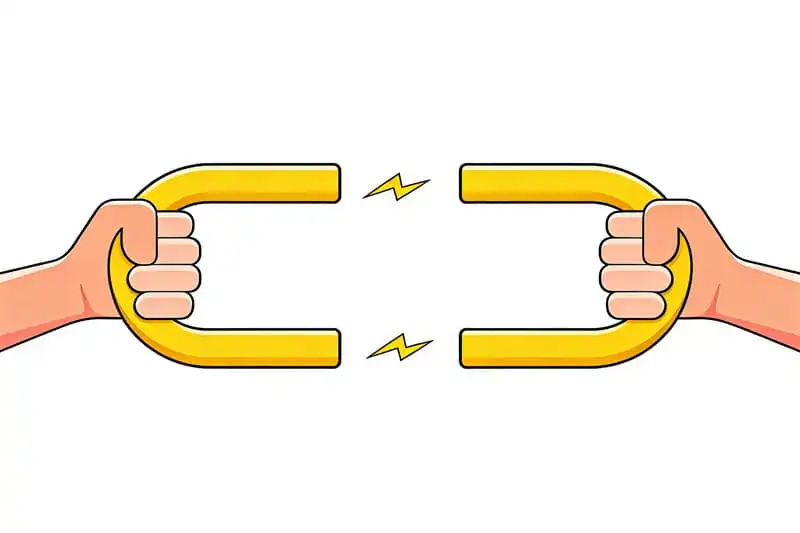
Jak działają
Wyjaśnienie siły magnetycznej
Magnes mocujący wytwarza skoncentrowane pole magnetyczne, które pewnie przytrzymuje metalowe przedmioty. Podczas użytkowania widzę, jak magnes przyciąga do siebie metalowe elementy i utrzymuje je na miejscu. Kluczowe znaczenie ma skupienie linii pola magnetycznego między biegunami, co zwiększa siłę dokładnie tam, gdzie jest potrzebna. Dzięki temu podnoszenie, przytrzymywanie i pozycjonowanie blach jest znacznie łatwiejsze i bezpieczniejsze.
Często wykorzystuję magnesy mocujące do takich zadań jak podnoszenie płyt stalowych lub zabezpieczanie narzędzi podczas montażu. Zasady fizyczne leżące u podstaw działania tych magnesów pozwalają mi pracować szybciej i przy mniejszym ryzyku. Zawsze zauważam, że magnesy neodymowe, takie jak magnesy firmy Osenc, zapewniają większą siłę i niezawodność niż inne rodzaje magnesów. Poniższa tabela przedstawia porównanie różnych magnesów:
| Rodzaj magnesu | Siła magnetyczna | Niezawodność |
|---|---|---|
| Neodym | Bardzo duża siła, kompaktowe wymiary | Wyższa koercja, mniejsza podatność na działanie pól zewnętrznych |
| Ferryt | Ekonomiczny, lepiej sprawdza się w wysokich temperaturach | Nie zapewnia takiej siły jak neodym |
Magnesy neodymowe mogą być nawet o 30% silniejsze od magnesów ferrytowych. Ta dodatkowa siła sprawia, że mogę na nich polegać w wymagających zastosowaniach.
Czynniki wpływające na siłę trzymania
Na siłę, jaką może zapewnić magnes trzymający, wpływa kilka czynników. Przed wyborem odpowiedniego magnesu do projektu zawsze sprawdzam te parametry. Poniżej omawiam najważniejsze z nich.
Wpływ powierzchni i materiału
Rodzaj metalu i stan powierzchni mają kluczowe znaczenie. Magnes umieszczony na czystej, płaskiej powierzchni stalowej zapewnia maksymalną siłę trzymania. Rdza, farba lub nierówności mogą zmniejszyć siłę trzymania o 20-50%. Uwzględniam również właściwości samego materiału. Magnesy neodymowe są najsilniejsze, natomiast magnesy ceramiczne i Alnico są bardziej odporne na korozję i zmiany temperatury.
| Czynnik | Opis |
|---|---|
| Rodzaj materiału | Magnesy neodymowe są najsilniejsze; magnesy samarowo-kobaltowe zapewniają dużą siłę działania i odporność na temperaturę; magnesy Alnico i ceramiczne są słabsze, ale bardziej odporne. |
| Warunki środowiskowe | Wilgoć i utlenianie mogą pogarszać właściwości magnesów, zwłaszcza niepowlekanych magnesów neodymowych. |
💡 Wskazówka: Aby uzyskać najlepsze rezultaty, zawsze stosuję magnesy neodymowe Osenc na czystych, płaskich powierzchniach stalowych.
Wymiary i kształt magnesu
Wymiary i kształt mają duże znaczenie. Większe magnesy wytwarzają silniejsze pola, natomiast kształt decyduje o rozkładzie pola. Z mojego doświadczenia wynika, że magnesy pierścieniowe dobrze sprawdzają się przy dużej powierzchni styku, a magnesy blokowe skupiają siłę na mniejszym obszarze. Geometria może zmienić siłę trzymania nawet o 40%. Należy również pamiętać, że siła szybko maleje wraz ze wzrostem odległości od magnesu.
| Czynnik | Opis |
|---|---|
| Wymiary i kształt | Większe magnesy wytwarzają silniejsze pola; geometria wpływa na rozkład pola. |
| Odległość od magnesu | Natężenie pola magnetycznego szybko maleje wraz z odległością, zgodnie z prawem odwrotności sześcianu. |
Zawsze dobieram wymiary i kształt odpowiednie do danego zastosowania. Osenc oferuje kształty niestandardowe, dzięki czemu mogę uzyskać dokładnie to, czego potrzebuję do każdego projektu.
🧲 Uwaga: Starzenie się magnesów i nieostrożne obchodzenie się z nimi może z czasem osłabić ich działanie. Przechowuję magnesy z zachowaniem ostrożności, aby utrzymać ich siłę.
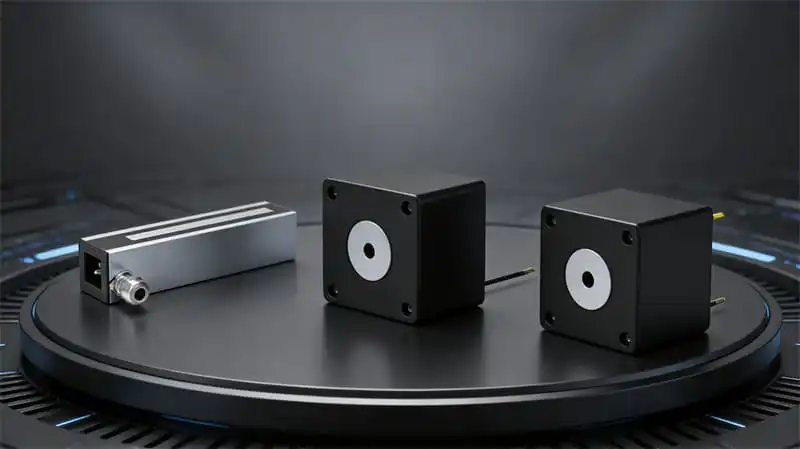
Cechy magnesu mocującego
Konstrukcja i materiały
Konstrukcja i materiały magnesu mocującego decydują o jego sile trzymania, trwałości i przydatności do różnych zastosowań. Wybierając magnes do projektu, zawsze sprawdzam, z jakiego materiału jest wykonany i jaką ma konstrukcję. Większość magnesów o wysokich parametrach wytwarza się z neodymu, żelaza i boru (NdFeB), ponieważ materiał ten zapewnia dużą energię w niewielkiej objętości. Magnesy ferrytowe dobrze sprawdzają się w zastosowaniach wymagających ograniczenia kosztów, lecz nie oferują takich samych parametrów.
Poniższa tabela przedstawia w skrócie wpływ doboru materiału na parametry użytkowe:
| Materiał | Kluczowe właściwości | Wpływ na parametry użytkowe |
|---|---|---|
| Magnesy neodymowo-żelazowo-borowe (NdFeB) | Wysoki iloczyn energii, wysoka koercja i wysoka remanencja | Zwiększa gęstość energii i sprawność silników, generatorów oraz narzędzi precyzyjnych. |
| Magnesy ferrytowe | Niższy iloczyn energii niż w przypadku NdFeB | Dobre rozwiązanie do ekonomicznych zastosowań, ale zapewnia mniejszą siłę trzymania. |
Do wymagających zadań często wybieram magnesy neodymowe Osenc. Mikromagnesy i kształty wykonywane na zamówienie pomagają mi sprostać nietypowym wyzwaniom — niezależnie od tego, czy potrzebuję niewielkiego magnesu do elektroniki, czy dużego magnesu do podnoszenia.
Parametry siły trzymania
Parametry siły trzymania wskazują, jaką siłę może przenieść magnes mocujący, zanim się oderwie. Zawsze sprawdzam te wartości, zanim powierzę magnesowi utrzymanie ciężkiego przedmiotu. Najczęściej stosowaną metodą pomiaru siły jest MDFA Pull Test Standard. Próba ta określa siłę odrywania, czyli siłę potrzebną do oderwania magnesu od metalowej powierzchni.
Parametry siły wyznacza się w następujący sposób:
| Metoda badania | Opis |
|---|---|
| Standard badania siły odrywania MDFA | Mierzy siłę odrywania, aby zapewnić spójność deklarowanych wartości. |
| Siła odrywania | Siła (w funtach) potrzebna do oderwania magnesu w kontrolowanych warunkach. |
- Standard badania siły odrywania MDFA zapewnia mi wiarygodne wyniki.
- Siła odrywania ułatwia mi porównywanie magnesów do różnych zastosowań.
Magnesy OSENC zawsze spełniają rygorystyczne normy, dlatego mam pewność, że podane wartości siły są dokładne. Dzięki precyzyjnemu wykonaniu mogę ufać tym danym — czasami oznaczają one nawet do 30% większą siłę trzymania niż w przypadku innych marek.
Zasady bezpieczeństwa
Bezpieczeństwo ma kluczowe znaczenie podczas pracy z silnymi magnesami, zwłaszcza neodymowymi. Magnesy te mogą gwałtownie się złączyć i przyciąć skórę. Mogą również zakłócać działanie urządzeń elektronicznych i medycznych, takich jak rozruszniki serca. Zawsze noszę rękawice i trzymam magnesy z dala od wrażliwych urządzeń.
Aby zachować bezpieczeństwo, stosuję następujące zasady:
- Noszę rękawice, aby uniknąć urazów spowodowanych przycięciem.
- Przechowuję magnesy w suchych, chłodnych miejscach, aby zapobiec korozji i zachować ich właściwości.
- Trzymam magnesy z dala od telefonów, laptopów i urządzeń medycznych.
- Stosuję ochronę oczu, ponieważ magnesy neodymowe mogą pęknąć, wyrzucając ostre odłamki.
- I never let kids play with strong magnets—they can be a choking hazard.
- Neodymium magnets can disrupt electronics and medical devices.
- They can pinch skin and cause injury.
- Magnet dust is flammable, so I handle it carefully.
- Uncoated magnets rust easily in humid places.
Osenc always provides safety guidelines with their products. Their magnets come with coatings to reduce corrosion and packaging that keeps me safe during shipping.
🧲 Wskazówka: I use non-metallic tools to separate magnets and always follow transportation rules for safe shipping.
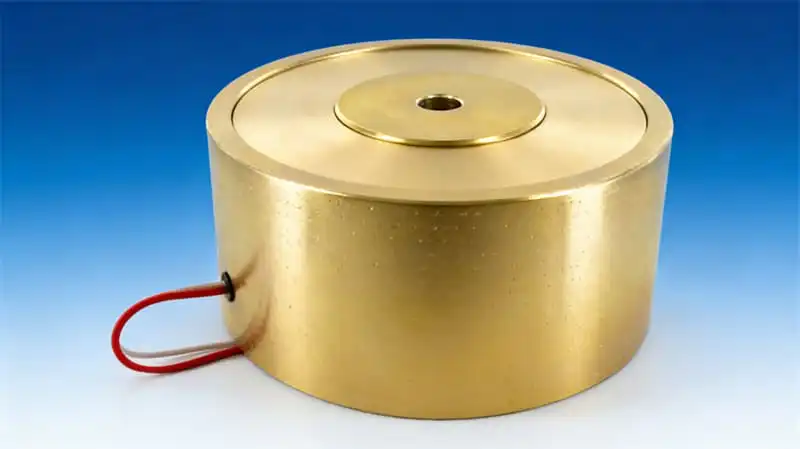
Precision Manufacturing and Tolerances
Precision manufacturing makes a huge difference in magnet performance. I look for magnets with tight tolerances because even a small error can lower holding power. For example, Osenc neodymium magnets have tolerances as tight as ±0.02 mm. That means I get consistent results every time.
Here’s a table showing typical tolerances for different magnet types:
| Rodzaj magnesu | Tolerance Range |
|---|---|
| Spiekane magnesy NdFeB | ±0.02 mm to ±0.05 mm |
| Wiązane magnesy NdFeB | ±0.05 mm to ±0.1 mm |
| Sintered SmCo | ±0.02 mm to ±0.05 mm |
| Bonded SmCo | ±0.1 mm |
| Sintered Ferrite | ±0.1 mm to ±0.2 mm |
| Bonded Ferrite | ±0.1 mm to ±0.2 mm |
| Sintered Alnico | ±0.05 mm to ±0.1 mm |
| Cast Alnico | ±0.1 mm to ±0.2 mm |
I trust Osenc for precision and reliability. Their magnets help me get the job done right, every time.
Zastosowania

Industrial Uses
Holding magnets play a crucial role in industrial settings by providing strong, reliable grip for heavy-duty tasks. I see them everywhere in factories and workshops, making my work safer and more efficient. These magnets help me handle, lift, and position metal parts with precision.
Machining and Assembly
When I work on machining and assembly, I rely on different types of magnets based on the job. Alnico magnets, made from aluminum, nickel, cobalt, and iron, come close to their final size and need little machining. Neodymium Iron Boron magnets offer high energy density and can be shaped for custom features, though I stay cautious about dust. Samarium Cobalt magnets are brittle, so I handle them with care. Ceramic magnets, hard and brittle, require diamond tooling for machining. Each type brings its own benefits and challenges to the table.
Osenc helps me tackle unique machining needs by offering custom assemblies and precision-shaped magnets. Their expertise lets me choose the right magnet for every operation.
Lifting and Positioning
I use holding magnets for lifting and positioning metal sheets, tools, and components. Heavy duty magnets give me the strength I need to move large items safely. Pot magnets, with their steel casing, focus the magnetic field and boost holding power. Ceramic magnets work well for tasks that need corrosion resistance.
Here’s a quick look at common industrial applications and what they demand from magnets:
| Obszar zastosowania | Performance Requirements |
|---|---|
| Pharmaceuticals | Strength, cleanability, suitability for processes |
| Transport | Strength, safety, efficiency |
| Industrial Equipment | Strength, reliability, integration with devices |
I trust Osenc for magnets that meet strict performance standards, especially when I need reliability and safety.
Everyday Uses
Holding magnets make life easier at home, in the office, and during DIY projects. I use them for organizing, securing, and even creating fun solutions.
Home and Office
Magnets show up in many household gadgets and office tools. I see them in doorbells, microwaves, and refrigerator doors. Magnetic racks help me organize spices and knives, saving counter space. Cabinet doors stay shut with magnetic latches, and computers use magnets for data storage. Neodymium magnets keep my office supplies like clips and thumbtacks in order. Extendable tables use magnets to hold extra pieces in place. Outdoor parties get easier when I use magnets to secure tablecloths against the wind.
| Use Case | Opis |
|---|---|
| Doorbell | Contains magnets and solenoids that create sound when the button is pressed. |
| Microwave | Uses magnetrons with magnets to generate electromagnetic waves for heating food. |
| Refrigerator doors | Sealed with magnetic mechanisms for easy opening. |
| Spice and knife rack | Magnetic racks help organize kitchen utensils and save counter space. |
| Cabinet doors | Secured with magnetic latches to prevent unintentional opening. |
| Computers | Utilize magnets in hard drives for data storage and in CRT screens for display. |
| Organizing office supplies | Neodymium magnets help keep metal office supplies like clips and thumbtacks organized. |
| Extendable tables | Use magnets to hold additional pieces in place. |
| Outdoor parties | Magnets can secure tablecloths against wind without damaging surfaces. |
Osenc offers micro magnets and custom shapes, so I always find the right solution for my home or office needs.
Automotive and DIY
Magnets bring creativity and convenience to automotive and DIY projects. I use countersunk rare earth magnets for releasable fixtures like magnetic picture frames and modular shelving. These magnets hold strong without bulky hardware, making my DIY organization simple. Bar magnets attach to toy cars, letting me control them with a hovering horseshoe magnet—a fun way to explore magnetism.
- I use countersunk rare earth magnets for modular shelving and picture frames.
- These magnets provide strong holding power for DIY solutions.
- Bar magnets make toy cars move with magnetic force, adding a playful touch.
Osenc supports my DIY ambitions by providing custom assemblies for unique projects. Their wide range of magnets lets me experiment and create with confidence. 🛠️
💡 Tip: For any project—industrial or personal—I always choose the right magnet type and size for the job. Custom assemblies from Osenc help me solve even the toughest challenges.
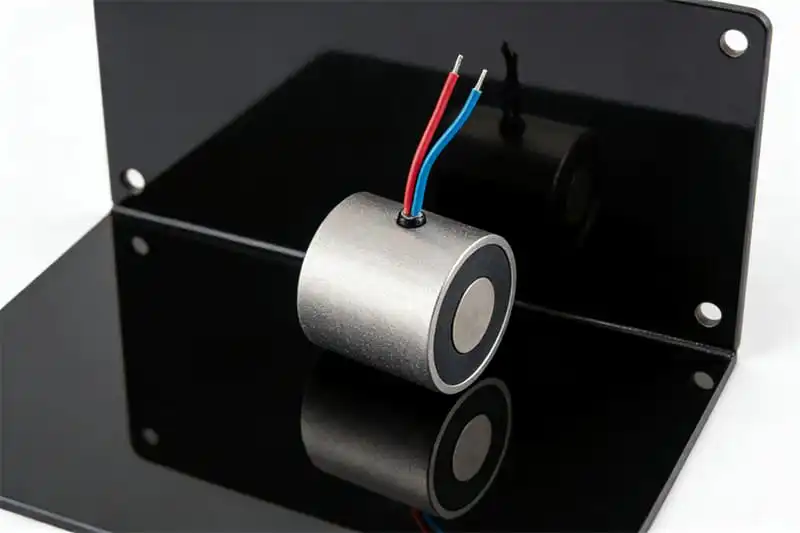
Types of Holding Magnets
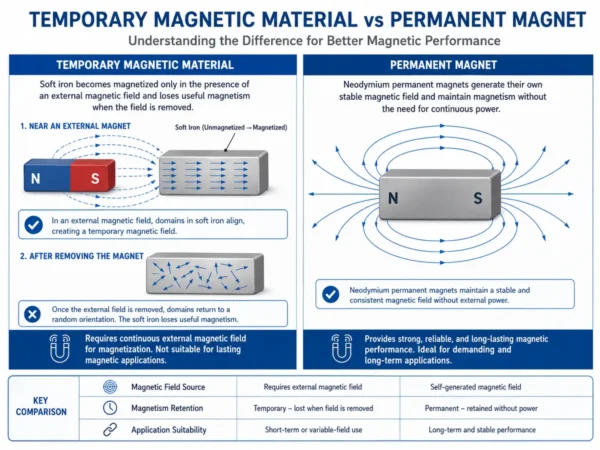
Magnesy trwałe
Permanent holding magnets create a constant magnetic field and do not need electricity to work. I use these magnets when I want reliable, long-lasting grip for my projects. They keep their magnetism over time, so I never worry about losing strength. I find permanent magnets in motors, generators, and even MRI machines.
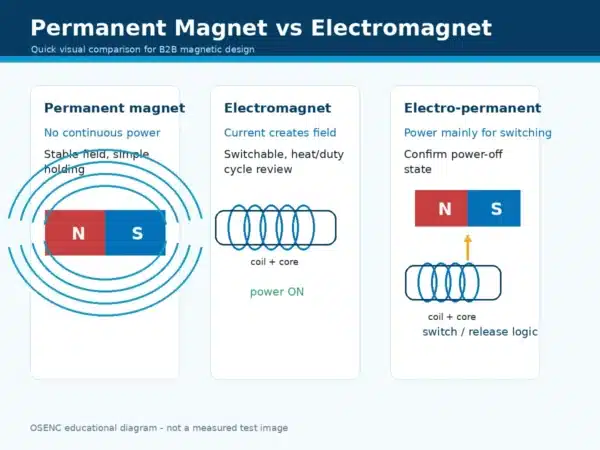
Here’s what sets permanent magnets apart from electromagnets:
- Permanent magnets always retain their magnetism.
- Their strength stays fixed, unlike electromagnets that can change with more or less current.
I like to compare permanent magnets and electromagnets side by side:
| Characteristic | Magnesy trwałe | Elektromagnesy |
|---|---|---|
| Magnetism Retention | Retain magnetism without external power | Require electric current to generate magnetic field |
| Skład | Made from ferromagnetic or ferrimagnetic materials | Typically made from coils of wire |
| Magnetic Strength Control | Fixed strength based on material and size | Strength can be adjusted by changing current |
| Niezawodność | High reliability, consistent performance | Dependent on power supply |
| Zastosowania | Used in motors, generators, MRI machines, etc. | Used in devices requiring variable magnetic fields |
Permanent magnets maintain a consistent magnetic field. They resist environmental changes and stay strong even in tough conditions. Their magnetic properties, like coercivity and remanence, make them dependable for everyday use. I often choose Osenc’s neodymium permanent magnets because they deliver up to 30% more holding power than standard ceramic magnets.
💡 Wskazówka: Permanent magnets work best when you need steady, reliable force without worrying about power outages.
Elektromagnesy
Electromagnets generate magnetic force only when electricity flows through them. I use these magnets when I need to control the strength or turn the magnet on and off. Electromagnets come in handy for lifting heavy metal sheets in factories or operating machinery that needs variable force.
Electromagnets differ from permanent magnets in several ways:
- They need electric current to work.
- I can adjust their strength by changing the current.
- They stop working if the power goes out.
I like using electromagnets for tasks that require flexibility. For example, in automated assembly lines, I can switch the magnet on to hold a part, then turn it off to release it. This control makes my job easier and safer.
Osenc offers custom electromagnet solutions for industrial clients. Their engineering team helps me design magnetic assemblies that fit my exact needs.
⚡ Uwaga: Electromagnets give you control, but always check your power supply before relying on them for critical tasks.
Ceramic Magnets
Ceramic holding magnets provide a cost-effective solution with good magnetic strength and high resistance to corrosion. I reach for ceramic magnets when I need reliable grip in environments where moisture or chemicals might be a problem. These magnets work well in outdoor settings and places with temperature changes.
Ceramic magnets have their own set of advantages and disadvantages:
| Advantages | Disadvantages |
|---|---|
| Cost-effectiveness | Brittleness |
| Good magnetic strength | Limited magnetic strength |
| High resistance to corrosion | Temperature sensitivity |
| Temperature stability | Corrosion susceptibility |
I like ceramic magnets for their affordability and durability. They resist rust and stay stable in most temperatures. However, they can break if dropped or hit, and their strength doesn’t match neodymium magnets. For heavy-duty jobs, I stick with Osenc’s neodymium options, but ceramic magnets still have a place in my toolbox for lighter tasks.
🧲 Wskazówka: Use ceramic magnets when you need a budget-friendly, corrosion-resistant solution for everyday holding tasks.
Heavy Duty Magnets
Heavy duty magnets deliver maximum holding power for the toughest jobs. I reach for these magnets when I need to secure, lift, or move heavy metal objects in demanding environments. Their strength comes from advanced materials like neodymium, which can provide up to 30% more force than standard magnets. I use heavy duty magnets in places where safety and reliability matter most.
You’ll find these magnets in CNC shops, manufacturing plants, and construction yards. They help me lift steel plates, hold large assemblies, and keep equipment in place. Here’s a table that shows typical load capacities and where I use heavy duty holding magnets:
| Zastosowanie | Load Capacity |
|---|---|
| CNC and Fabrication Shops | Up to 660 lbs |
| Manufacturing and Assembly | Up to 2200 lbs |
| Machine Shops | Up to 2200 lbs |
| Steel Service Centers and Warehouses | Up to 2200 lbs |
| Construction and Heavy Equipment Yards | Up to 2200 lbs |
I always check the load rating before I trust a magnet with a heavy object. Osenc offers heavy duty neodymium magnets that meet strict industry standards, so I know I’m getting reliable performance every time.
💪 Wskazówka: For lifting and securing large metal parts, I choose heavy duty magnets with certified load capacities.
Heavy duty magnets also come with features like corrosion-resistant coatings and reinforced casings. These details help them last longer, even in harsh conditions. I like using magnets with easy-release handles, which make my work safer and faster.
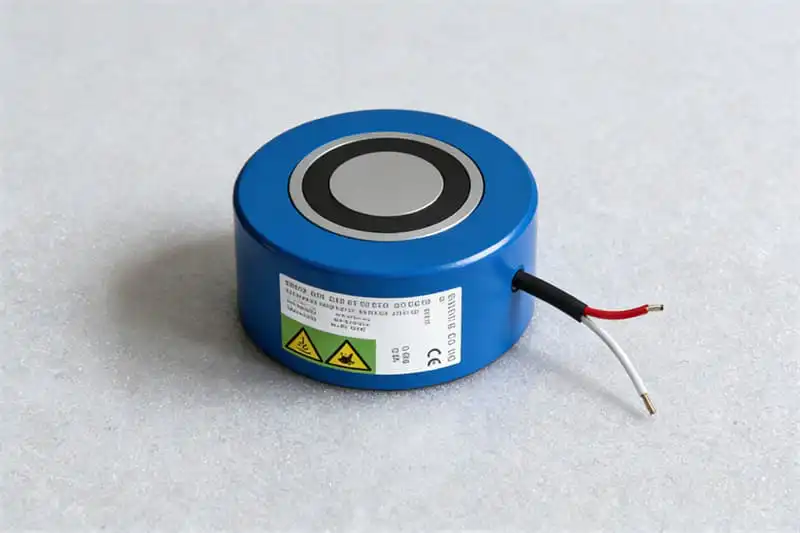
Magnesy garnkowe
Pot magnets combine strong magnetic pull with extra durability, thanks to their steel shell. I use pot magnets when I need a magnet that can handle rough handling and environmental stress. The steel casing protects the magnet from chips, cracks, and corrosion, so it lasts longer than other types.
Pot magnets focus their magnetic force on one side, which gives me better grip and control. I find them useful for mounting, holding, and positioning tasks in workshops, warehouses, and even at home. Here’s a table that highlights the main features and benefits of pot magnets:
| Feature/Benefit | Opis |
|---|---|
| Trwałość | Steel shell prevents damage from chips, cracks, and corrosion. |
| Enhanced Magnetic Pull | Design channels magnetic flux to the exposed surface for stronger grip. |
| Versatile Mounting Capabilities | Adaptable to many applications and mounting options. |
| Cost-Effectiveness | Reliable solution at a competitive price. |
When I need a magnet that works in tough conditions, I pick pot magnets. Their protective shell keeps dust and moisture out, so the magnetic strength stays high over time. Osenc supplies pot magnets with high holding strength and versatile mounting options, which makes my projects easier.
Here’s why I like pot magnets:
- High holding strength for secure grip
- Durable and protected against damage
- Versatile for many uses
- Good for the environment
- Cost-effective for my budget
🧲 Uwaga: Pot magnets work well in places where regular magnets might break or lose strength. I use them for mounting signs, securing tools, and holding fixtures in place.
Pot magnets give me peace of mind. I know they’ll hold up under pressure and keep my workspace organized. If I need a custom solution, Osenc can create pot magnets that fit my exact requirements.
Choosing Magnets
Selection Factors
I always start by matching the magnet to my project’s needs. The right holding magnet makes all the difference, so I look at several factors before making a choice.
Load and Environment
I check how much weight the magnet needs to hold and where I’ll use it. If I’m working in a hot factory or a damp garage, I pick magnets that can handle those conditions. I also consider what kind of metal the magnet will grip—steel, aluminum, or something else. Here are the main things I look for:
- Operating temperature—Will the magnet face heat or cold?
- Environmental conditions—Is there moisture, chemicals, or dust?
- Dimensional constraints—Does the magnet need to fit in a tight spot?
- Integration—Will it be part of a bigger assembly or work alone?
- Coating requirements—Does it need extra protection from rust or corrosion?
Osenc helps me out with custom coatings and shapes, so I always get a magnet that fits my environment perfectly. 🏭
Wymiary i kształt
I choose the size and shape based on space and field needs. If I need a strong, focused grip, I go for U-shaped or horseshoe magnets. For tight spaces, I pick compact shapes like cylinders or flat discs. When I want uniform strength, ring or disc magnets work best. I also look for shapes that make assembly easy.
- U-shaped or horseshoe magnets focus the field at the poles.
- Cylindrical or flat magnets fit tight spaces.
- Ring or disc shapes give consistent field strength.
- Shapes that are easy to assemble save me time.
OSENC supports custom holding-magnet sampling after reviewing the required structure, dimensions, holding-force target, mounting method, surface condition, quantity, and inspection requirements. Sample availability, cost, and lead time are confirmed for each project. That flexibility helps me avoid costly mistakes. 🧲
| Evidence Type | Opis |
|---|---|
| OEM/ODM Capabilities | Osenc provides tailored solutions, ensuring quality and allowing customers to evaluate products. |
| Free Sample Offerings | Customers can receive free product samples to assess quality before making a commitment. |
| Comprehensive Support | The team offers support from technical assistance to after-sales service, ensuring satisfaction. |
Maintenance Tips
I keep my magnets in top shape with regular care. A little attention goes a long way toward keeping them strong and safe.
- I never submerge magnets in water—rust and weakened magnetism are real risks.
- I check the magnet’s strength often and replace it if it starts to fade.
- I avoid dropping or hitting magnets, since impacts can crack or chip them.
- I watch out for temperature extremes, which can lower holding power by up to 30%.
- If I see surface rust, I use a soft cloth with a bit of anti-rust solution—never too much.
OSENC provides technical support for specification review, sampling, production, inspection, and issue investigation. Any warranty or claim is handled according to the approved specification, order terms, inspection records, and the confirmed cause of the issue. You can request product information, installation considerations, inspection requirements, and application-related technical support according to the selected holding-magnet design.
| Warranty/Support Option | Details |
|---|---|
| Warranty on Repairs | All authorized repairs come with a full 12-month warranty on the work performed. |
| Application Engineering Assistance | Free application engineering assistance is available. |
| Manuals | Manuals are provided at no charge. |
| Major Repair Cost Estimate | An accurate cost estimate will be provided before major repairs or rebuilding. |
💡 Tip: I always ask about warranty and support before buying. Osenc’s technical team helps me solve problems fast, so I can focus on my projects.
Pros and Cons
Advantages
Holding magnets offer powerful benefits for both industrial and everyday use. I see these advantages every time I use them in my projects. They make my work easier and safer, and they help me get more done in less time.
- 🏭 Boosted productivity: I can lift and hold objects quickly, which speeds up my workflow.
- 🦺 Improved safety: Magnets reduce the need for manual lifting, so I avoid injuries.
- 🍽️ Cleaner operations: In food and agriculture, magnets prevent contamination by trapping metal fragments.
- 💰 Lower costs: I waste less material and save money because magnets help me work more efficiently.
When I use holding magnets in my shop, I notice how they keep my workspace organized and reduce clutter. Osenc magnets, with their strong neodymium cores, help me automate tasks without changing my setup. I get better product quality and a safer environment for everyone.
Industrial magnets also enhance product purity and minimize wear on machinery. I see fewer breakdowns and less downtime. Automation becomes easier, and I don’t need to invest in expensive new equipment. These benefits matter in both factories and homes.
💡 Wskazówka: If you want to improve safety and efficiency, holding magnets are a smart choice.
Ograniczenia
Holding magnets have some limits you should know before choosing one for your project. I always check these factors to avoid surprises, especially in tough environments.
| Limitation | Opis |
|---|---|
| Mechanical Stress | Magnets can chip or crack if they face vibration, impact, or constant movement. I use proper support to prevent damage. |
| Temperature Extremes | High heat can lower magnet strength by up to 30%. Cold can affect precision sensors. I pick magnets rated for the right temperature. |
| Moisture and Corrosive Elements | Water or chemicals can cause corrosion. I choose magnets with protective coatings or made from resistant materials, like those from Osenc. |
| External Magnetic Fields | Strong outside fields can demagnetize magnets. I use high-coercivity grades or shielding when needed. |
Sometimes, I notice magnets lose power if they get too hot or wet. Chips and cracks happen if I drop them or use them in vibrating machines. I always store magnets carefully and check for damage before each use.
Osenc helps me avoid these problems by offering magnets with tough coatings and precise engineering. Their technical support gives me advice on choosing the right magnet for any environment.
⚠️ Uwaga: Always match the magnet to your job’s demands. If you need extra protection, ask about custom solutions from Osenc.
I find that understanding these pros and cons helps me pick the best magnet for every task. Holding magnets make my work easier, but I stay aware of their limits to keep things running smoothly.
A holding magnet is a tool that grips metal objects with powerful magnetic force. I use them to make work safer and faster. In manufacturing, magnets boost efficiency and safety:
| Cecha | Opis |
|---|---|
| Built-in Safety Factor | Lifting capacity exceeds load weight for extra safety. |
| Streamlined Operations | Quick lifting reduces time and effort. |
| Reduced Safety Risks | No need for chains or slings. |
When I pick a magnet, I always check strength, surface, and safety. Osenc helps me find the right fit for every job. If you ask me, a holding magnet is the secret to secure and easy metal handling. 🧲
Najczęściej zadawane pytania
What is the main purpose of a holding magnet?
A holding magnet grips and secures metal objects using magnetic force. I use them to hold, lift, or position items safely and quickly. They make my work easier in both industrial and home settings. 🧲
How strong are neodymium holding magnets?
Neodymium holding magnets can be up to 30% stronger than ceramic magnets. I trust them for heavy-duty jobs. Their compact size packs a lot of power, making them my top choice for demanding tasks.
Can I use holding magnets outdoors?
Yes, but I choose magnets with protective coatings for outdoor use. Moisture and weather can cause rust. Osenc offers magnets with special coatings that help prevent corrosion, so I don’t worry about rain or humidity. 🌧️
Are holding magnets safe around electronics?
No, strong magnets can disrupt or damage electronics. I always keep them away from phones, laptops, and credit cards. If I work near sensitive devices, I use extra caution to avoid accidental damage.
How do I choose the right size magnet for my project?
I match the magnet’s size and shape to the weight and space available. For heavy loads, I pick larger or heavy-duty magnets. For tight spaces, I use micro or custom-shaped magnets. Osenc helps me find the perfect fit every time.
What maintenance do holding magnets need?
I keep magnets clean, dry, and free from rust. I check for chips or cracks and store them safely. Regular care helps maintain their strength. I avoid dropping them to prevent damage. 🧼
Can I get custom holding magnets for unique needs?
Yes, custom holding magnets are available for special projects. I work with suppliers like Osenc to design magnets that fit my exact requirements. Custom solutions help me solve tricky challenges.
What are common uses for holding magnets at home?
I use holding magnets for organizing, securing, and DIY projects. They keep cabinet doors shut, hold tools on racks, and even secure tablecloths outdoors. Their versatility makes them handy in every room. 🏠