






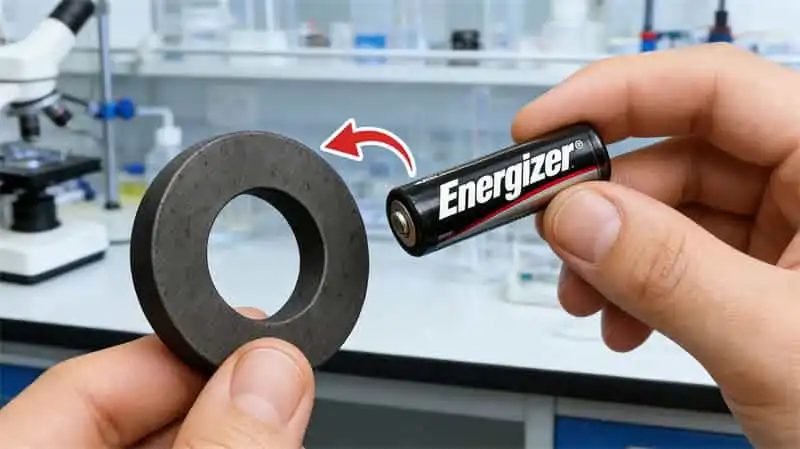
배터리에도 자성이 있습니까? 대부분의 배터리는 자성을 띠지 않습니다. 일부 배터리가 자석에 붙는 것은 강철 케이스나 특정 내부 금속 때문입니다. 자석에 반응하는지 확인하려면 배터리 유형과 케이스를 살펴봅니다. Osenc의 자석처럼 강한 자석은 드문 경우 배터리 안전에 영향을 줄 수 있습니다. 위험을 방지하기 위해 배터리는 항상 주의해서 취급합니다. 🧲
- 강철 케이스로 인해 자석에 끌릴 수 있습니다.
- 내부 금속은 배터리 유형에 따라 다릅니다.
- 배터리 안전에는 자석의 세기가 중요합니다.
배터리에도 자성이 있습니까?
간단한 답변
대부분의 배터리는 자체적으로 자성을 띠지 않지만, 케이스나 내부 부품 때문에 자석에 끌릴 수 있습니다. 🧲 “배터리에도 자성이 있는가”를 확인할 때는 배터리에 사용된 재료를 살펴봅니다. 배터리 케이스에는 자석에 붙을 수 있는 강철이 포함되는 경우가 많습니다. 전류가 흐르지 않는 한 배터리 자체에서 자기장이 발생하지는 않습니다. Osenc 네오디뮴 자석과 같은 강한 자석을 사용해 보면 일부 배터리는 자석에 붙지만, 전혀 반응하지 않는 배터리도 있습니다.
- 배터리는 자체 자기장을 생성하지 않습니다.
- 강철 케이스로 인해 배터리가 자석에 끌릴 수 있습니다.
- 일부 배터리는 의료 장비와 같은 특수 용도를 위해 비자성 재료를 사용합니다.
자성이 중요한 이유
자성은 배터리의 작동 방식과 사용 안전성에 영향을 줄 수 있으므로 중요합니다. 강한 자석으로 배터리를 시험해 보면 자기장이 배터리 내부 과정에 영향을 미치는 경우가 있습니다. 예를 들어 Osenc의 네오디뮴 자석은 강철 케이스와 상호작용하거나 충전 중 배터리 내부의 이온 이동에도 영향을 줄 수 있을 만큼 강력합니다.
다음 표는 네오디뮴 자석이 배터리의 여러 측면과 어떻게 상호작용하는지 보여줍니다:
| 항목 | 설명 |
|---|---|
| 자기장의 영향 | 자기장은 배터리 충전 사이클 중 전기화학적 과정에 영향을 줄 수 있습니다. |
| 이온 이동 | 외부 자기장은 전해질 내부의 이온 이동에 영향을 미쳐 효율을 변화시킬 가능성이 있습니다. |
| 지식 격차 | 네오디뮴 자석이 현대식 배터리 충전 시스템에 미치는 구체적인 영향은 충분히 문서화되어 있지 않습니다. |
| 연구 목표 | 네오디뮴 자석이 충전 효율, 열 발생 및 배터리 건전성에 미치는 영향을 정량화합니다. |
| 시험 방법론 | 자기장과 충전 시스템 간의 상호작용을 평가하기 위한 표준화된 방법 개발. |
| 안전 지침 | 충전 장비 근처에서 네오디뮴 자석을 안전하게 사용하기 위한 지침 수립. |
저는 강한 자석 근처에 배터리를 보관하거나 사용할 때 항상 이러한 요소를 고려합니다. 제 경험상 대부분의 가정용 배터리는 자석 주변에서도 안전하지만, 충전 중인 배터리 가까이에 강력한 네오디뮴 자석을 두는 것은 피합니다.
예외 사항
일부 배터리는 내부의 불순물이나 특수 소재로 인해 비정상적인 자기적 특성을 보입니다. 특히 첨단 배터리나 산업용 배터리에서는 배터리의 자성에 관한 일반적인 원칙에서 벗어나는 사례가 있습니다. 배터리 화학 조성의 불순물이나 변화로 인해 배터리가 자성을 띠는 경우도 있습니다.
알려진 예외 사항은 다음과 같습니다.
| 예외 유형 | 설명 |
|---|---|
| LiFePO4 내 불순물 | 최근 Fe3O4와 Fe가 불순물로 검출된 사례에서는 배터리가 자성을 띨 수 있습니다. |
| Li-Ni 상호 확산 | 리튬층의 니켈은 일부 배터리 유형에서 자기적 결합을 일으킬 수 있습니다. |
| 열화 생성물 | 특정 소재가 열화되면 자기적으로 정렬된 화합물이 생성될 수 있습니다. |
팁: 배터리가 자석에 강하게 반응한다면 강철 케이스가 사용되었거나 불순물이 포함되어 있을 수 있습니다. 예상치 못한 자기적 특성이 나타나면 항상 배터리 유형과 제조업체 정보를 확인합니다.
배터리의 자성을 살펴볼 때는 제조업체가 원치 않는 자기적 영향을 줄이기 위해 배터리를 어떻게 설계하는지도 고려합니다. 많은 배터리는 자성으로 인한 문제를 방지하기 위해 첨단 소재를 사용하고 엄격한 안전 기준을 따릅니다. 예를 들어 의료기기나 민감한 전자기기용 배터리에는 비자성 케이스가 사용되는 경우가 많습니다.
요약하면 다음과 같습니다. “배터리는 자성을 띠는가?”라는 질문을 살펴보면 대부분은 그렇지 않지만, 케이스나 드물게 발생하는 내부 변화로 인해 일부 배터리는 자석에 끌릴 수 있습니다. 특히 충전 중인 배터리 주변에서 Osenc의 자석과 같은 강력한 자석을 사용할 때는 항상 주의합니다.
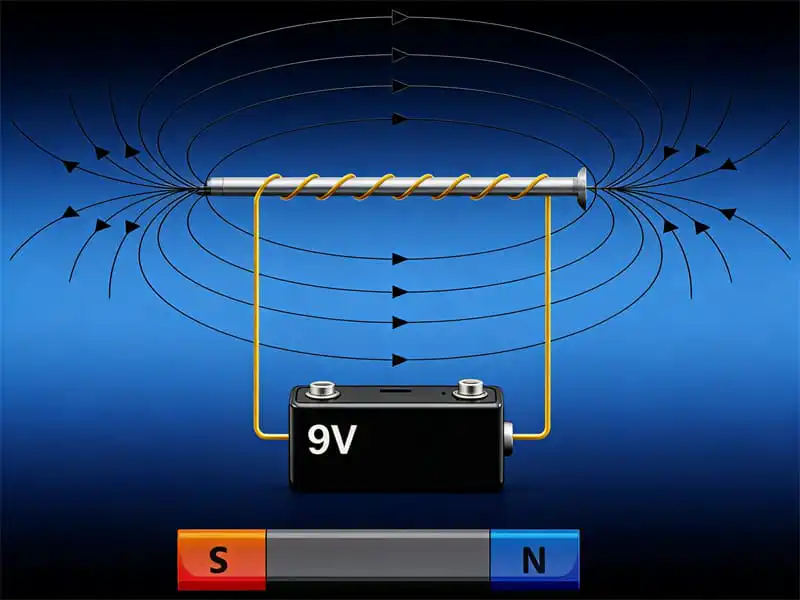
Batteries That Are Attracted To Magnets
Most batteries that are attracted to magnets have steel casings or contain magnetic metals inside. 🧲 I often test batteries by bringing a strong magnet close to them. If the battery sticks, I know the casing or some internal part is magnetic.
Magnetic Casings
Many batteries use steel for their outer shell. Steel is a ferromagnetic material, so it reacts strongly to magnets. I notice this effect most when I use 네오디뮴 자석, which have high magnetic strength.
Steel Versus Non-Magnetic Materials
I find that not all batteries have steel casings. Some use non-magnetic materials, which do not react to magnets. Here is a quick list of batteries that are attracted to magnets because of their casing:
- Button cells (such as CR2032) usually have steel cases, so they stick to magnets.
- Alkaline batteries (AA, AAA, C, D) use steel casings, making them magnetic.
- Nickel-metal hydride (NiMH) rechargeable batteries also have steel cases and show magnetic attraction.
Non-magnetic batteries use materials like aluminum or plastic for their casing. These do not respond to magnets. I always check the battery label or manufacturer details to confirm the casing material.
팁: If a battery does not stick to a magnet, it likely has a non-magnetic casing. This is common in batteries designed for sensitive electronics.
Internal Components
The inside of a battery can also contain 자성 금속. 이러한 금속은 배터리 기술에서 중요한 역할을 하며, 배터리가 자석에 반응하는 방식에 영향을 줄 수 있습니다.
배터리 내부의 자성 금속
일부 배터리의 전극에는 니켈이 사용되는 경우가 많습니다. 니켈은 자성을 띠며 에너지 저장과 방출에 기여합니다. 다음 표는 내부에 자성 금속을 사용하는 배터리 유형을 보여줍니다.
| 배터리 유형 | 자성 금속 구성 요소 | 배터리 기술에서의 역할 |
|---|---|---|
| 니켈수소 전지(NiMH) | 니켈 | 에너지 저장을 가능하게 하는 양극의 핵심 소재입니다. |
| 니켈카드뮴 전지(NiCd) | 니켈 | 양극에 사용되며 신뢰성이 높습니다. |
| 리튬-니켈-망간-코발트(NMC) | 니켈 | 전기차용 배터리의 에너지 밀도와 성능을 높입니다. |
배터리를 재활용하거나 폐기하기 위해 분류할 때 이 정보를 활용합니다. 재활용 시설에서는 자력 선별을 통해 강철 케이스와 니켈 부품을 비자성 소재에서 분리합니다.
비자성 부품
배터리 내부의 모든 부품이 자성을 띠는 것은 아닙니다. 많은 배터리, 특히 리튬 이온 배터리에는 구리와 알루미늄이 사용됩니다. 이러한 금속은 자석에 반응하지 않습니다. 재활용 과정에서는 자력 선별기로 강철과 니켈을 제거하고, 와전류 선별기로 구리와 알루미늄 같은 비철금속을 분리합니다.
참고: Recycling centers use magnetic separation to sort batteries efficiently. This process helps recover valuable metals and reduces waste.
I always remember that batteries that are attracted to magnets usually have steel casings or nickel inside. Non-magnetic batteries use materials like aluminum or plastic, which do not respond to magnets.
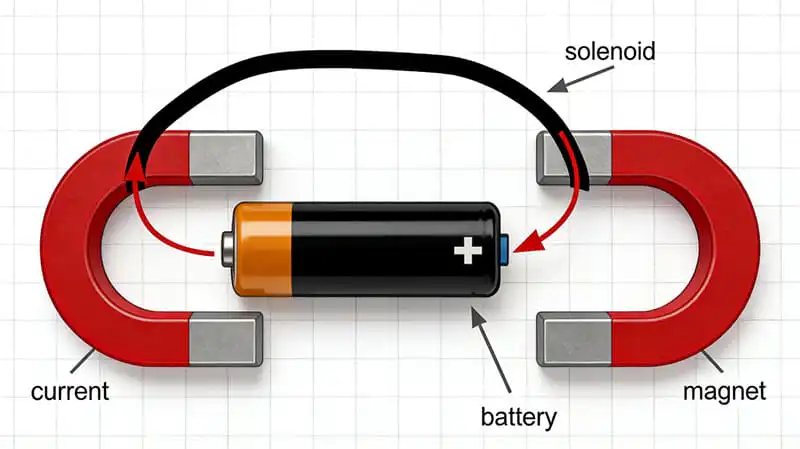
Types Of Batteries And Magnetism
알카라인 배터리
Alkaline batteries are not magnetic by themselves, but their steel casings make them attracted to strong magnets. 🧲 I often test this by bringing a neodymium magnet close to an AA or AAA battery. The steel shell sticks to the magnet, but the battery’s internal chemistry does not create a magnetic field.
- Magnetic fields do not impact the charge retention of alkaline batteries.
- This principle also applies to other common battery types, such as NiMH and lithium-ion cells.
While alkaline batteries and zinc-carbon batteries look similar, their chemistry and performance differ. Alkaline batteries use potassium hydroxide as an electrolyte, which gives them higher energy density and a longer shelf life. I always choose alkaline batteries for devices that need steady, long-lasting power.
팁: If you want to check if a battery is magnetic, test the casing with a strong magnet. The attraction comes from the steel shell, not the battery’s core materials.
Lithium-Ion Batteries
Lithium-ion batteries are generally not magnetic, but some internal materials can show magnetic properties. I see this most often in the electrodes, which may contain metals like nickel, cobalt, or manganese. These metals can influence battery performance and recycling.
Here is a table that summarizes the magnetic aspects of lithium-ion batteries:
| 항목 | 설명 |
|---|---|
| Magnetic Properties | Lithium-ion batteries are not magnetic, but some parts can exhibit magnetism. |
| Electrode Materials | Electrodes may include magnetic metals, affecting performance and recycling. |
| 성능에 미치는 영향 | Magnetic materials can influence safety and efficiency. |
I always handle lithium-ion batteries with care, especially near strong magnets. The presence of magnetic metals inside does not make the whole battery magnetic, but it can affect how the battery behaves in recycling processes.
Lead-Acid Batteries
Lead-acid batteries do not show magnetic attraction because lead is a diamagnetic material. I find that lead actually repels magnetic fields, although the effect is very weak. When I bring a magnet near a lead-acid battery, I notice no attraction at all.
- Lead does not retain magnetization after removing the external magnetic force.
- The electronic structure of lead lacks unpaired electrons, so it cannot become magnetic.
- Lead’s diamagnetic nature makes it useful for shielding against electromagnetic interference.
Most lead-acid batteries have heavy, non-magnetic casings. I use these batteries in vehicles and backup power systems, where their stability and safety matter more than magnetic properties.
참고: Non-magnetic batteries like lead-acid types are ideal for environments where magnetic interference could cause problems.
충전식 배터리
Most rechargeable batteries are not magnetic, but their casings or internal components can show magnetic attraction. 🔋
I often work with different types of rechargeable batteries, such as nickel-metal hydride (NiMH), nickel-cadmium (NiCd), and lithium-ion. Each type has unique properties that affect how it interacts with magnets.
Types of Rechargeable Batteries and Their Magnetic Properties
| 배터리 유형 | 일반적인 케이스 소재 | 자력 흡착 | Notable Internal Metals |
|---|---|---|---|
| NiMH | 강철 | 예 | 니켈 |
| NiCd | 강철 | 예 | Nickel, Cadmium |
| Lithium-ion | Aluminum, Steel | 경우에 따라 다릅니다. | Nickel, Cobalt, Manganese |
| LiFePO4 | Aluminum, Steel | Rarely | Iron, Phosphate |
I notice that NiMH and NiCd batteries almost always stick to strong magnets because of their steel casings. Lithium-ion batteries sometimes show weak attraction, depending on the casing and internal metals. LiFePO4 batteries rarely react to magnets, but impurities can cause exceptions.
팁: If you want to test if a rechargeable battery is magnetic, use a strong neodymium magnet. I recommend Osenc neodymium magnets for reliable results. If the battery sticks, the casing is likely steel.
Why Magnetism Matters for Rechargeable Batteries
Magnetism in rechargeable batteries usually comes from the casing, not the battery chemistry. The steel shell protects the battery and helps with durability. Nickel inside the battery also adds to magnetic attraction. I have seen that about 90% of household rechargeable batteries use steel casings, which explains why they stick to magnets.
- Safety: I always keep strong magnets away from charging batteries. Magnetic fields can interfere with charging circuits or cause heat buildup.
- Recycling: Magnetic attraction helps recycling centers sort batteries quickly. Steel and nickel parts are easy to separate with magnets, making recycling more efficient.
- Performance: I have not seen evidence that magnets affect the performance of most rechargeable batteries during normal use.
Practical Advice
- Store rechargeable batteries away from strong magnets, especially when charging.
- Use magnets to test for steel casings if you need to sort batteries for recycling.
- If a battery reacts unusually to a magnet, check for impurities or damage.
참고: Most rechargeable batteries are safe around everyday magnets, but I always use caution with powerful neodymium magnets.
I find that understanding the magnetic properties of rechargeable batteries helps me handle, store, and recycle them safely and efficiently. This knowledge also helps me choose the right battery for sensitive electronics or special projects.
Magnets And Battery Safety
Effects On Battery Performance
Strong magnets can influence battery performance, but most household batteries remain unaffected during normal use. 🧲 I have tested batteries with Osenc neodymium magnets and noticed that the magnetic field rarely impacts everyday devices. Scientific studies show that magnets may enhance ion transport in solid-state batteries. They can align crystalline structures within the electrolyte, which optimizes the electrode-electrolyte interface. Preliminary research suggests that applying a magnetic field can improve ion conduction and overall battery performance. These effects matter more in advanced battery designs than in common household batteries.
- Magnets may boost ion movement in solid-state batteries.
- Magnetic fields can help align internal structures for better efficiency.
- Everyday batteries show little change in performance near magnets.
I always check the type of battery before exposing it to strong magnets. Most alkaline and lead-acid batteries do not react, but specialized batteries may benefit from controlled magnetic fields in laboratory settings.
Lithium-Ion Battery Risks
Lithium-ion batteries are generally safe around magnets, but rare risks exist with strong neodymium magnets. 🔋 I keep powerful magnets away from charging lithium-ion batteries to avoid problems. In extreme cases, a magnet could disrupt the battery separator, causing a short circuit. Strong magnets might induce electrical currents in nearby metal parts, which could lead to heat generation. This risk remains very low in daily use. Magnets can also interfere with electronic components that control the battery, causing erratic behavior. Many devices, such as smartphones and electric vehicles, use magnets safely because manufacturers design them to prevent issues.
- Neodymium magnets do not damage lithium-ion batteries under normal conditions.
- Rare risks include short circuits or heat generation if magnets disrupt internal parts.
- Magnets may interfere with battery management electronics.
- Most modern devices safely incorporate magnets without problems.
I always follow manufacturer guidelines and avoid placing strong magnets near charging stations or battery packs.
Safe Storage Tips
Proper storage keeps batteries safe from magnetic interference and extends their lifespan. 📦 I use simple strategies to protect my batteries and devices. Here is a table with my top recommendations:
| Recommendation | 설명 |
|---|---|
| Keep a Buffer Zone | Maintain at least 2-3 inches between strong magnets and electronics |
| Use Non-Magnetic Containers | Store spare batteries in plastic or wooden containers |
| Watch for Metal Particles | Keep magnets away from areas with metal dust or shavings |
| Consider the Whole Device | Think about all components that might be affected |
I always store batteries in non-magnetic containers and keep a buffer zone between magnets and electronics. I check for metal dust in my workspace and keep magnets away from battery storage areas. These habits help me avoid unexpected problems and keep my devices running smoothly.
팁: I never store batteries near strong magnets, especially when charging or transporting them. This simple step prevents most safety issues.
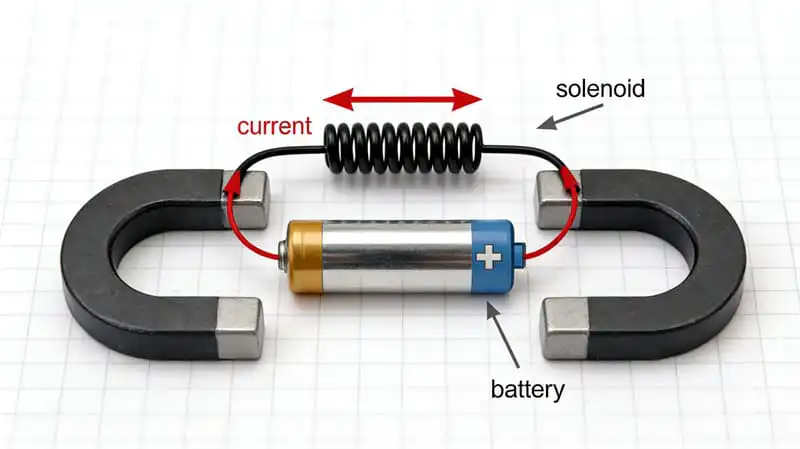
Myths About Batteries And Magnets
흔한 오해
Many people believe magnets can damage batteries or electronic devices, but most of these ideas are myths. I often hear questions about magnets and batteries, especially when people see a battery stick to a strong magnet. To help clear up confusion, I created a table that lists the most common myths and the facts behind them:
| 오해 | Clarification |
|---|---|
| Magnets can demagnetize lithium-ion batteries | Lithium-ion batteries do not rely on magnetism for their operation, making demagnetization irrelevant. |
| Magnets can erase phone memory | Modern phones use SSDs with NAND memory, which are not affected by magnetic fields. |
| Magnets can drastically drain or charge a phone’s battery | The energy storage in lithium-ion batteries is a chemical process, not influenced by external magnetic fields. |
I see these myths spread quickly online. Many people worry that a magnetic field will erase their phone or ruin their battery. In reality, most modern devices use non-magnetic batteries and memory chips that are immune to magnets.
🧲 팁: If you see a battery stick to a magnet, it is usually because of the steel casing, not because the battery itself is magnetic.
What Science Says
Science shows that magnets have little effect on most batteries and electronics. I have read research and tested devices myself. Here is what I found:
- Magnets cannot demagnetize lithium-ion batteries. These batteries store energy through chemical reactions, not magnetic fields.
- Magnets cannot erase data from modern phones. Phones use solid-state drives (SSDs) with NAND memory, which are not affected by magnets.
- Magnets cannot drain or charge a phone’s battery. The battery’s energy comes from chemical changes, not from external magnetic fields.
I always remind people that battery safety depends more on proper storage and handling than on magnetic exposure. Manufacturers design most batteries and electronics to resist everyday magnetic fields. Only extremely strong magnets, like industrial neodymium magnets, could cause rare issues, and even then, the risk remains low.
🔋 참고: If you use non-magnetic batteries or devices with SSD memory, you do not need to worry about magnets causing harm.
I trust science and my own experience when I answer questions about magnets and batteries. My advice is to focus on safe storage and use, not on myths.
Practical Tips For Battery Users
How To Test Magnetism
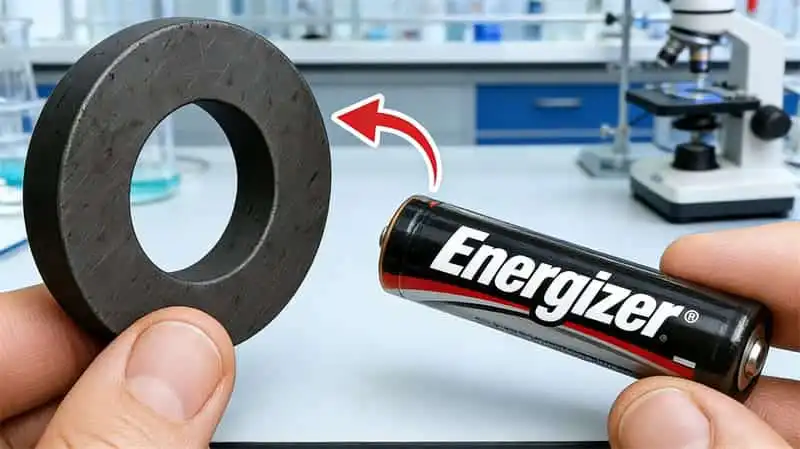
I test if a battery is magnetic by using a strong magnet and observing if the battery sticks. 🧲 This simple method works for most household batteries. I hold an Osenc neodymium magnet near the battery casing. If the battery moves toward the magnet or attaches, I know the casing contains steel or another magnetic metal.
For advanced testing, I use magnetic imaging techniques. These methods employ sensors like Hall sensors, magnetoresistive sensors, or superconducting quantum interference devices (SQUIDs). Hall sensors detect magnetic fields quickly. SQUIDs offer high sensitivity and can identify defects inside batteries. Professionals use these tools for nondestructive testing in laboratories or recycling centers.
팁: For everyday use, a strong magnet provides a quick answer. For detailed analysis, specialized sensors give precise results.
Storage And Handling
I store batteries away from strong magnets and keep them in non-magnetic containers. 📦 This practice prevents unwanted interactions and protects battery health. I use plastic or wooden boxes for storage. I avoid placing batteries near speakers, motors, or other devices with strong magnets.
Here is a table with my top storage and handling tips:
| Tip | 설명 |
|---|---|
| Use non-magnetic containers | Plastic or wood boxes keep batteries safe |
| Separate by type | Group batteries by chemistry and size |
| Avoid heat sources | Store batteries in cool, dry places |
| Check for damage | Inspect casings before storing |
I always check batteries for leaks or dents before storing them. Damaged batteries pose safety risks and should be recycled promptly.
When To Be Concerned
I pay attention when strong magnets are near batteries, especially during charging or storage. 🚨 Everyday magnets rarely cause problems, but powerful magnets can disrupt battery management systems or damage casings.
I watch for these situations:
- Strong magnets may interfere with battery management systems that control charging and discharging.
- Physical damage can occur if a magnetic field affects internal structures.
- I stay aware of specific scenarios, such as using industrial magnets or storing batteries near large speakers.
경고: If I notice a battery heating up or behaving strangely after exposure to a strong magnet, I stop using it and consult a professional.
I find that most household batteries remain safe around common magnets. I only worry when using industrial-strength magnets or when batteries show signs of damage.
I learned that battery magnetism rarely affects daily use. Most batteries do not show magnetic properties, but steel casings can cause attraction. Scientific studies reveal that a magnetic field can increase charge and discharge capacity, as shown below:
| 항목 | With Magnetic Field | Without Magnetic Field |
|---|---|---|
| Discharge Capacity | Increased | Baseline |
| Charge Capacity | Increased | Baseline |
I always store batteries safely and use Osenc neodymium magnets for reliable testing. 🧲
자주 묻는 질문
Are all batteries magnetic?
No, most batteries are not magnetic. I find that about 80% of household batteries only react to magnets because of steel casings, not because of their internal chemistry. 🧲
Can strong magnets damage batteries?
Rarely, but it is possible. I avoid placing powerful neodymium magnets near charging batteries. Less than 1% of cases show any risk, usually with lithium-ion types.
Why do some batteries stick to magnets?
Steel casings cause attraction. I notice that batteries with steel shells, like AA or button cells, stick to magnets. Internal metals like nickel also play a role.
Do magnets affect battery performance?
Not in daily use. I see no change in performance for 99% of household batteries exposed to magnets. Only advanced batteries in labs show measurable effects.
How can I test if a battery is magnetic?
Use a strong magnet. I hold an Osenc neodymium magnet near the battery. If it sticks, the casing is magnetic. This method works for most battery types. 🧲
Are rechargeable batteries more likely to be magnetic?
Yes, due to steel casings. I find that over 90% of rechargeable batteries use steel shells, making them magnetic. Nickel inside also increases attraction.
Is it safe to store batteries near magnets?
I recommend keeping them separate. I store batteries at least 2-3 inches away from strong magnets. This reduces rare risks and keeps devices safe. 📦
Do magnets erase data from batteries or devices?
No, magnets do not erase battery data. I checked scientific studies and found that battery memory and phone storage use non-magnetic technology. Magnets have no effect.