







OSENC manufactures custom Parylene coated neodymium magnets for micro, sensor, electronic and corrosion-sensitive assemblies. We engineer the NdFeB core, coating system, magnetization, finished dimensions and working gap as one finished magnetic component.
OSENC controls Parylene C coating build from 8 to 25 μm with a coating-thickness tolerance of ±2 μm.
Finished Parylene-coated magnets are supplied to standard ±0.10 mm dimensional tolerance, with ±0.05 mm tight tolerance capability.
Validate one engineered sample before committing to volume production, including coating build, finished dimensions, magnetization and assembly fit.
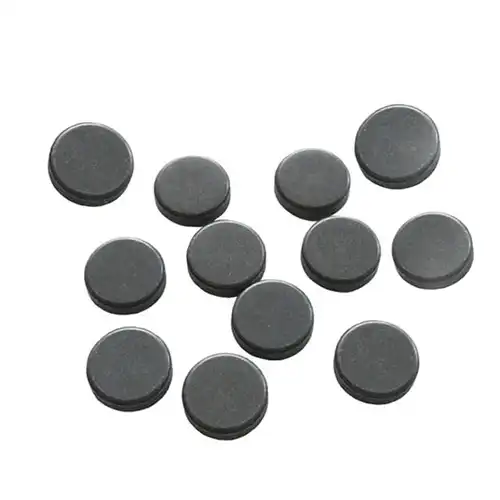
| 사양 | OSENC 대응 역량 |
|---|---|
| Product | Custom Parylene coated neodymium magnets and micro magnets made to drawing |
| 공개된 Parylene 옵션 | Parylene C |
| Layer Systems | Parylene C, NiCuNi + Parylene, and tin + Parylene within OSENC's coating matrix |
| Parylene C 코팅 두께 | 8–25 μm controlled coating range |
| NdFeB 등급 | N35–N55 plus temperature-grade options selected from the finished assembly requirement |
| 착자 | Axial, diametrical, through-thickness and multipole for suitable custom geometries |
| Coating Thickness Tolerance | ±2 μm for Parylene coating thickness |
| 완성 치수 공차 | Standard ±0.10 mm; tight tolerance ±0.05 mm for suitable Parylene-coated geometries |
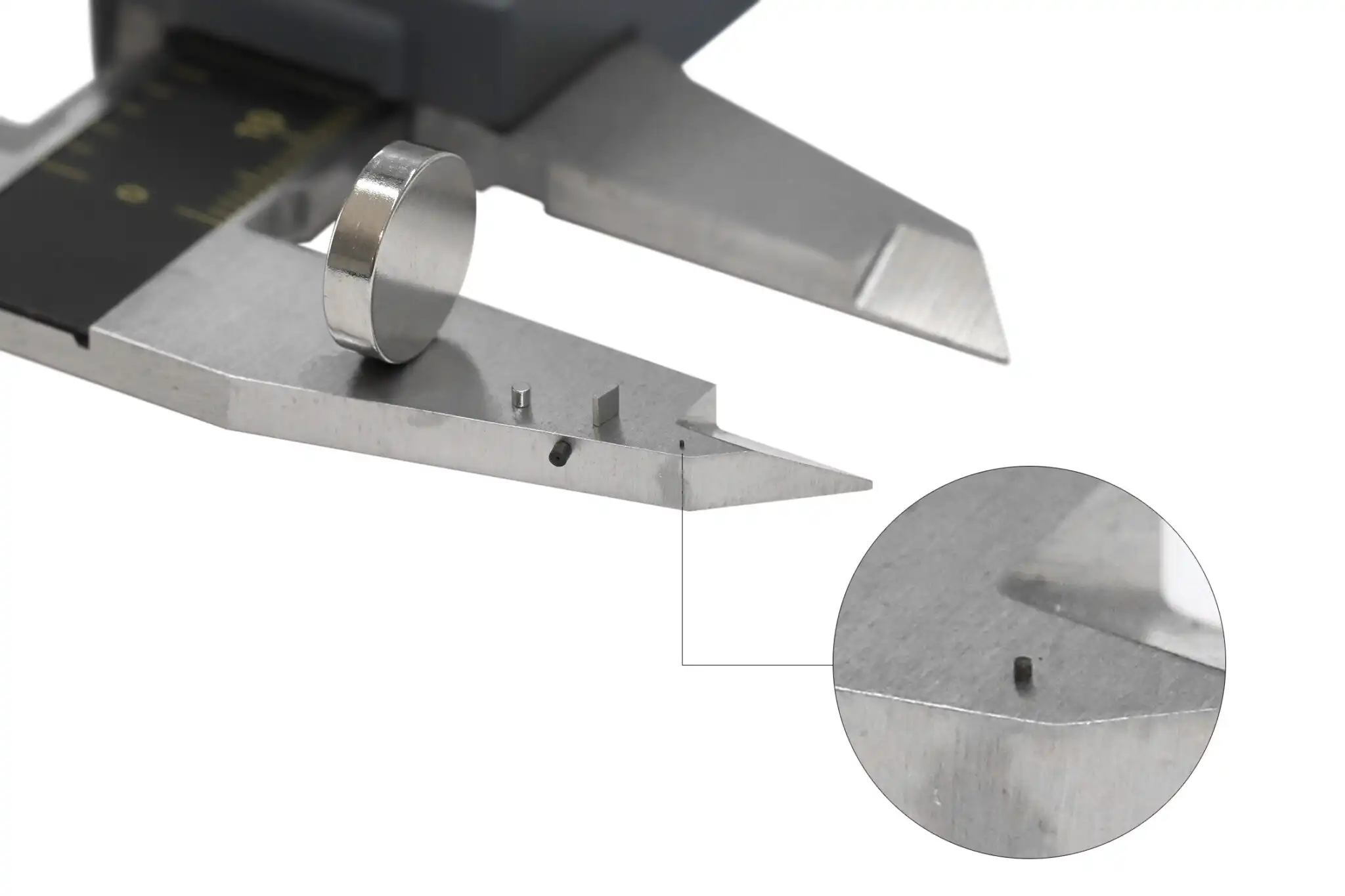
| 최소형 파릴렌 코팅 자석 | Ø1 × 0.5 mm |
| 시제품 수량 | MOQ 1 for custom engineering validation |
| 검사 | Finished dimensions by suitable precision methods including optical-projector or microscope measurement for micro geometry; surface Gauss at a defined position and distance; visual or microscopic coating-integrity inspection; project-defined salt-spray, humidity or immersion validation when required |
| 공급 유형 | Custom to drawing, from prototype validation to production supply |
OSENC controls the magnetic core, Parylene system, final dimensions, magnetization, working gap and inspection plan as one finished component specification. That keeps coating build, assembly fit and magnetic output tied to the same released drawing instead of treating coating as a separate after-process.
OD, ID, thickness, holes and other critical dimensions are inspected after coating against the approved finished-part drawing.
Parylene C is controlled from 8 to 25 μm with ±2 μm coating-thickness tolerance. The build is included in the real sensor distance or magnetic air gap before the sample is released.
Standard finished dimensional tolerance is ±0.10 mm, with ±0.05 mm tight tolerance capability for suitable Parylene-coated parts.
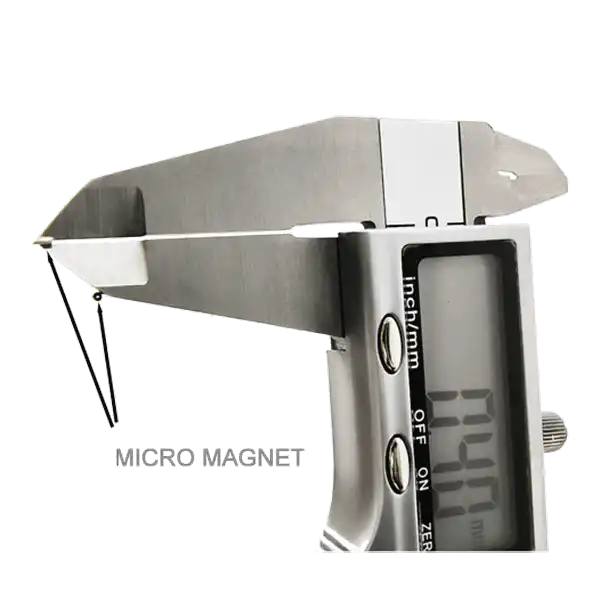
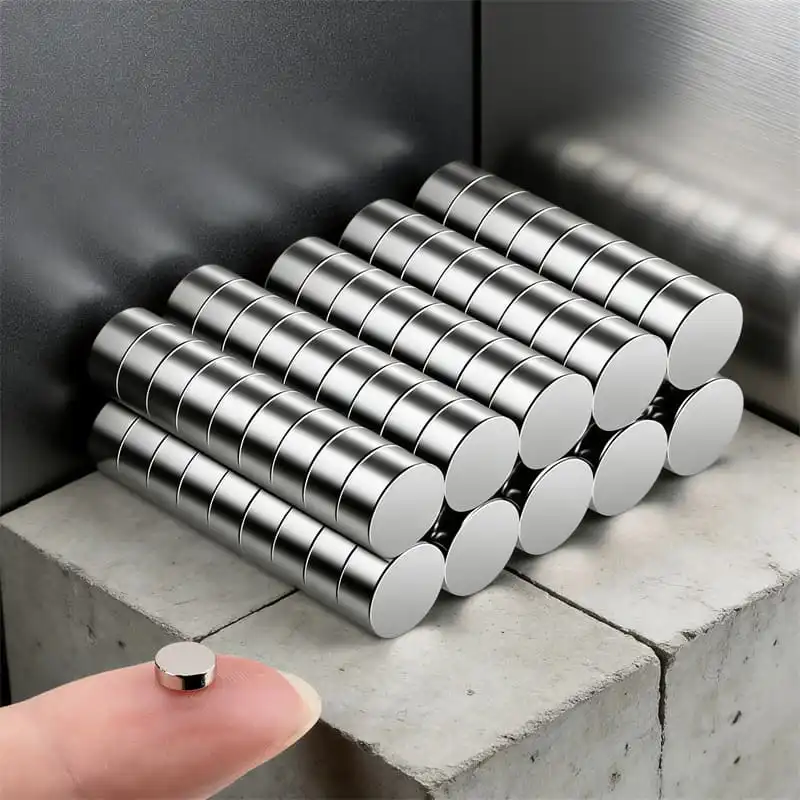
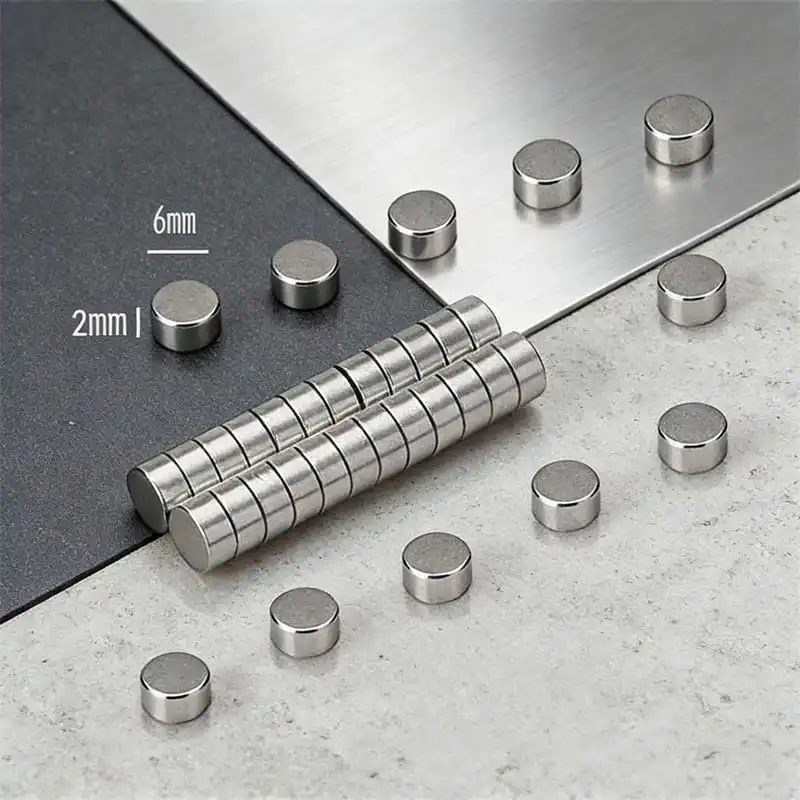
OSENC produces Parylene-coated magnets down to Ø1 × 0.5 mm, with coating build, handling and finished dimensions controlled as one released part specification.
Surface Gauss is checked at a defined position and distance when specified, with stronger batch-consistency methods added when the project requires them.
Engineering validation can start from one custom sample so fit, coating acceptance, magnetization and application performance are locked before volume production.
Have a drawing already?
Send the final coated dimensions, magnetization, working gap, target or maximum Parylene build and application environment. OSENC will quote the finished magnetic component, not just the coating operation.
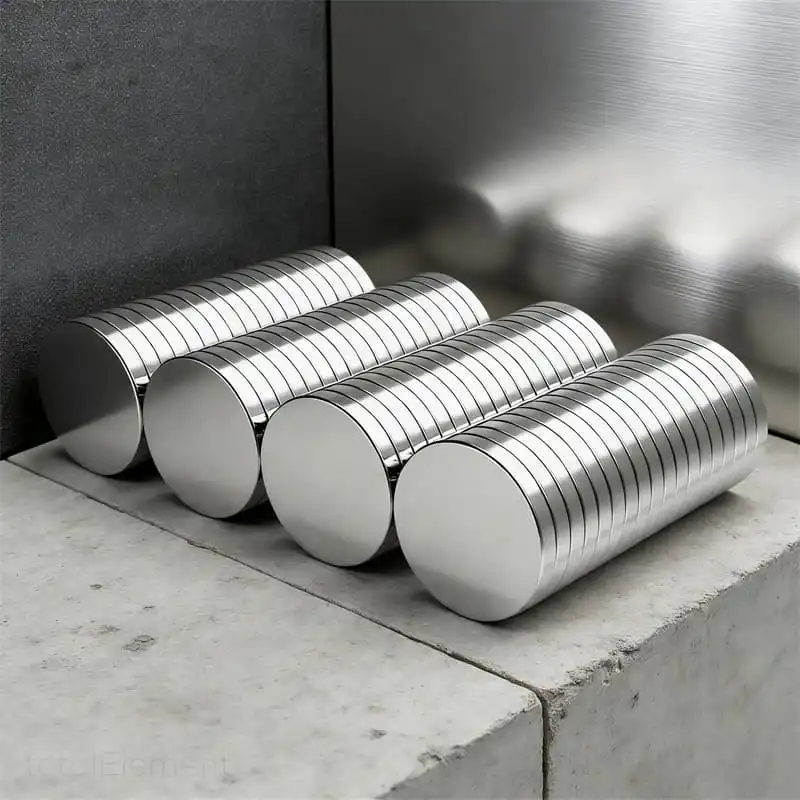
For precision NdFeB assemblies, coating thickness and finished-part tolerance must be controlled separately. OSENC supplies Parylene C in an 8–25 μm coating range with ±2 μm coating-thickness tolerance, then inspects the finished coated magnet to the dimensional tolerance released on the drawing.
| Engineering Parameter | OSENC 대응 역량 | 중요한 이유 |
|---|---|---|
| Parylene C Thickness | 8–25 μm | Sets the protective and insulating coating build added to the NdFeB surface. |
| Coating Thickness Tolerance | ±2 μm | Controls variation in coating build where clearance, electrical isolation and magnetic working gap are sensitive. |
| Standard Finished Tolerance | ±0.10 mm | Applies to the finished coated magnet rather than the bare NdFeB core. |
| Tight Finished Tolerance | ±0.05 mm | Supports assemblies where final coated dimensions drive fit, sensor position or mechanical clearance. |
| 최소형 파릴렌 코팅 자석 | Ø1 × 0.5 mm | Provides a verified production reference for compact sensors, micro actuators and miniature magnetic assemblies. |
Parylene is a vapor-deposited polymer barrier used where coating build, geometry and environmental isolation are tightly constrained. OSENC applies Parylene C at 8–25 μm where a thin conformal layer provides a better engineering fit than a thicker coating system.
The verified Parylene C range keeps added coating build low and controlled when OD, ID, slot width, sensor distance or assembly clearance is tightly constrained.
Vapor deposition reaches edges, recesses and small features without the pooling behavior of many liquid-applied coatings.
Parylene provides an insulating polymer surface where the magnet must be electrically isolated from nearby conductive parts.
A continuous coating layer protects corrosion-sensitive NdFeB when coating integrity is maintained for the intended environment.
OSENC engineers Parylene-coated NdFeB magnets for compact sensors, micro actuators, miniature electronic assemblies, laboratory instruments and precision magnetic components where thin coating build and environmental isolation are critical.
We control coating build, pole direction, sensor position and working distance as one magnetic stack-up.
We match small moving magnets with repeatable dimensions, magnetization and a coating system that preserves usable air gap.
We define cleanliness, coating integrity and documentation from the actual device contact and validation plan.
We control final coated dimensions and magnetic direction where short working distances drive actuation repeatability.
We coordinate final fit, magnetic axis and locating performance for compact precision assemblies.
We specify Parylene where a thin insulating barrier is more valuable than a thicker protective coating.

For direct abrasion, repeated impact, aggressive mechanical contact or applications that require a thicker protective shell, OSENC specifies another coating or encapsulation system instead of forcing Parylene into the wrong application.
OSENC locks the project acceptance criteria before volume production. We inspect the finished coated part against the approved drawing and agreed QC plan so the result corresponds to the component that enters your assembly.
| Control Item | OSENC Control |
|---|---|
| 완성 치수 | OSENC inspects final OD, ID, thickness, holes and critical geometry after coating. Standard finished dimensional tolerance is ±0.10 mm; tight tolerance is ±0.05 mm for suitable Parylene-coated geometries. |
| Magnetic Output | Surface Gauss is measured at a defined position and distance. Batch magnetic consistency is controlled with the agreed magnetic test method when required. |
| Coating Thickness & Integrity | Parylene C is controlled at 8–25 μm with ±2 μm thickness tolerance. Surface acceptance uses visual or microscopic inspection, with coating requirements fixed in the quotation or sample validation plan before production release. |
| Environmental Validation | Salt-spray testing can be arranged for Parylene-coated micro magnets when the project requires humidity, salt exposure or longer-term environmental validation. Humidity or immersion checks are defined from the actual application and QC plan. |
| 포장 | Micro parts can be supplied in trays, tape-and-reel or custom handling fixtures when packaging stability is part of the assembly requirement. |
Inspection reports can include finished-dimensional data, surface Gauss readings, coating inspection notes and packaging confirmation. Test method, sample condition and pass/fail criteria are written into the quotation or sample validation plan before production release.
OSENC selects the coating from the failure mode, dimensional allowance and application environment. Parylene is strongest when thin conformal coverage, micro-scale geometry, electrical isolation and tight assembly clearance matter more than mechanical coating thickness.
| 설계 조건 | OSENC Selection Direction | 이유 |
|---|---|---|
| Very limited OD, ID, slot or sensor clearance | Parylene is a strong fit | An 8–25 μm controlled Parylene C build helps preserve a tight dimensional stack-up and usable working gap. |
| Micro geometry, recesses or small features | Parylene is a strong fit | Vapor deposition provides conformal coverage across exposed geometry without the pooling behavior of many liquid-applied coatings. |
| Electrical isolation at the magnet surface | Parylene is a strong fit | The polymer coating creates an electrically insulating surface while keeping added build low. |
| General metallic finish and normal handling | Review Nickel-family plating | A metallic coating is usually the more direct general-purpose route when ultra-thin conformal polymer coverage is not the main requirement. |
| Thicker polymer protection is acceptable | Review Epoxy | Epoxy is the stronger direction when the design can accept a thicker polymer coating build. |
| Low-friction or release behavior is required | Review PTFE | PTFE is selected around low-friction, release or defined chemical-media requirements. |
| Repeated scraping, abrasion or impact | Parylene is not our first choice | OSENC reviews another coating or encapsulation route instead of forcing a thin conformal film into a mechanically aggressive contact condition. |
| Long chemical immersion | Application review required | Media, concentration, temperature and exposure duration must be defined before the coating system is released. |
For applications that need an intermediate metallic layer, OSENC's coating matrix also includes NiCuNi + Parylene and tin + Parylene systems.
For thicker polymer protection, compare our epoxy coated magnets. For micro-scale geometries, see our micro neodymium magnet capabilities.
Parylene is applied by vapor deposition rather than brushing, spraying or electroplating. The process uses three main stages:
Solid dimer is heated under vacuum to form a vapor.
The dimer vapor passes through a high-temperature zone and is split into reactive monomer.
The monomer enters the coating chamber and polymerizes on exposed surfaces at approximately ambient temperature.
OSENC quotes Parylene coating as part of the complete magnet specification, including final dimensions, coating build, magnetization, working gap and validation requirements.
| RFQ Item | What to Send | OSENC Uses It To |
|---|---|---|
| Magnet Geometry | Drawing with OD/ID, length, thickness, holes, slots, radii and datums | Define finished coated dimensions and clearance |
| Magnetic Requirement | Grade if fixed, magnetization direction, pole pattern, working gap and target field or force condition | Review the finished magnetic circuit |
| Coating Requirement | Parylene type if specified, target build or maximum build, masked areas and surface requirements | Set coating and dimensional controls |
| 환경 조건 | Temperature, humidity, media or chemicals, concentration, immersion or splash condition and exposure duration | Select the coating system and validation plan |
| Assembly Interface | Adhesive, housing material, press fit, sensor position or other contact details | Review surface, fit and handling risk |
| Validation | Inspection method, coating requirement, environmental test, cleanliness or documentation requirement | Lock pass/fail criteria before sample release |
OSENC가 공개한 코팅 범위에는 Parylene C가 포함됩니다. 중간 금속층이 필요한 프로젝트를 위해 당사의 코팅 매트릭스에는 NiCuNi + Parylene 및 주석 + Parylene 시스템도 포함됩니다.
OSENC supplies Parylene C in an 8–25 μm coating-thickness range with ±2 μm coating-thickness tolerance. The released build is selected from the drawing, finished tolerance, electrical or barrier requirement and real working gap.
OSENC uses ±0.10 mm as the standard finished dimensional tolerance and can hold ±0.05 mm tight tolerance for suitable Parylene-coated geometries. These values apply to the finished coated part, not the bare NdFeB core.
The coating is nonmagnetic and adds physical separation between the magnet and the target or sensor. OSENC includes coating build in the real working gap and reviews magnetic output at the application condition rather than relying on bare-core data.
OSENC's verified minimum Parylene-coated magnet reference is Ø1 × 0.5 mm. Final feasibility still depends on geometry, magnetization, coating build, handling and the released finished tolerance.
Yes. OSENC supports MOQ 1 for custom magnet engineering validation. The sample stage is used to lock finished dimensions, coating acceptance, magnetization and application fit before volume production.
No. That temperature belongs to the pyrolysis stage inside the coating equipment. Finished-magnet operating temperature is determined separately by NdFeB grade, geometry, magnetic working point and assembly conditions.
No. Material or coating-supplier biocompatibility documentation does not automatically certify every finished magnet or completed medical device. OSENC works from the documentation and validation requirements defined for the actual project.
Send the drawing, quantity, NdFeB grade if fixed, magnetization direction, final coated dimensions and tolerances, Parylene requirement, operating environment, real working gap, masked areas and validation requirements. OSENC will review the finished magnetic component and can start custom engineering validation from MOQ 1.